
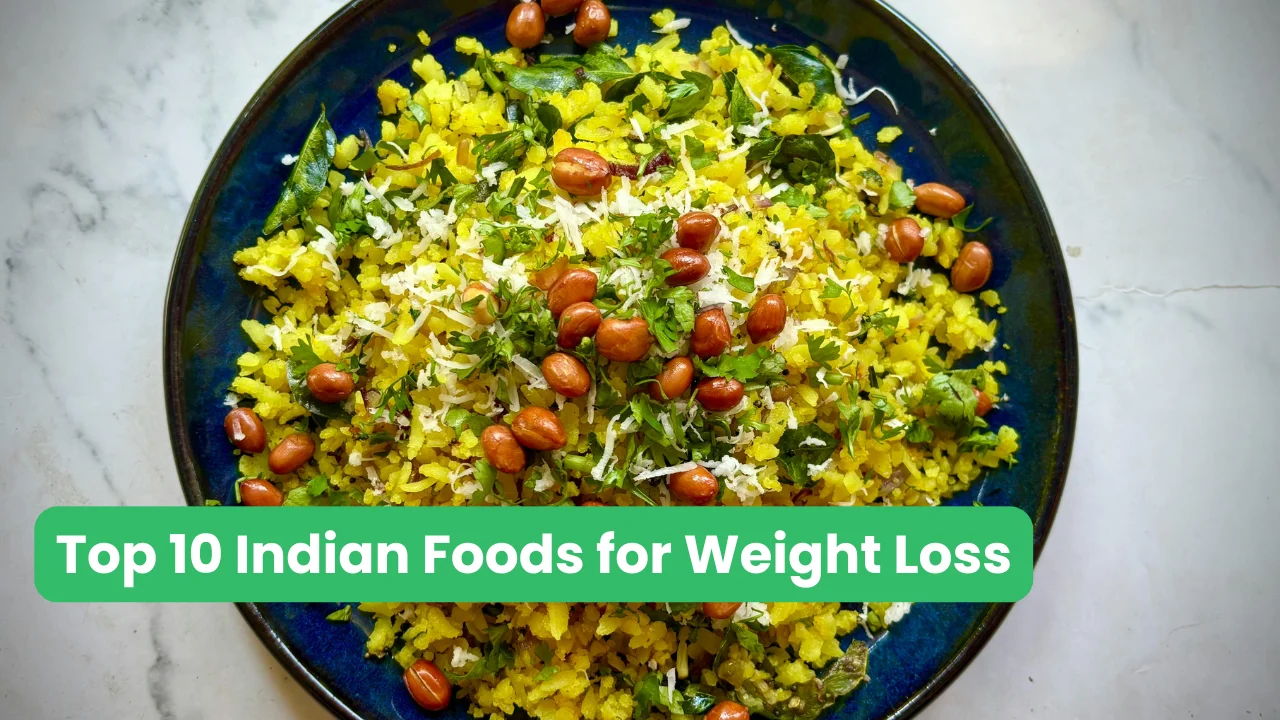
Tired of diets that cut out roti, rice, and your favorite foods? Good news: you don’t need exotic ingredients to lose weight. Your kitchen already has the foods that help drop kilos. Real people on X are swapping junk for simple desi options and seeing results on the scale.
From moong dal sprouts to lauki sabzi, these 10 foods deliver protein, fiber, and flavor while keeping calories low. No gym gimmicks, no imported berries. Just practical, tasty choices for Indian life.
Key Takeaways Indian Foods For Weight Loss
- Indian meals can help with fat loss when smart choices are made.
- High-protein and high-fiber foods reduce cravings and burn calories naturally.
- Simple swaps like dal over rice or dahi at night are effective.
- Daily use of 2–3 of these foods plus movement gives visible results in weeks.
- No extreme diets required just less oil, more veggies, and protein.
Why These Indian Foods Work
Indian meals are naturally rich in spices and vegetables. Adding the right foods helps you feel full, burn fat, and fight cravings. Recent X threads from October–November 2025 show thousands praising “dal instead of rice” and “curd for midnight hunger.” Science supports this: high-fiber, high-protein foods cut 200–300 calories a day without feeling deprived.
Top 10 Indian Foods For Weight Loss
| Rank | Food | Calories (per serving) | Superpower | Easy Way to Eat |
|---|---|---|---|---|
| 1 | Moong Dal | 105 kcal (1 cup cooked) | 24g protein + fiber = no cravings | Sprouts chaat, khichdi with veggies |
| 2 | Oats/Daliya | 150 kcal (1 bowl) | Beta-glucan keeps you full 4+ hours | Veggie upma, masala porridge |
| 3 | Dahi (Yogurt) | 100 kcal (1 cup low-fat) | Probiotics + 10g protein | Cucumber raita, fruit mix |
| 4 | Chana (Chickpeas) | 269 kcal (1 cup cooked) | 19g protein curbs late-night munchies | Boiled snack, light chana masala |
| 5 | Palak & Greens | 23 kcal (1 cup) | Zero-guilt volume + iron boost | Saag, paratha stuffing |
| 6 | Shakarkandi | 86 kcal (medium) | Low GI = steady energy | Roast with chaat masala |
| 7 | Millets (Bajra/Jowar/Ragi) | 120 kcal (1 roti) | Ancient grains beat rice bloat | Ragi dosa, bajra khichdi |
| 8 | Lauki | 14 kcal (1 cup) | 96% water flushes bloating | Soup, light sabzi |
| 9 | Methi Seeds | 18 kcal (1 tsp) | Blood sugar control = less fat storage | Soak overnight, add to tea |
| 10 | Guava | 68 kcal (1 fruit) | 5g fiber sweeter than chips | Eat with skin for max benefit |
1) Moong dal
Moong dal is a humble lentil that packs a powerful punch in nutrition Its high protein content makes it ideal for those looking to stay full and curb cravings for long hours The fiber in moong dal slowly digests which helps maintain steady energy throughout the day
Cooking moong dal is simple and versatile It can be transformed into comforting khichdi or crunchy sprouts chaat The mild flavor easily absorbs spices making it suitable for a variety of meals Its light nature also supports digestion without making you feel heavy.
Regular consumption of moong dal helps maintain muscle health and supports weight management Its gentle impact on blood sugar keeps energy steady even in long workdays Including it in your meals can enhance gut health and overall well being
Benefits and Uses
- High protein for muscle growth
- Rich fiber controls hunger
- Versatile in khichdi sprouts soups and salads
- Gentle on digestion
2 Oats Daliya
Oats and daliya are excellent sources of complex carbohydrates that release energy slowly Beta glucan in oats promotes a feeling of fullness that can last more than four hours making it ideal for busy mornings.
These grains are very adaptable and can be cooked into soft porridge or flavorful upma They absorb spices and vegetables well turning a simple bowl into a nutritious meal Their light nature makes them suitable for all ages and energy levels.
Eating oats and daliya regularly helps improve digestion and supports heart health Their high fiber content helps regulate bowel movements and reduce cholesterol Maintaining a habit of including them in breakfast sets a positive tone for the day.
Benefits and Uses
- Keeps you full for longer periods
- Supports heart and gut health
- Can be used in upma porridge porridge bars and desserts
- Easy to cook and digest
3 Dahi Yogurt
Dahi is a fermented dairy product rich in probiotics that improve gut health and aid digestion Its protein content helps repair tissues and keeps you feeling satiated for longer periods.
It can be paired with fruits for a refreshing snack or mixed with vegetables as raita to complement meals The cooling nature of dahi balances spicy foods and enhances flavor while providing nutritional benefits Its versatility makes it a staple in daily diets.
Regular intake of dahi supports immunity and balances the digestive system The probiotics help maintain a healthy microbiome which is linked to better energy levels and overall wellness Including it daily can reduce the need for heavy snacks
Benefits and Uses
- Supports digestion and gut health
- Provides protein and calcium
- Can be eaten with fruits vegetables or in raita
- Balances body and enhances immunity
4) Chana Chickpeas
Chana is a nutrient dense legume high in protein and fiber that curbs late night cravings Its slow digesting carbohydrates give sustained energy and prevent sudden spikes in hunger.
It can be boiled and eaten as a light snack or cooked into flavorful chana masala The legumes absorb spices well making meals satisfying and wholesome Their versatility makes them suitable for snacks lunches and even salads.
Regular consumption of chana improves heart health and aids in weight management The fiber helps control cholesterol and supports digestive health Making it a part of the daily diet keeps energy levels stable and reduces unnecessary snacking.
Benefits and Uses
- High protein for fullness
- Rich in fiber for digestive health
- Versatile in snacks curries and salads
- Helps control blood sugar and cholesterol
5) Palak and Greens
Palak and leafy greens are low calorie vegetables packed with iron and vitamins Their high water content and fiber add volume to meals without adding extra calories making them zero guilt foods.
They can be cooked into saag or used as stuffing in parathas The mild flavors complement spices and other ingredients and can easily enhance nutrition of any meal Their regular inclusion boosts energy and provides essential micronutrients.
Eating greens supports healthy skin and hair and strengthens immunity The iron and antioxidants help fight fatigue and improve overall body functions Their nutrient density makes them perfect for maintaining daily health
Benefits and Uses
- Rich in iron and vitamins
- Low calorie and filling
- Can be used in saag parathas soups and salads
- Supports immunity and skin health
6) Shakarkandi
Shakarkandi also known as sweet potato is a root vegetable with a low glycemic index which provides steady energy Its natural sweetness makes it a satisfying snack that prevents unnecessary sugar cravings.
It can be roasted and sprinkled with spices or included in chaat The soft texture and earthy flavor are enjoyable while the vegetable is rich in nutrients including fiber and vitamins Its preparation is simple and keeps the nutrients intact.
Regular consumption helps regulate blood sugar and supports digestive health Its fiber content promotes fullness and aids in maintaining healthy weight Including it in meals or snacks is both tasty and beneficial.
Benefits and Uses
- Steady energy release
- Rich in fiber and vitamins
- Can be roasted baked or added to salads and chaat
- Supports digestion and sugar control
7) Millets Bajra Jowar Ragi
Millets are ancient grains with a high nutritional value They are rich in fiber and slow digesting carbohydrates which reduce bloating and keep energy steady throughout the day.
They can be cooked into rotis or used in dosas and khichdi The grains have a nutty flavor that pairs well with vegetables and spices making meals wholesome and satisfying Their inclusion supports long term health and energy management.
Eating millets regularly helps control weight and improve digestive health Their nutrient density supports heart health and provides minerals for overall body function Switching rice with millets is a healthy choice for daily meals.
Benefits and Uses
- High in fiber and minerals
- Reduces bloating and promotes satiety
- Can be used in rotis dosas khichdi and porridges
- Supports heart and digestive health
8) Lauki
Lauki is a watery vegetable with very low calories which helps flush out toxins and reduce bloating Its soft texture and high water content make it easy to digest and light on the stomach.
It can be cooked into soups or light sabzi The subtle taste allows it to blend well with spices and other vegetables making meals both nutritious and gentle on digestion Its regular consumption keeps the body hydrated and supports kidney function.
Eating lauki supports weight management and promotes healthy skin Its high water content aids in cleansing and its fiber helps maintain bowel movements Including it in daily meals is simple and beneficial for overall health.
Benefits and Uses
- Low calorie and hydrating
- Helps reduce bloating
- Can be used in soups sabzi and stews
- Supports digestion and detoxification
9) Methi Seeds
Methi seeds are tiny seeds with big health benefits They support blood sugar control and reduce fat storage making them useful for maintaining a healthy body composition.
They can be soaked overnight and added to tea or cooked with vegetables Their slightly bitter flavor blends well with spices and enhances nutrient absorption Regular consumption helps regulate metabolism and improves digestive efficiency.
Eating methi seeds regularly supports heart health and hormonal balance Their compounds aid in managing appetite and stabilizing energy levels Including them in meals or beverages provides continuous benefits.
Benefits and Uses
- Supports blood sugar control
- Reduces fat storage
- Can be added to tea vegetables and sprouts
- Enhances metabolism and digestion
10) Guava
Guava is a tropical fruit rich in fiber and vitamins Its natural sweetness satisfies cravings while the edible skin provides maximum nutrition The fruit is gentle on the stomach and boosts digestive health.
It can be eaten raw or sliced into fruit salads The fiber content promotes fullness and helps in weight management Its refreshing taste and vitamin content make it an excellent snack for any time of the day.
Regular consumption of guava strengthens immunity and supports heart health The fruit contains antioxidants and essential nutrients which aid overall wellness Including it in the daily diet is simple and highly beneficial
Benefits and Uses:
- Rich in fiber and vitamins
- Supports digestion and immunity
- Can be eaten raw in salads or snacks
- Helps manage weight and cravings
What X Users Are Saying On Indian Foods For Weight Loss
@deva_cutzz: “Moong sprouts every morning = energy + flat tummy. 4K likes!”
Healthshots thread: “Daliya > smoothie bowls for desi gut health.”
@DietDrsayajirao: “Guava beats any imported fruit—fiber + vitamin C.”
@chiragbarjatyaa: “Halve rice, double dal + veggies. 90% who quit fancy diets regain.”
5 Quick Desi Hacks Trending Now On Indian Foods For Weight Loss
- Swap rice for chana at dinner—saves 200 kcal instantly.
- Start with dahi probiotics reduce bloating in 3 days.
- Roast, don’t fry—shakarkandi chaat tastes like street food without guilt.
- Drink methi water in the morning—reduces sweet cravings.
- Walk 8K steps + 2 of these foods per meal = visible change in 2 weeks.
Sample Day Under 1500 kcal (Vegetarian)
- Breakfast: Daliya with spinach + 1 tsp ghee (300 kcal)
- Snack: Guava + 10 roasted chana (150 kcal)
- Lunch: Moong dal, palak sabzi, 1 millet roti (450 kcal)
- Evening: Lauki soup (50 kcal)
- Dinner: Dahi raita, chana salad, ½ shakarkandi (400 kcal)
The Real Secret On Indian Foods For Weight Loss
X is full of stories: “I lost 5 kg eating ghar ka khana.” No keto, no intermittent fasting. Just less oil, more protein, double vegetables. Adding turmeric, jeera, or ginger helps metabolism further.
Doctors from Medanta and Healthline agree: 2–3 of these foods daily plus hydration and movement = sustainable fat loss. For diabetics, low-carb versions (skip rice, load dal) can even reverse numbers, with real remission stories trending.







1 thought on “Top 10 Indian Foods for Weight Loss”