
Grocery shopping can directly impact your diet and overall health. The right strategy helps you eat better, waste less, and save money. But walking into a store full of options without a plan can lead to unhealthy, costly choices. This guide will help you shop smarter, focusing on nutrition, balance, and long-term health.
Key Takeaways
- Plan meals ahead to prevent impulse buying and overeating.
- Focus on nutrient-rich foods like fruits, vegetables, lean proteins, and whole grains.
- Stock long-lasting staples in your pantry and freezer.
- Avoid highly processed foods and misleading “healthy” labels.
- Shop seasonal produce and use a grocery list to save time and money.
- Read nutrition labels to make informed, health-friendly choices.
Start with a Plan
Healthy shopping begins before you enter the store. Decide what meals you’ll cook for the week. Start small plan two or three meals using similar ingredients. This saves money and reduces food waste.
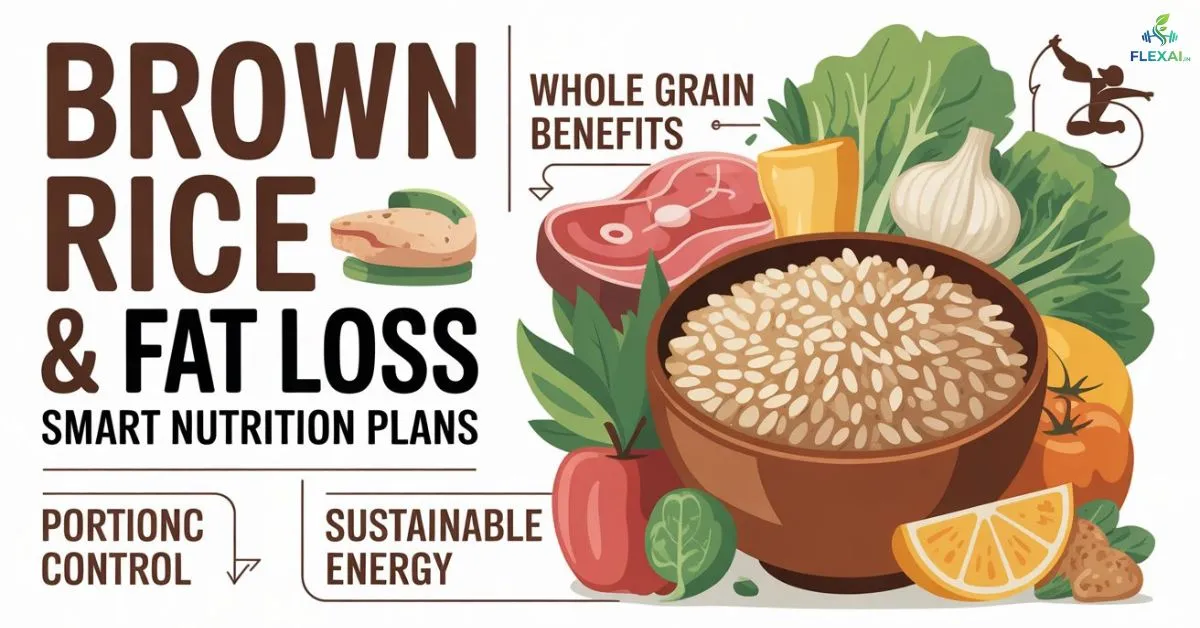
Example: Buy brown rice, chicken, and vegetables. Use them for a stir-fry one day and a rice bowl the next. Write down exact quantities so you only buy what you need. A well-prepared list keeps you focused and prevents unnecessary spending.
Build a Healthy Grocery List
A good grocery list is the foundation of healthy eating. Organize it by category to make your trip faster and easier. Base your selections on whole, nutrient-dense foods instead of ultra-processed products.
Smart Grocery List for a Balanced Diet
- Fruits: Apples, oranges, bananas, berries, avocados
- Vegetables: Spinach, broccoli, bell peppers, zucchini, carrots
- Proteins: Eggs, skinless chicken, tofu, lentils, canned salmon
- Whole Grains: Brown rice, oats, quinoa, whole wheat pasta
- Dairy & Alternatives: Greek yogurt, low-fat milk, almond milk
- Healthy Fats: Olive oil, nuts, seeds, natural peanut butter
- Pantry Staples: Canned beans, chickpeas, tomatoes, herbs, spices
- Frozen Foods: Mixed berries, kale, green peas, fish fillets
Keep snacks simple and nutritious like nuts, dark chocolate, or hummus with veggies.
Meal Planning for Health Goals
Meal planning helps you stay on track with your diet. It reduces stress, cuts waste, and improves your nutrient balance.
Simple Steps:
- Choose recipes that share ingredients.
- Cook in batches to save time during the week.
- Store leftovers in labeled containers.
- Use fresh produce early in the week and frozen options later.
Planning even a few meals ahead helps you stick to your health goals without relying on fast food or processed meals.
Stock Essentials for Quick, Healthy Meals
Keep your kitchen ready for healthy cooking. Stock long-lasting items so you can prepare nutritious meals anytime.
Pantry Staples: Brown rice, oats, lentils, beans, olive oil, vinegar, whole-grain pasta, canned tuna.
Freezer Staples: Frozen vegetables, fruits, lean meats, whole-grain bread, and veggie burgers.
Check your inventory before shopping. Refill only what’s needed. This prevents waste and helps maintain a balanced diet.
How to Read Labels the Right Way
Food labels can be tricky. Focus on ingredients and nutrition, not marketing claims.
- Choose foods with short ingredient lists and recognizable names.
- Avoid items high in added sugars, refined flour, or processed oils.
- Check the serving size to ensure portion accuracy.
- Don’t assume “organic,” “natural,” or “low-fat” means healthy read the fine print.
If a label looks too complicated, it usually isn’t the best option.
Save Money While Eating Healthy
Healthy eating doesn’t have to be costly. Small habits can stretch your budget:
- Buy seasonal produce — it’s cheaper and fresher.
- Choose store brands for pantry staples.
- Buy grains and legumes in bulk if you use them often.
- Skip pre-cut or ready-made foods — they’re more expensive.
- Try plant-based meals a few times a week for affordable protein.
What to Avoid While Shopping
Avoid aisles with ultra-processed snacks, sugary drinks, and refined foods. Stay alert for marketing words that create a “health halo.” Limit:
- Sugary cereals and drinks
- Processed meats
- Packaged snacks with long ingredient lists
- Refined carbs and fried foods
Instead, fill your cart with foods that provide vitamins, fiber, and healthy fats to support your diet and energy levels.
Final Takeaway
Smart grocery shopping is the foundation of a healthy diet. When you plan meals, build a clear list, and focus on whole foods, you create a routine that saves time, money, and effort. Stock essentials, buy smart, and shop with purpose your body and wallet will both benefit.