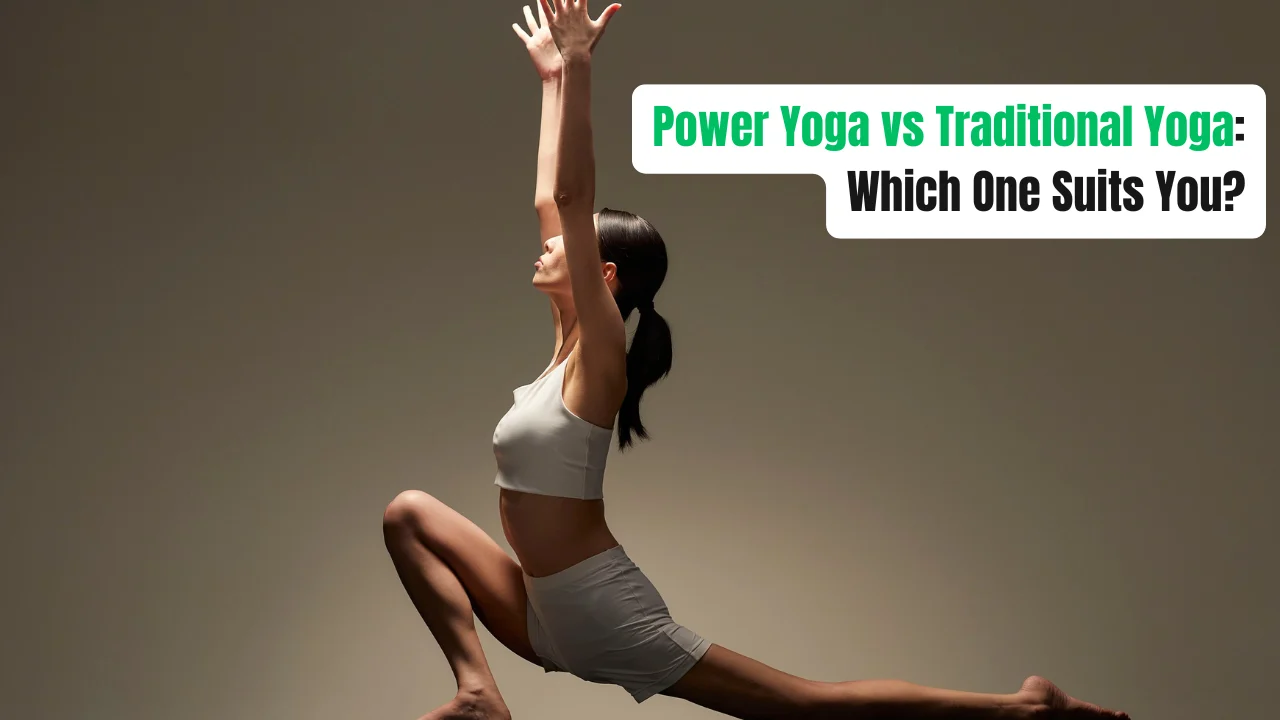
Yoga is one of the oldest wellness practices in the world. It supports both the mind and the body. Many people now choose yoga for fitness and stress control. Over time, power yoga has become popular because it offers a fast and intense workout. This makes many wonder which option is better for them. Both styles have clear benefits, but the choice depends on your goals and comfort level.
Key Takeaways
- Power yoga is faster and focuses on strength
- Traditional yoga supports mental calm, flexibility and balance
- Power yoga builds endurance and muscle
- Traditional yoga supports recovery, pain relief and stability
- Power yoga suits people who want an intense routine
- Traditional yoga suits those who want slow and mindful sessions
What Traditional Yoga Means
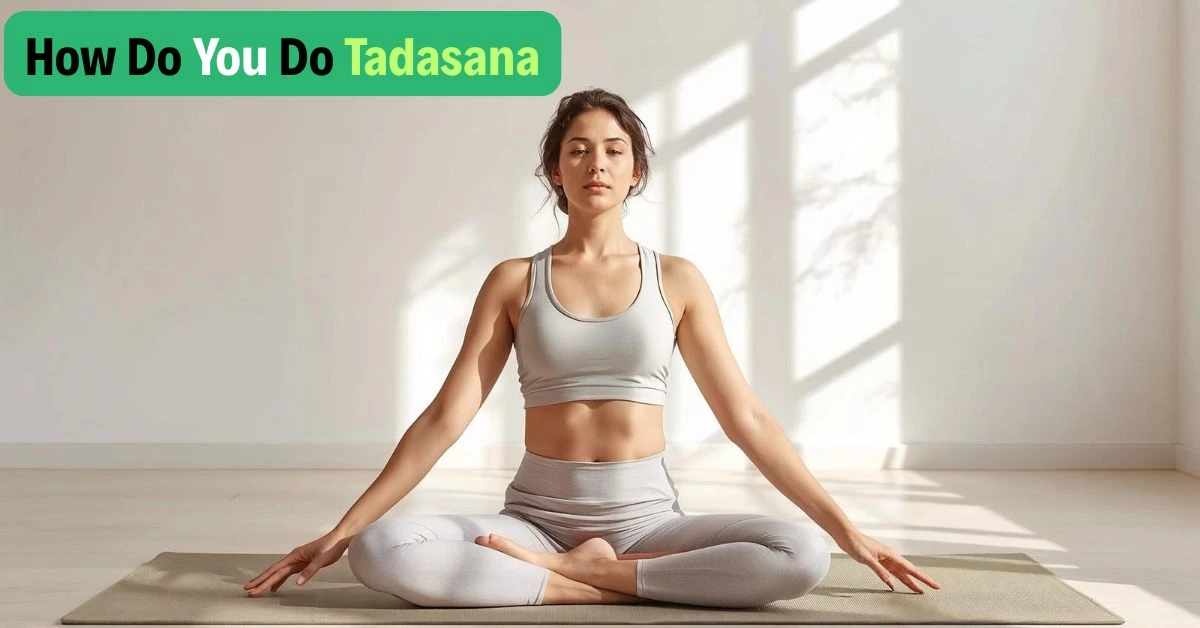
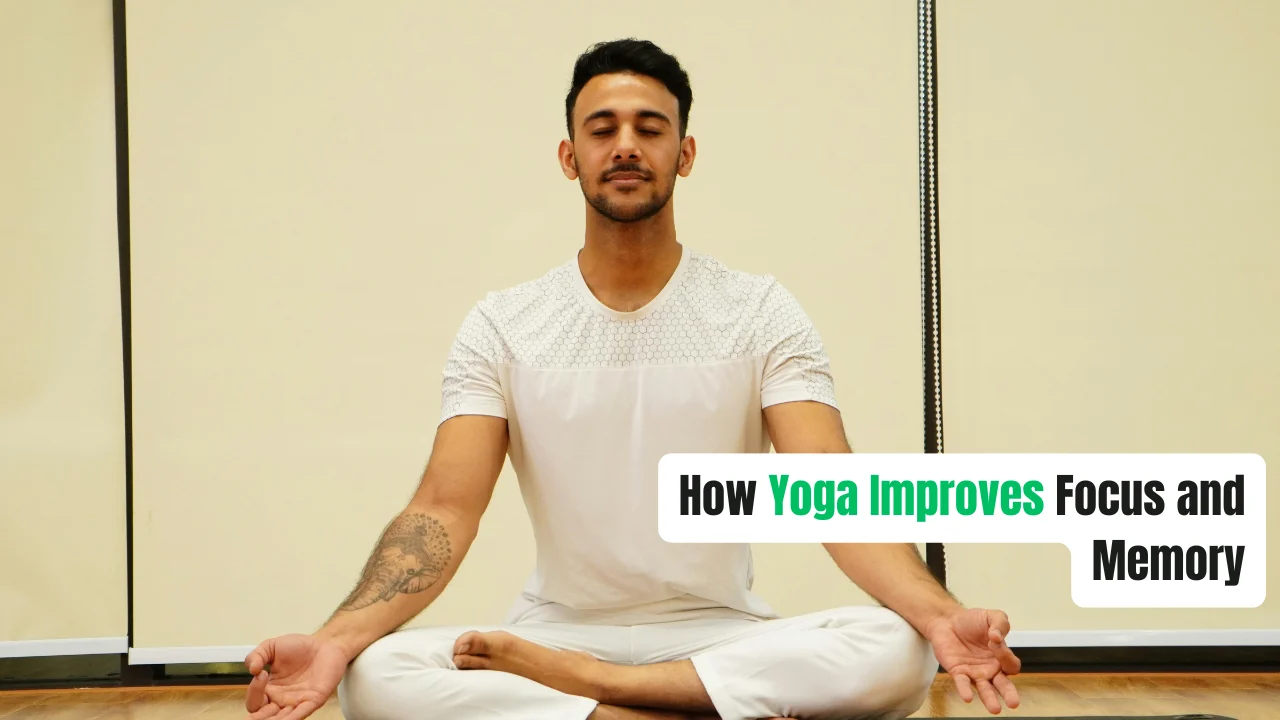
Traditional yoga includes physical poses, breathing and mental focus. It aims to create balance between the body and the mind. It is slower, gentle and suitable for most people. The main goal is stability. Regular practice improves strength, flexibility and emotional balance. It also supports better sleep and reduces stress.
Traditional yoga uses fixed poses. Each posture is held for a stable period. This helps the person understand their body better and move with control. It is ideal for people who want a peaceful routine without pushing intensity.
What Power Yoga Means
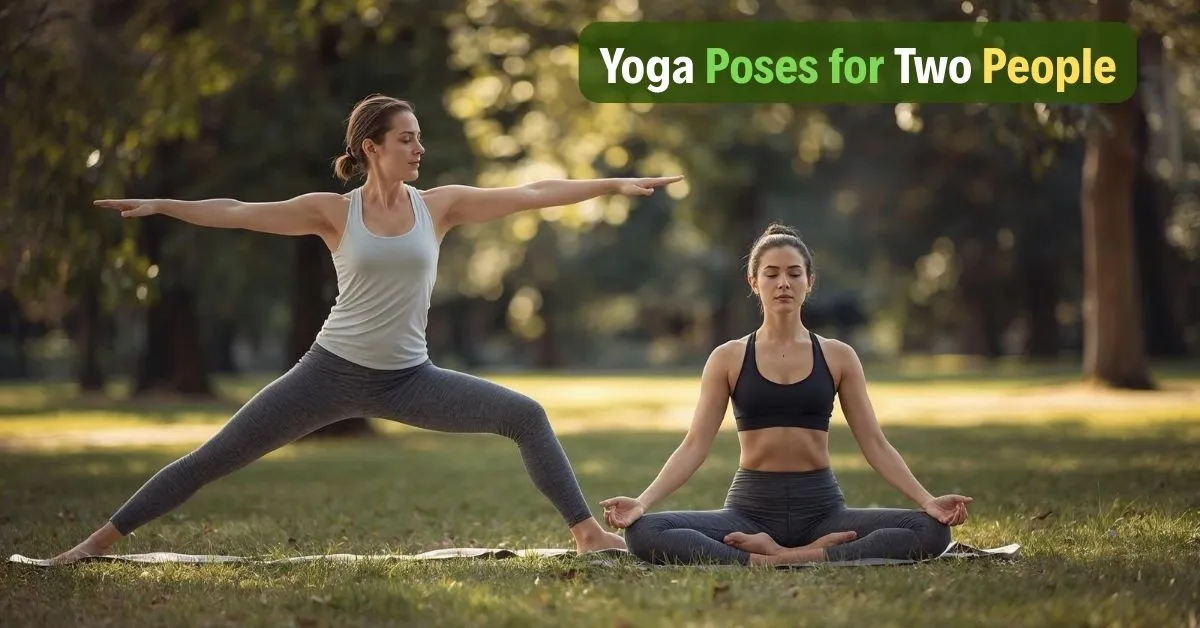
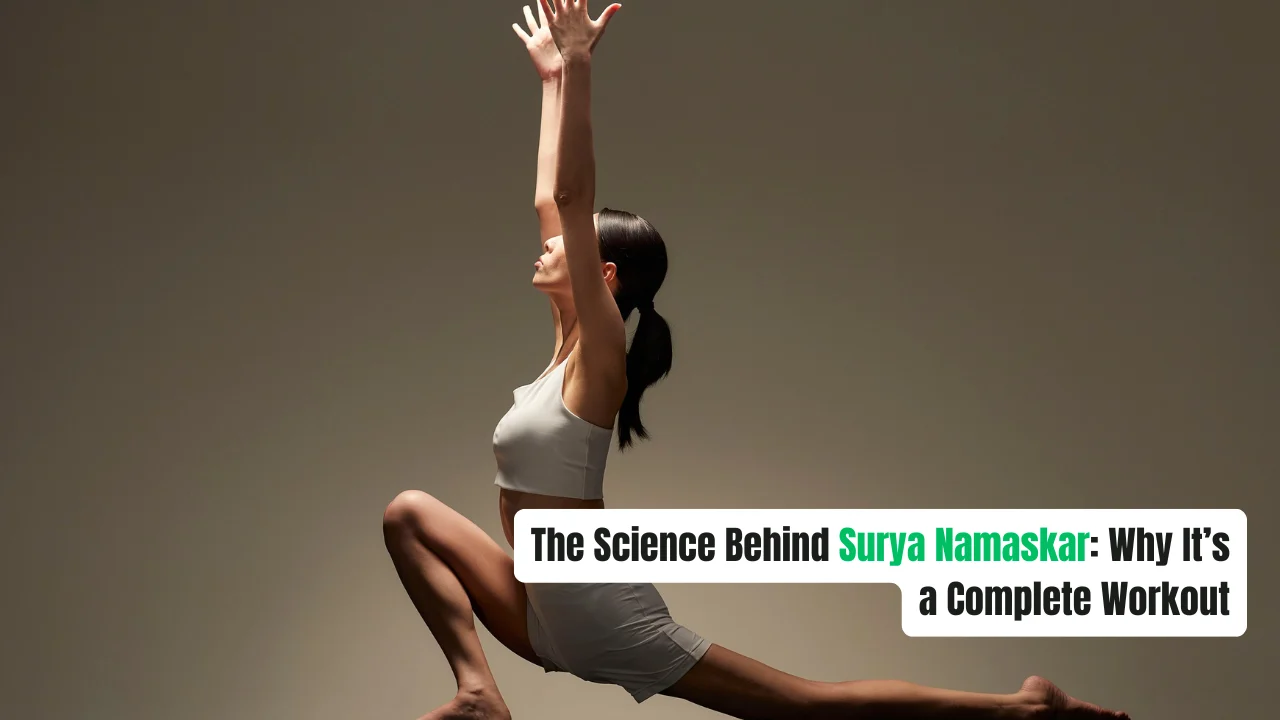
Power yoga is a dynamic and high energy form of yoga. It focuses on movement and muscle strength. It uses a flow where one pose connects to the next. It feels more like a workout than a slow routine. Many people choose power yoga when they prefer a gym style session through yoga.
Power yoga builds endurance. It improves heart rate, supports weight control and enhances lung capacity. It does not include long meditation or deep breathing. It is designed for people who enjoy activity and want quicker physical results.
Listicle: Main Physical Differences
- Power yoga uses fast paced flowing sequences
- Traditional yoga uses slow controlled postures
- Power yoga focuses on strength and stamina
- Traditional yoga focuses on balance and calm
- Power yoga suits high energy days
Muscles Used in Both Styles
Both styles work the major muscle groups. They differ in how long and how strongly each muscle is used.
Quadriceps
Power yoga uses the quads in strong standing poses like warrior and chair. Traditional yoga also engages them but at a slower pace.
Hamstrings
Power yoga stretches and strengthens the hamstrings during fast transitions and planks. Traditional yoga stretches them in forward bends and seated poses.
Core
Power yoga engages the core in plank flows and balance work. Traditional yoga uses the core in poses like boat, cobra and tree.
Glutes
Both styles work the glutes in warrior, bridge and balance poses. Power yoga activates them more due to faster movements.
Upper Body
Power yoga challenges the shoulders and back in plank, crow and downward dog. Traditional yoga works the same muscles but in a steady and controlled manner.
Benefits of Power Yoga
Power yoga gives many physical improvements:
- Boosts immunity by improving metabolism
- Helps sleep better due to intense movement
- Builds muscle strength without weights
- Improves lung capacity through active flows
- Enhances heart health and blood circulation
Benefits of Traditional Yoga
Traditional yoga supports the full mind body connection:
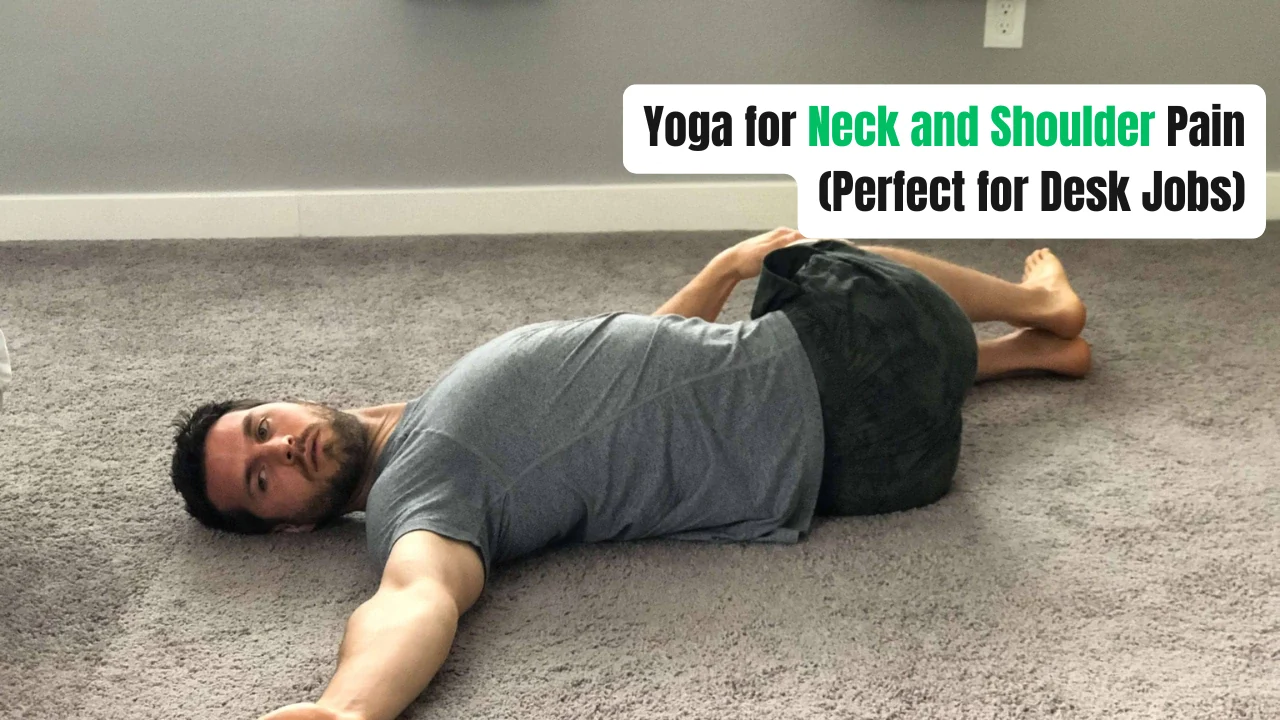
- Helps relieve back and joint pain
- Supports better heart health by reducing stress
- Improves emotional balance and mindfulness
- Boosts positive energy and stable mood
- Improves flexibility and natural posture
Which One Suits You Better?
Power yoga suits you when:
- You want to build strength without weights
- You want higher endurance
- You want an active routine with fast movements
- You prefer a gym style workout through yoga
Traditional yoga suits you when:
- You want slow sessions with low physical pressure
- You want to manage stress or blood pressure
- You want to improve both physical and mental health
- You want peaceful routines with better focus
Can You Combine Both?
Yes, both can be used together. Many people use power yoga for strength and traditional yoga for calm. Power yoga works well for warm ups or active days. Traditional yoga works well for cool downs and recovery. Holding each pose for 45 to 60 seconds is ideal. Even a ten minute mix can support both strength and relaxation.
Who Should Avoid Certain Styles?
Power yoga is not ideal for:
- People with uncontrolled high blood pressure
- Those with recent surgeries or severe joint issues
- Pregnant women unless guided by a trained expert
- Beginners without supervision
- People with fatigue or extreme stress
Traditional yoga is safe for most people, but those with chronic issues should start with guidance from a qualified instructor.
Myths and Facts
Many people think power yoga is painful. The truth is it becomes painful only when overdone. Power yoga is safe when done at a comfortable pace. Another myth is that power yoga is only for young people. It is suitable for all ages with proper modifications.
Traditional yoga also faces myths. Many think yoga is too slow or only for flexible people. Traditional yoga is for every body type and can be adjusted. You do not need to sweat heavily to gain benefits.
Bottom Line
Power yoga and traditional yoga both offer strong benefits. Power yoga builds strength and stamina. Traditional yoga builds balance, calm and mental stability. The best choice depends on what your body needs. Many people find the ideal routine by combining both styles in their weekly plan.