Yoga is known today for improving flexibility and posture. But the practice has a much deeper meaning that goes beyond stretching. Yoga has spiritual roots that started thousands of years ago. It is a path that helps people understand themselves, calm the mind and connect with something greater. The spiritual side of yoga is not new. It has always been the heart of the practice.
Key Takeaways
- Yoga began in ancient India as a spiritual system
- The goal of yoga is union between body, mind and spirit
- Classic texts describe meditation, breath work and moral values
- The eight limbs of yoga guide spiritual growth
- Modern yoga focuses on poses, but the deeper side is still present
- Simple daily practices create strong inner awareness
Ancient Roots of Yoga
To understand the spiritual side, we look back to the beginning. Yoga began in ancient India more than 5,000 years ago. Evidence of early yoga appears in the Indus Valley Civilization. At that time, yoga was not a physical workout. It was a complete way of living. People used it to get closer to the divine and understand higher states of consciousness.
The earliest known reference to yoga is found in the Rig Veda. It is one of India’s oldest sacred texts. It includes hymns and mantras used to connect with higher power. As centuries passed, the focus shifted from rituals to inner practices. Texts like the Upanishads placed attention on meditation, self-discipline and understanding the nature of the mind. This shift formed the foundation of the spiritual yoga we know today.
Yoga as a Spiritual Path
Yoga means union. It aims to bring the body, mind and spirit together. The purpose is not only physical health. It is self-realization. This is a state where you understand your true nature and feel connected with the universe. The journey is long, but every step brings more clarity and inner peace.
There are different spiritual paths within yoga. Each has a unique focus, but all lead toward inner growth.
Path of Action
Karma Yoga is the path of selfless action. It teaches people to serve others without expecting anything in return. This helps dissolve the ego and purifies the mind.
Path of Devotion
Bhakti Yoga is based on devotion and love. A person connects with a higher power through prayer, chanting or rituals. This builds a deep emotional bond with the divine.
Path of Knowledge
Jnana Yoga focuses on wisdom. It involves studying scriptures and reflecting on the nature of reality. The goal is to understand the mind and the world through deep insight.
Path of Meditation
Raja Yoga works through meditation and self-control. It includes breath work, focus and strict discipline. This path aims to calm the mind and lead to spiritual awakening.
The Eight Limbs of Yoga
The physical poses people practice today are only one part of yoga. Traditional yoga includes a complete eight-limb system described in the Yoga Sutras. These limbs guide moral values, self-discipline, concentration and meditation.
- Yama: ethical rules like truth and non-violence
- Niyama: personal practices like purity and contentment
- Asana: physical poses used to prepare the body for meditation
- Pranayama: control of breath to calm the mind
- Pratyahara: turning inward and avoiding distractions
- Dharana: building focus
- Dhyana: deep meditation
- Samadhi: the state of complete peace and unity
These limbs work together and form the full spiritual framework of yoga.
Listicle: Simple Ways to Bring Spirituality Into Yoga
- Practice breath awareness
- Sit in quiet meditation daily
- Use mantras to build inner focus
- Study classic yoga teachings
- Stay mindful throughout the day
The Role of Meditation
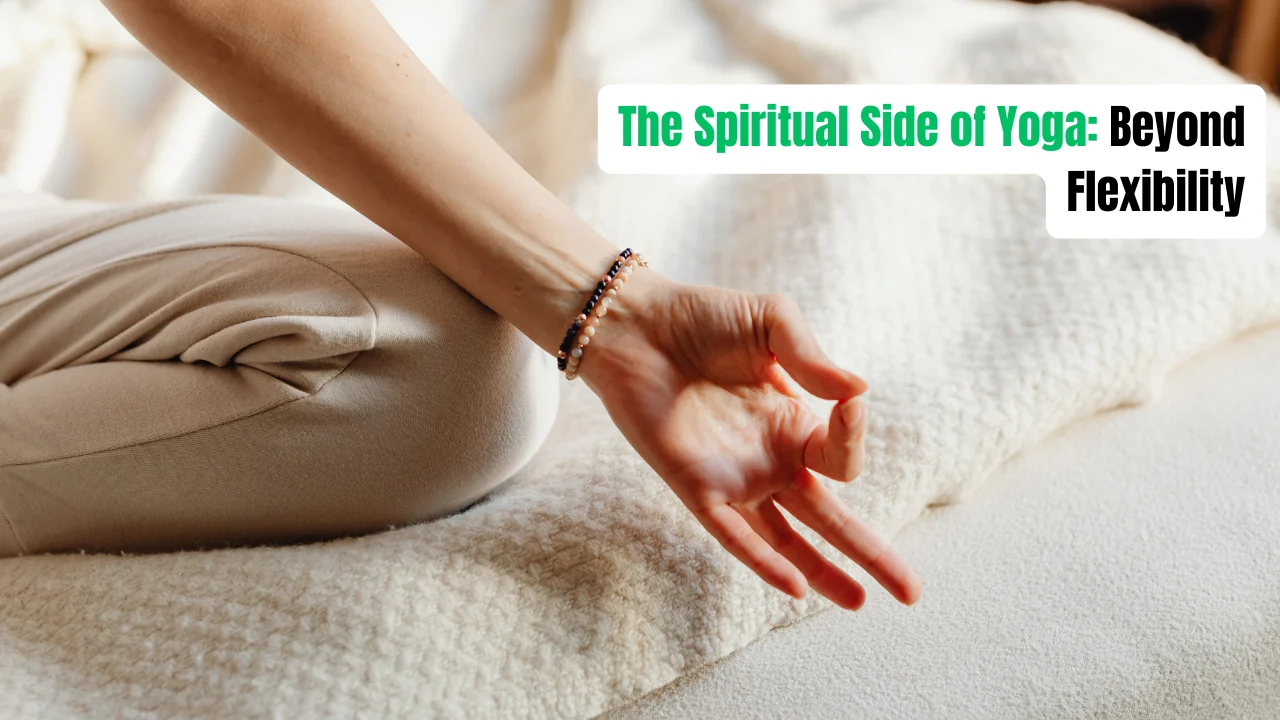
Meditation is central to the spiritual side of yoga. Poses strengthen the body. Meditation strengthens the inner self. It helps calm thoughts and opens the door to higher awareness. Many forms of meditation exist, but the purpose remains the same. The goal is to quiet the mind and recognize the deeper self behind all thoughts.
Breath work supports meditation. Slow and steady breathing purifies the body and settles the mind. This is why ancient yoga combined both practices.
Modern Yoga and Its Shift
Today, yoga has become global. Many people join classes to improve fitness or reduce stress. Modern yoga places strong focus on physical postures. But in ancient times, meditation and inner discipline were the main parts. Even if today’s classes are more physical, the deeper spiritual meaning is still accessible.
You do not need to leave modern yoga behind. You only need to explore deeper elements like breath control, focus and awareness. These simple additions help turn a physical routine into a path of inner transformation.
How to Explore the Spiritual Side
You can experience spiritual yoga even with a busy routine. Start with small steps.
- Meditate for a few minutes daily
- Bring awareness into simple actions like eating and walking
- Read spiritual texts like the Yoga Sutras or the Bhagavad Gita
- Practice chanting or breath work
- Learn from teachers who share the deeper meaning of yoga
These habits build calmness and help you see yoga as a way of life.
Bottom Line
Yoga is more than stretching. It is a spiritual science that connects the body, mind and spirit. It started thousands of years ago as a path to self-realization. Modern practice often focuses on flexibility, but the deeper purpose remains the same. When you explore the spiritual side, yoga becomes a tool for inner peace, clarity and growth. It is a journey, not a final goal. The more you explore, the more you discover.