Living in a small home teaches you to appreciate quiet moments. You learn to pause, breathe, and notice how light falls across a wall or how a chair fits just right in a corner. Yoga can bring that same sense of calm into daily life, even when space is limited. Many readers ask How Do You Do Tadasana because it looks simple yet feels deeply grounding. This pose asks for very little room, just like mindful living in a compact space. In many ways, How Do You Do Tadasana is about finding steadiness where you are, using what you have, and creating balance through small intentional movements.
Table of Contents
How Do You Do Tadasana in a calm home setting
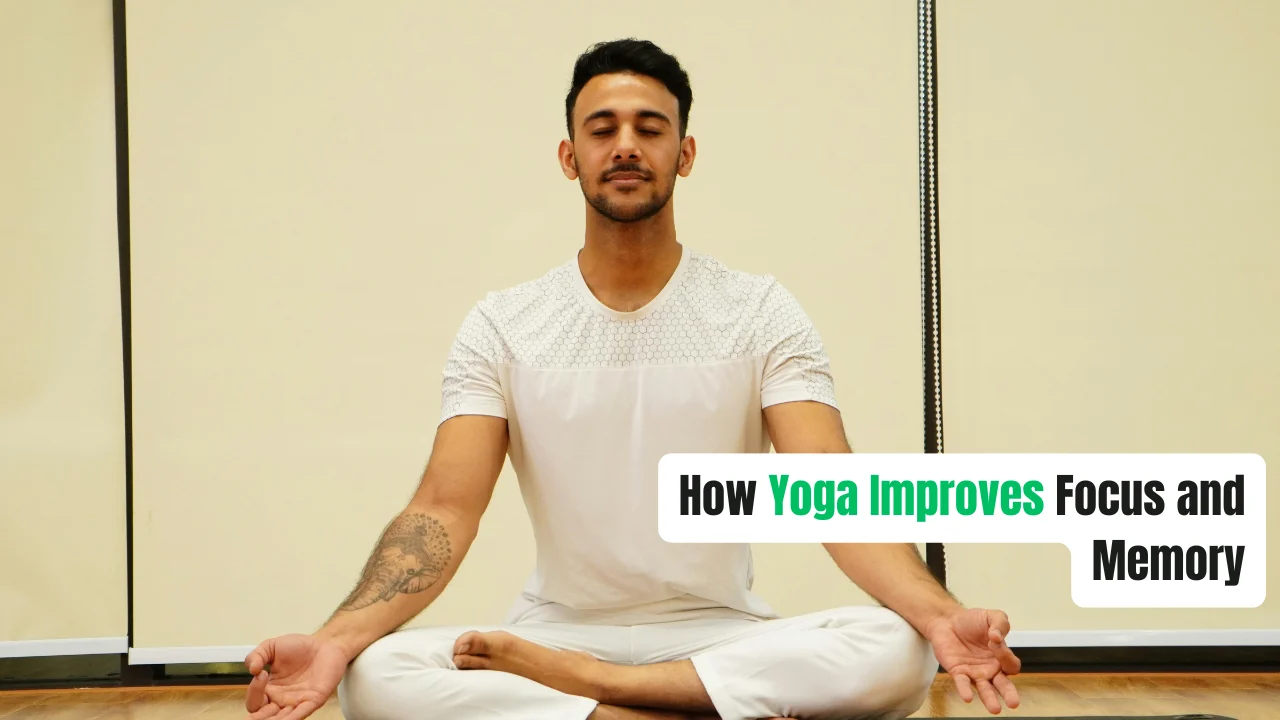
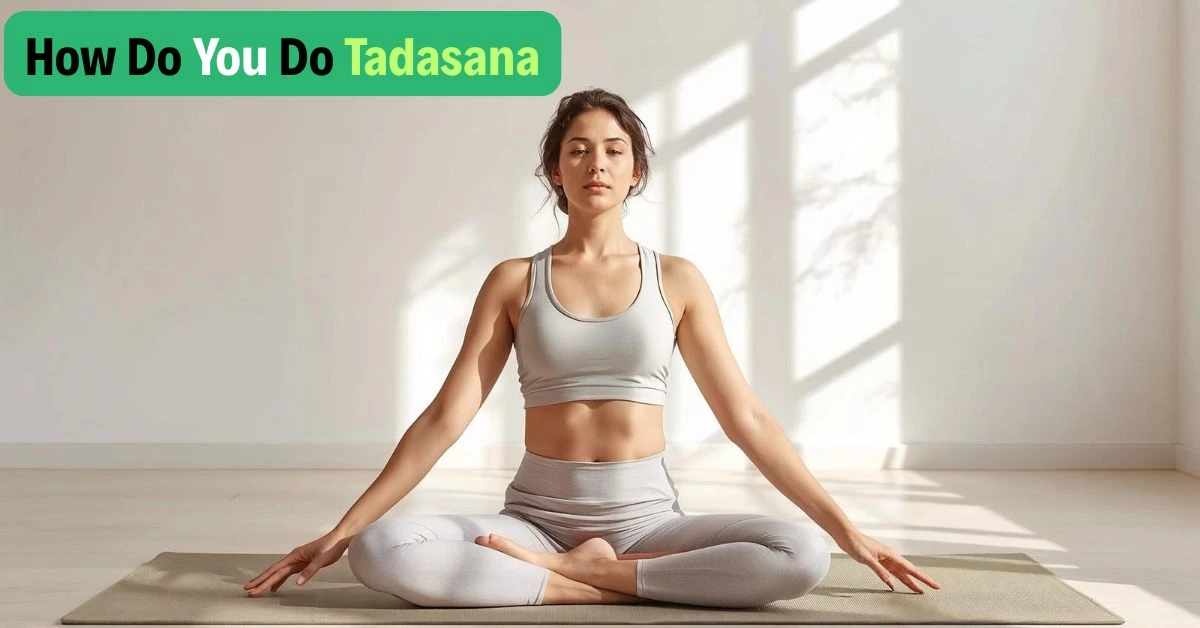
When people ask How Do You Do Tadasana, it helps to picture a quiet room with soft light and open floor space. Stand tall with your feet placed evenly on the ground. Feel the floor beneath you, the same way you notice a warm wood surface or a woven rug underfoot. Let your arms rest by your sides. Lengthen your spine gently without forcing it. The pose invites awareness rather than effort. In a small apartment, this feels natural because you are already aware of how you move through space.
What is Tadasana and why it feels grounding
Many beginners wonder what is tadasana and why it matters. Tadasana is often called the foundation of standing poses. It teaches posture, balance, and awareness. Imagine a well styled room with clean lines and open corners. Nothing feels crowded. Your body in Tadasana works the same way. Weight is balanced, shoulders relax, and breath flows easily. This pose may look still, but it builds strength and focus quietly, much like thoughtful design in a small space.

Tadasana steps in short for everyday practice
If you are short on time or space, tadasana steps in short can fit easily into your routine. Stand with feet grounded. Lift through the crown of your head. Let shoulders soften down your back. Keep your gaze gentle and forward. Breathe slowly. This can be done beside your bed, near a window, or in a hallway cleared of clutter. Like multifunctional furniture, this pose works anywhere and adapts to your life without needing extra effort.
Tadasana steps and benefits for posture and balance
Tadasana steps and benefits go beyond flexibility. The pose improves posture, strengthens legs, and brings awareness to alignment. In daily life, this can help reduce stiffness from sitting or working in small rooms. Think of it like adjusting furniture so everything flows better. When your body aligns well, movement feels easier. This quiet strength builds over time, similar to choosing neutral colors that never feel heavy or overwhelming.
TADASANA BENEFITS for mind and body
The TADASANA BENEFITS include better balance, improved breathing, and a calmer mind. Standing still and focused helps reduce mental clutter. Many people notice improved concentration after regular practice. This mirrors the effect of decluttering a space. When fewer distractions are present, calm follows. Practicing this pose daily can create a steady rhythm that supports both physical comfort and emotional ease.
10 benefits of tadasana in daily living
When people talk about the 10 benefits of tadasana, they often mention posture, balance, breathing, and focus. They also include improved circulation and body awareness. These benefits show up subtly, like the way soft lighting changes a room without calling attention to itself. Over time, standing taller and breathing better can influence how you move through your home and your day.

Precautions of tadasaa to keep practice safe
Understanding the precautions of tadasaa helps keep the practice gentle and supportive. Those with balance concerns or recent injuries should practice near a wall or chair. Avoid locking the knees or forcing the posture. Think of this as choosing furniture that fits your space rather than squeezing something in. Comfort and safety always come first, especially in small environments where mindful movement matters.
How Do You Do Tadasana as part of a mindful routine
Many readers return to the question How Do You Do Tadasana when they want a calm start to the day. Practicing in the morning near natural light can feel refreshing. In the evening, it can help release tension from the day. Just as you might adjust lighting to suit different moods, this pose adapts easily to your schedule. The simplicity makes it easy to return to again and again.
How Do You Do Tadasana with minimal space
One of the best things about How Do You Do Tadasana is that it needs almost no space. You do not need a large room or special setup. A clear patch of floor is enough. This makes it ideal for apartment living. The pose respects your environment rather than demanding more from it. It teaches you to work with limitations instead of against them.
How Do You Do Tadasana and create calm at home
When practiced regularly, How Do You Do Tadasana becomes more than a pose. It becomes a pause. A moment to check in with posture, breath, and mood. Much like styling a small space with care, this practice invites you to slow down and notice details. Over time, these small moments of awareness can shape how your home feels and how you feel within it.