
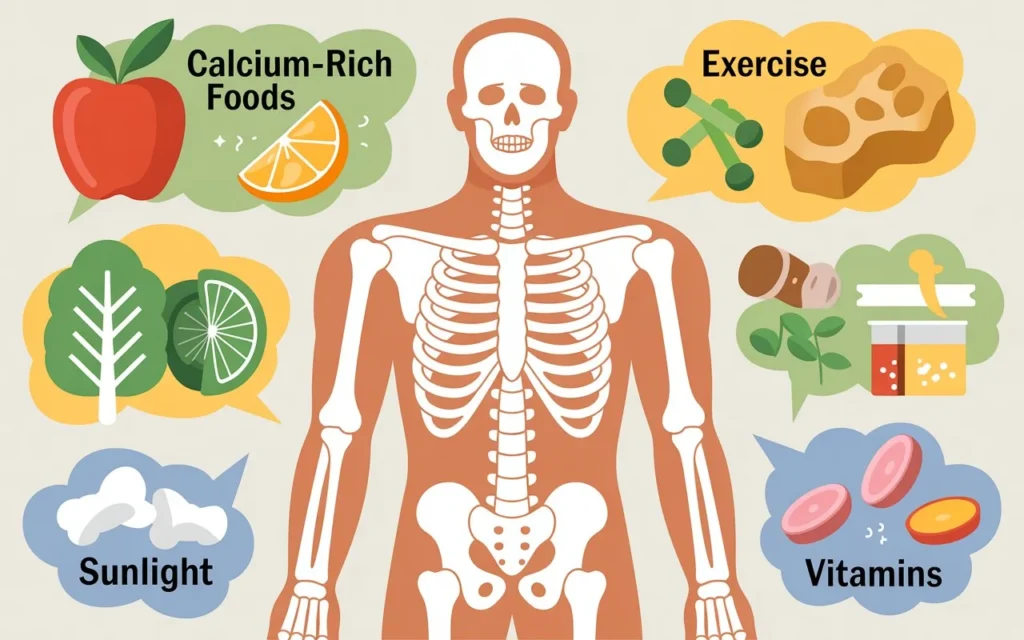
If you want to understand how to increase bone density, start with the basics. Your bones respond to what you eat and how you move. A diet that includes calcium, vitamin D, protein, and minerals like magnesium gives your body the raw materials it needs. Strength training and weight-bearing exercise tell your bones to rebuild and grow stronger. Sunlight, steady activity, and healthy habits support the process. When you stay consistent with these steps, your bone density improves over time.

Table of Contents
Key Takeaways
Bone density depends on age, diet, hormones, and activity level.
Calcium and vitamin D work together to support bone strength.
Strength training and weight-bearing exercise help stimulate new bone growth.
Lifestyle choices like smoking and heavy drinking weaken bones over time.
A DEXA scan gives the most accurate picture of your current bone health.
Consistent habits make a bigger difference than occasional effort.
What Bone Density Is and Why It Drops
Bone density shows how much mineral is packed into your bones. Higher density means stronger bones, lower fracture risk, and better support for daily movement. Your bones are always breaking down and rebuilding. In youth, the rebuilding process wins. After about age thirty, the breakdown process slowly starts to take the lead.
This shift becomes sharper with aging, hormone changes, long periods of inactivity, low calcium intake, vitamin D deficiency, smoking, and heavy alcohol use. Genetics and medical conditions also play a part. Research shows that lifestyle habits still influence bone strength even later in life.

Signs Your Bone Density May Be Low
Low bone density often produces no early warning signs. Still, some changes can point toward bone weakness. These include persistent back pain, reduced height, fragile bones that break easily, and gradual rounding of the upper spine. A bone density scan is the only way to get a clear measurement.

How Much Calcium You Need Each Day
Calcium makes up most of your bone structure. Adults generally need about 1,000 to 1,200 milligrams a day. Your body absorbs calcium best in small amounts over the day, not all at once. Milk, yogurt, cheese, fortified plant milks, leafy greens, almonds, tofu, and ragi all help fill your daily needs. Calcium from food tends to absorb better than large supplement doses.
Studies show that taking high-dose calcium alone may not improve bone strength unless your overall diet and vitamin D levels are also adequate. Food-first works best.
Vitamin D for Better Calcium Absorption
Your body cannot use calcium properly without vitamin D. It helps move calcium from your gut into your bloodstream and then into your bones. Sunlight is the easiest way to raise vitamin D levels, though factors like skin type, indoor lifestyle, and weather influence how much you make.
Egg yolks, fatty fish, and fortified milk also contribute. Research shows that vitamin D combined with calcium helps reduce fracture risk more than vitamin D alone, especially in people with low baseline levels.
The Role of Protein and Other Nutrients
Protein makes up a large part of the bone matrix. Without enough protein, bone tissue becomes weaker, and muscle strength drops as well. Eggs, lentils, beans, dairy, chicken, fish, and nuts are easy ways to meet daily needs. A balanced intake throughout the day supports both muscles and bones.
Magnesium, zinc, and vitamin K also support bone-building processes. Nuts, seeds, leafy greens, beans, and whole grains offer these nutrients in their natural form. A varied diet usually covers your needs without special supplements unless advised by a doctor.

Weight-Bearing and Strength Exercises
Exercise is one of the most effective tools for improving bone density. Bones respond to stress by adding more mineral, making them thicker and stronger. Weight-bearing exercises like walking, stair climbing, running, or dancing activate this process. Strength training helps muscles pull on bones, which further stimulates growth.
Simple moves like squats, lunges, pushups, and resistance band work make a real difference when done regularly. Research shows that both impact and strength exercises support bone density, especially around the spine and hips.
Lifestyle Habits That Help or Harm Bone Density
Your bone health reflects your long-term habits. Staying active, eating enough calories, maintaining a healthy body weight, and getting quality sleep all support the bone-building cycle. Smoking, heavy drinking, and long periods of sitting weaken bone repair and speed up bone loss. Balanced daily habits matter more than occasional bursts of effort.
When to Consider Bone Density Testing or Treatment
A DEXA scan is the most trusted tool for measuring bone density. It shows your fracture risk using T-scores and Z-scores. Doctors usually recommend testing for postmenopausal women, people with past fractures, those on long-term steroid medicines, smokers, and people with low body weight. If your results show low density, your doctor may suggest lifestyle changes, supplements, or medicines depending on your risk.

FAQ
Can bone density improve at any age?
Yes. Studies show that exercise and nutrition support bone density even in older adults. Progress may be slow, but it is possible.
How can I improve bone density in my spine?
Strength training, posture exercises, and enough calcium and vitamin D are key. Movements that strengthen your core also help support the spine.
Can bone density improve without medicine?
Diet, sunlight, and weight-bearing exercise can improve or maintain bone density for many people, but severe bone loss may still require medical treatment.
Does walking help bone density?
Walking helps maintain bone density, but strength training and impact exercises have a stronger effect on building new bone.
Is it ever too late to start?
No. Even people in their seventies and eighties show improvements with proper training and nutrition.
Final Thoughts
Bone strength doesn’t depend on one single habit. It grows from consistent choices that support your body every day. A diet rich in calcium, vitamin D, and protein, paired with regular exercise and simple lifestyle changes, can improve your bone density no matter your age. Small steps add up. Stay steady and your bones will respond.