

Losing weight as a woman is not just about eating less it’s about eating right. Hormones, metabolism, lifestyle, stress, and nutritional needs all play a major role in how a female body gains or loses weight. That’s why following random diet trends often leads to frustration, fatigue, or weight regain.
A well-planned diet chart for weight loss for female focuses on balanced nutrition, a safe calorie deficit, and long-term sustainability. This guide is designed to help women lose weight without extreme restriction, while still supporting overall health.
Whether you are a beginner, vegetarian, working professional, or someone who has tried and failed with crash diets, this complete guide will help you understand what to eat, how much to eat, and why it works.
Table of Contents
Key Takeaways
- A successful diet chart for weight loss for females focuses on balanced nutrition, not extreme calorie restriction.
- Most women lose weight safely with a moderate calorie deficit of 400–600 kcal per day rather than crash dieting.
- A daily intake of around 1,300–1,500 calories works well for many women, depending on age, height, and activity level.
- Protein is essential for female weight loss, helping preserve muscle, control hunger, and support metabolism.
- Carbohydrates should not be eliminated; fibre-rich carbs from whole foods support energy and hormonal health.
- Healthy fats are necessary for hormone balance and should be included in controlled portions.
- Vegetarian and vegan women can lose weight effectively by prioritising plant-based protein sources.
- Weight loss is more sustainable when combined with regular physical activity, such as walking and strength training.
- A healthy weight-loss rate for women is 0.5–1 kg (1–2 lbs) per week.
- Long-term success comes from consistency, flexibility, and realistic habits, not perfection.

What Is the Best Diet Chart for Weight Loss for Female?
The best diet chart is not a fixed menu it’s a structured eating pattern that:
- Creates a moderate calorie deficit
- Provides enough protein to preserve muscle
- Includes fibre-rich carbohydrates
- Supports hormonal and metabolic health
A good weight loss diet for women should be:
- Nutrient-dense
- Easy to follow
- Flexible enough for real life
- Sustainable for months, not days
Extreme diets may show fast results, but they often damage metabolism and lead to rebound weight gain.
How Weight Loss Works Differently in Women
Women’s bodies are biologically designed to protect fat stores due to reproductive and hormonal functions. This makes weight loss slightly more complex compared to men.
Key factors affecting female weight loss:
- Hormonal fluctuations (menstrual cycle, menopause)
- Lower muscle mass, which affects metabolism
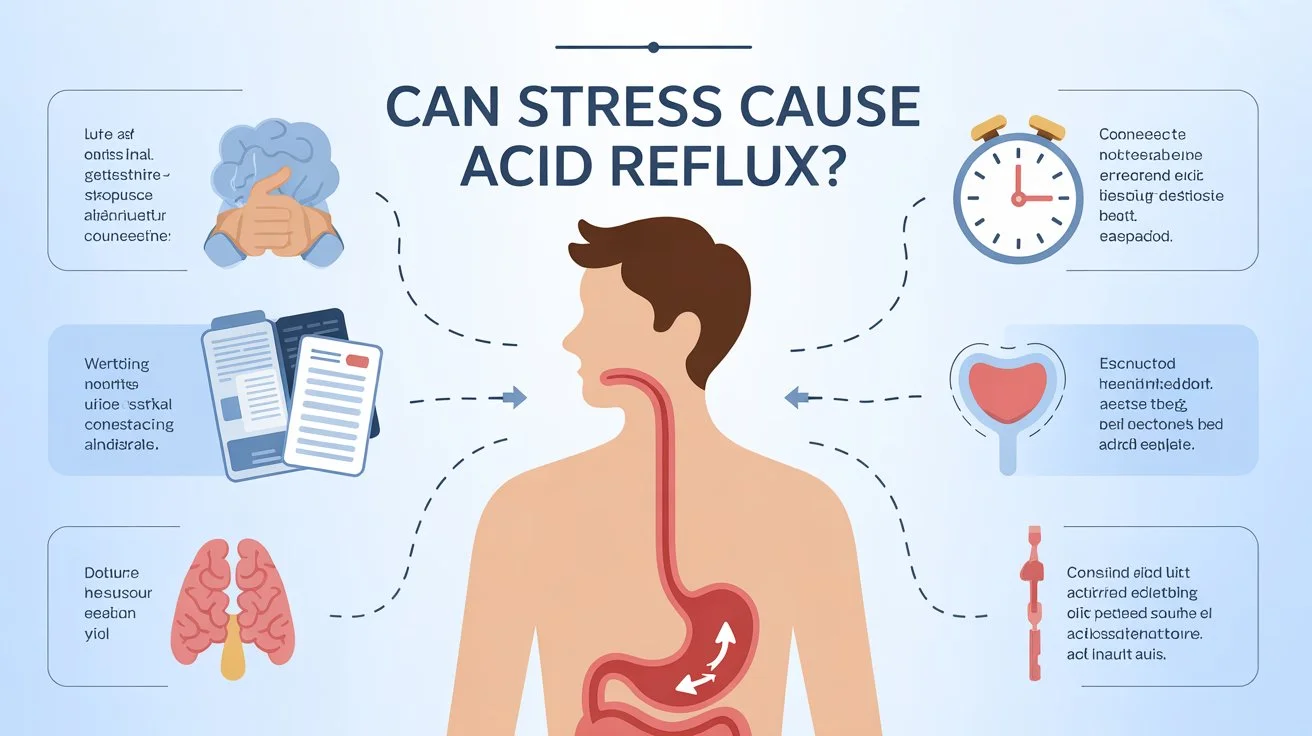
- Stress and sleep, which impact cortisol levels
- Under-eating, which slows fat loss over time
Because of this, aggressive calorie cutting often backfires. A steady, balanced approach works best.
How Many Calories Should a Woman Eat to Lose Weight?
Calorie needs depend on age, height, weight, and activity level, but general guidelines help set a safe baseline.
Average calorie needs:
- Maintenance calories for many adult women: ~2,000 kcal/day
- Safe calorie deficit: 400–600 kcal/day
- Common weight-loss intake: 1,300–1,500 kcal/day
For many women, a 1,400 calorie diet is effective for steady fat loss without nutrient deficiency.
⚠️ Diets below 1,000 kcal/day are not recommended without medical supervision.
Ideal Macronutrient Ratio for Female Weight Loss
Calories matter, but macronutrient balance determines how satisfied and healthy you feel while losing weight.
Protein (Most Important)
- Preserves muscle
- Controls hunger
- Supports metabolism
Recommended intake:
~1.2–1.6 g per kg body weight
(≈80–100 g protein/day for many women)
Carbohydrates
- Essential for energy and hormone balance
- Should come from whole foods
Best sources:
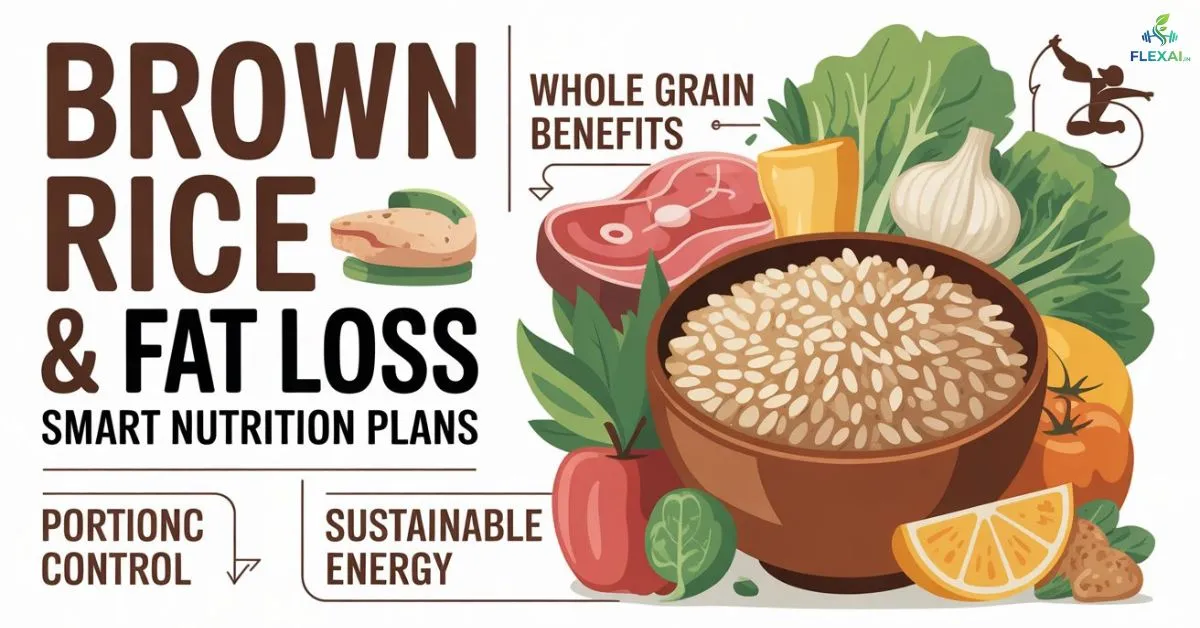
Vegetables, fruits, oats, brown rice, legumes
Fats
- Support hormones and nutrient absorption
Healthy fats:
Nuts, seeds, olive oil, avocado, fatty fish

Sample Diet Chart for Weight Loss for Female (1,400 Calories)
This is a balanced example diet chart. Portion sizes can be adjusted.
Breakfast (≈350 kcal)
- Rolled oats (40 g) cooked in water or low-fat milk
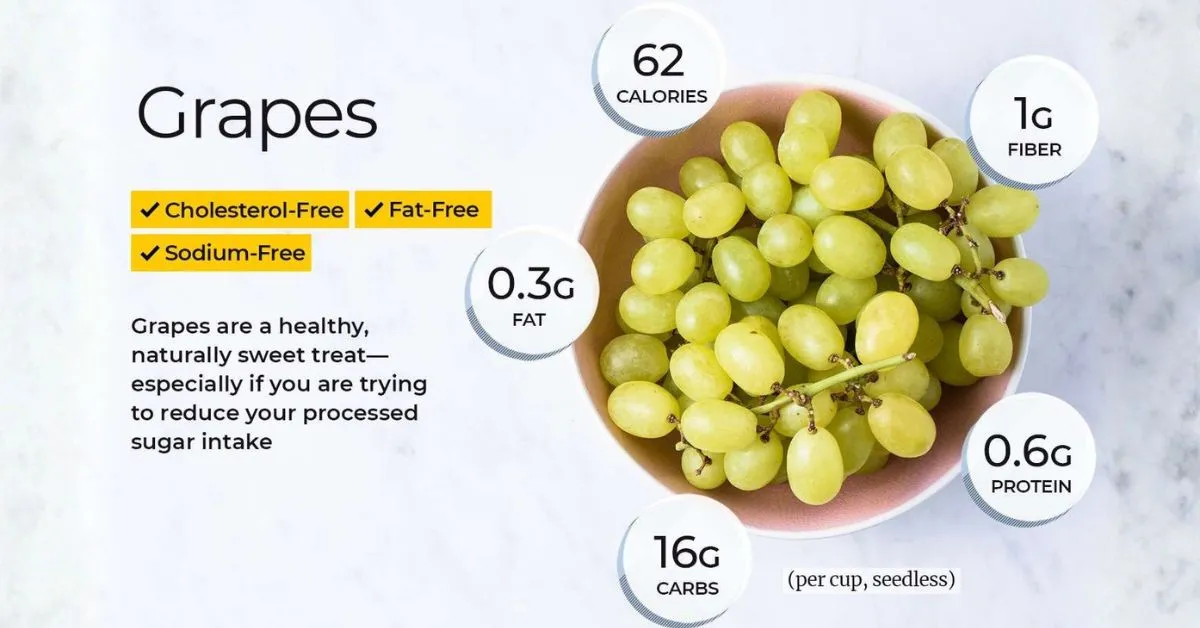
- 1 small fruit (banana or apple)
- 10 g nuts (almonds or walnuts)
Why it works:
High fibre + slow carbs keep you full for hours.
Mid-Morning Snack (≈120–150 kcal)
- Low-fat Greek yogurt (100 g)
OR - 1 fruit + 1 tsp peanut butter
Lunch (≈400 kcal)
Option 1 (Non-Vegetarian):
- Grilled chicken breast (100 g)
- Large mixed salad
- 1 tsp olive oil dressing
- 1 small whole-grain roti or ½ cup brown rice
Option 2 (Vegetarian):
- Paneer / tofu (120–150 g) or chickpeas
- Same salad + whole grain
Afternoon Snack (≈120 kcal)
- Roasted chana
- Boiled egg
- Hummus with vegetable sticks
Dinner (≈350 kcal)
- Grilled fish or tofu
- Steamed vegetables
- 1 small sweet potato or ½ cup rice
Daily Total
- Calories: ~1,400 kcal
- Protein: 80–95 g
- Fibre: 25+ g
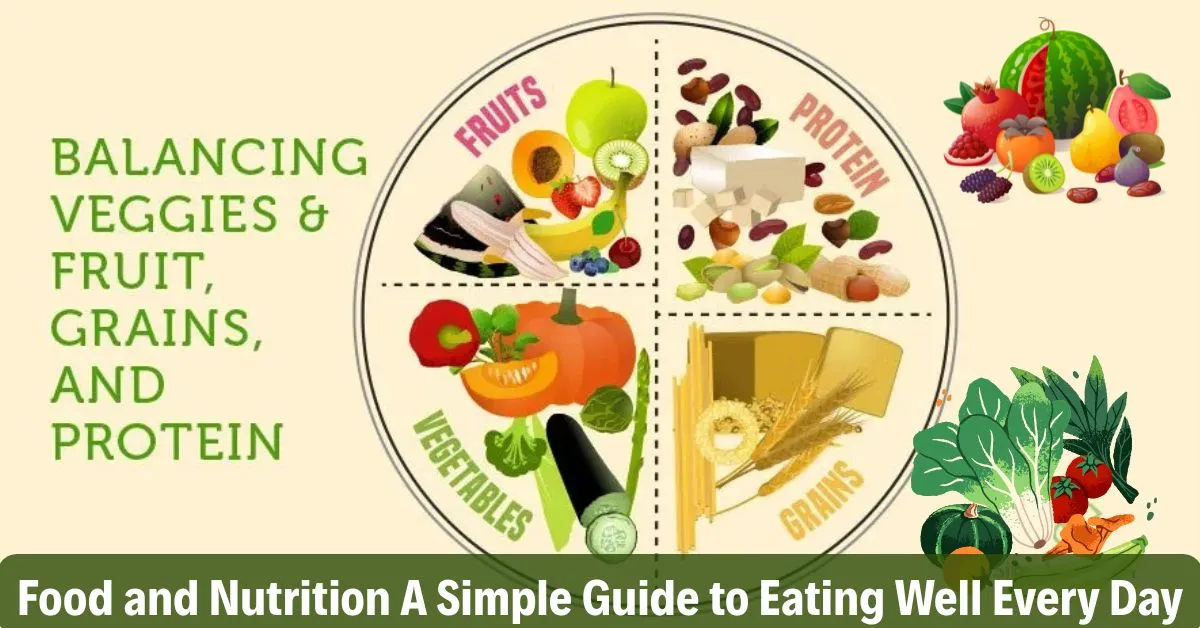
Vegetarian Diet Chart for Weight Loss for Female
Vegetarian women can lose weight effectively with proper protein planning.
Best vegetarian protein sources:
- Lentils, chickpeas, beans
- Paneer, tofu, tempeh
- Greek yogurt, soy milk
Common mistake
Eating too many carbs (rice, bread) without enough protein.
Best Foods for Weight Loss for Women
Foods to Eat More Often
- Leafy greens
- Eggs
- Yogurt
- Berries
- Legumes
- Nuts (in moderation)
- Olive oil
Foods to Limit
- Sugary drinks
- Packaged snacks
- Fried foods
- Refined flour items
No food needs to be fully banned—portion control is key.
Foods to Avoid for Weight Loss for Females
- Added sugars
- White bread and pastries
- Deep-fried snacks
- Alcohol
- Ultra-processed “diet” foods
These foods increase calorie intake without improving satiety.
Diet Chart for Weight Loss by Age
Women in Their 20s–30s
- Focus on balanced meals
- Regular physical activity
- Avoid extreme dieting
Women Over 40
- Prioritise protein
- Strength training is essential
- Reduce refined carbs
Role of Exercise Along With Diet
Diet creates weight loss, but exercise:
- Preserves muscle
- Improves fat loss
- Boosts mental health
Recommended:
- 150 minutes/week moderate activity
- 2 days/week strength training
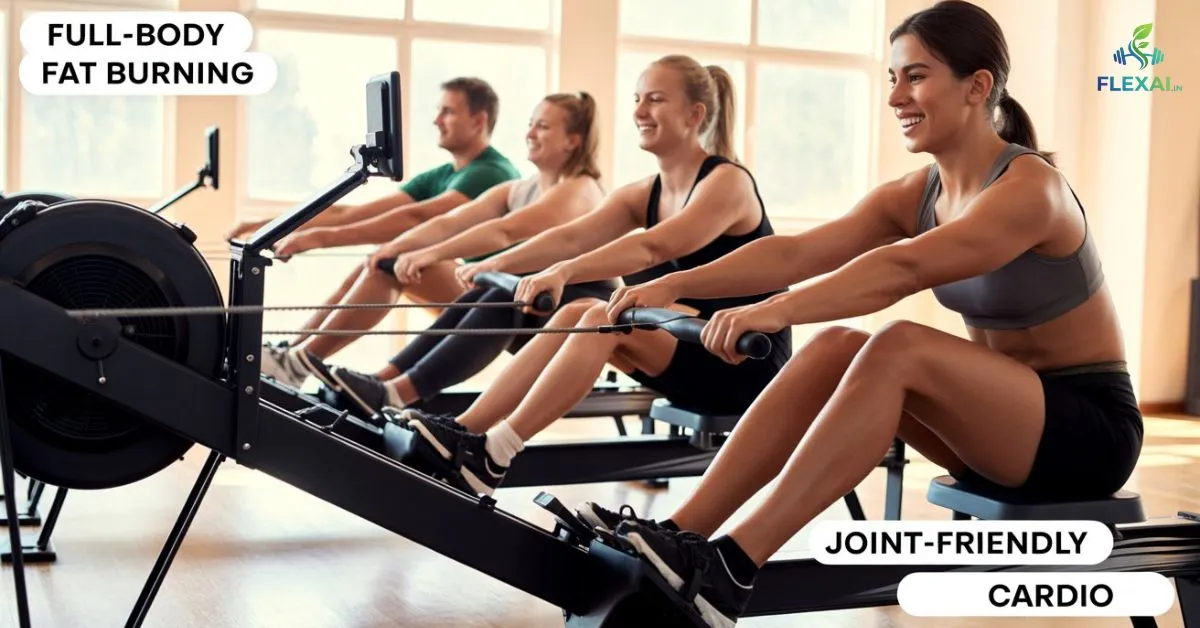
Walking, yoga, resistance workouts, and home exercises all work.
Common Diet Mistakes Women Make
- Eating too little
- Skipping meals
- Fear of carbs or fats
- Poor sleep and high stress
- Expecting instant results
Weight loss should be judged over weeks—not days.
How Fast Should Women Lose Weight?
Healthy fat loss rate:
- 0.5–1 kg (1–2 lbs) per week
Faster loss increases risk of:
- Muscle loss
- Hormonal imbalance
- Nutrient deficiency
- Weight regain
FAQs: Diet Chart for Weight Loss for Female
Can women lose weight without going to the gym?
Yes. Walking, home workouts, yoga, and diet consistency are enough.
Is skipping dinner good for weight loss?
No. Skipping meals often leads to overeating later and slows metabolism.
Is a low-carb diet safe for women?
Moderate carbs are better for hormonal health than extreme low-carb diets.
Final Thoughts
The best diet chart for weight loss for female is not extreme or restrictive. It is:
- Balanced
- Protein-rich
- Sustainable
- Adaptable to lifestyle
Weight loss should improve your health—not damage it. When nutrition supports your body, results come naturally and stay long-term.
⚠️ Disclaimer
This content is for educational purposes only. Women who are pregnant, breastfeeding, or have medical conditions should consult a qualified healthcare professional before starting any weight-loss diet.




2 thoughts on “Diet Chart for Weight Loss for Female : A Complete, Healthy & Sustainable Guide”