
If you’ve been hearing more about carnivore diet supplements, you’re not alone. The carnivore diet has quickly become one of the most talked-about ways of eating mostly because it’s so simple. You eat animal-based foods like meat, fish, eggs, and a little dairy, and you skip everything else. That means no fruits, no vegetables, no grains, no nuts, and no seeds.
For many beginners, this simplicity feels refreshing. People often share that they’ve lost weight, feel less bloated, have steadier energy, and think more clearly. But once the initial excitement settles, a common question comes up: Am I getting everything my body needs if I only eat animal foods?
This is where carnivore diet supplements start to matter. They aren’t about making the diet complicated or following another trend. Instead, they’re a way to help fill in nutritional gaps that can happen when you remove whole food groups.
In this guide, we’ll keep things simple. You’ll learn which supplements are commonly used on a carnivore diet, why beginners often need them, what doctors and research say, and how to make safer, more informed choices even if you’re just getting started.
Table of Contents

Key Takeaways: Carnivore Diet Supplements
- The carnivore diet is nutritionally dense but not nutritionally complete.
- Long-term adherence increases the risk of vitamin and mineral deficiencies.
- Carnivore diet supplements help address gaps in vitamin C, magnesium, potassium, vitamin D, and omega-3s.
- Electrolyte balance is critical on zero-carb diets.
- Iron-free multivitamins are safer for most carnivore dieters.
- Supplements reduce deficiency risk but do not replace medical monitoring.
- Personalized supplementation based on labs and symptoms is ideal.
Understanding the Carnivore Diet and Its Nutritional Gaps
The carnivore diet is naturally rich in:
- High-quality protein
- Heme iron
- Vitamin B12
- Zinc
- Selenium
- Vitamin A (from organ meats)
However, removing all plant foods also removes key sources of:
- Vitamin C
- Magnesium
- Potassium
- Calcium
- Folate
- Vitamin K
- Dietary fiber
According to clinical nutrition research published in PubMed Central, meat-based diets often fail to meet recommended micronutrient intake values, especially for electrolytes and antioxidants, even when calorie intake is sufficient.
This imbalance is the core reason many long-term carnivore followers turn to supplementation.
Why Carnivore Diet Supplements Are Often Necessary
While short-term carnivore dieting may not immediately cause deficiencies, long-term restriction increases risk, particularly when organ meats and seafood are limited.
Supplementation helps to:
- Prevent micronutrient deficiencies
- Maintain electrolyte balance
- Support immune and bone health
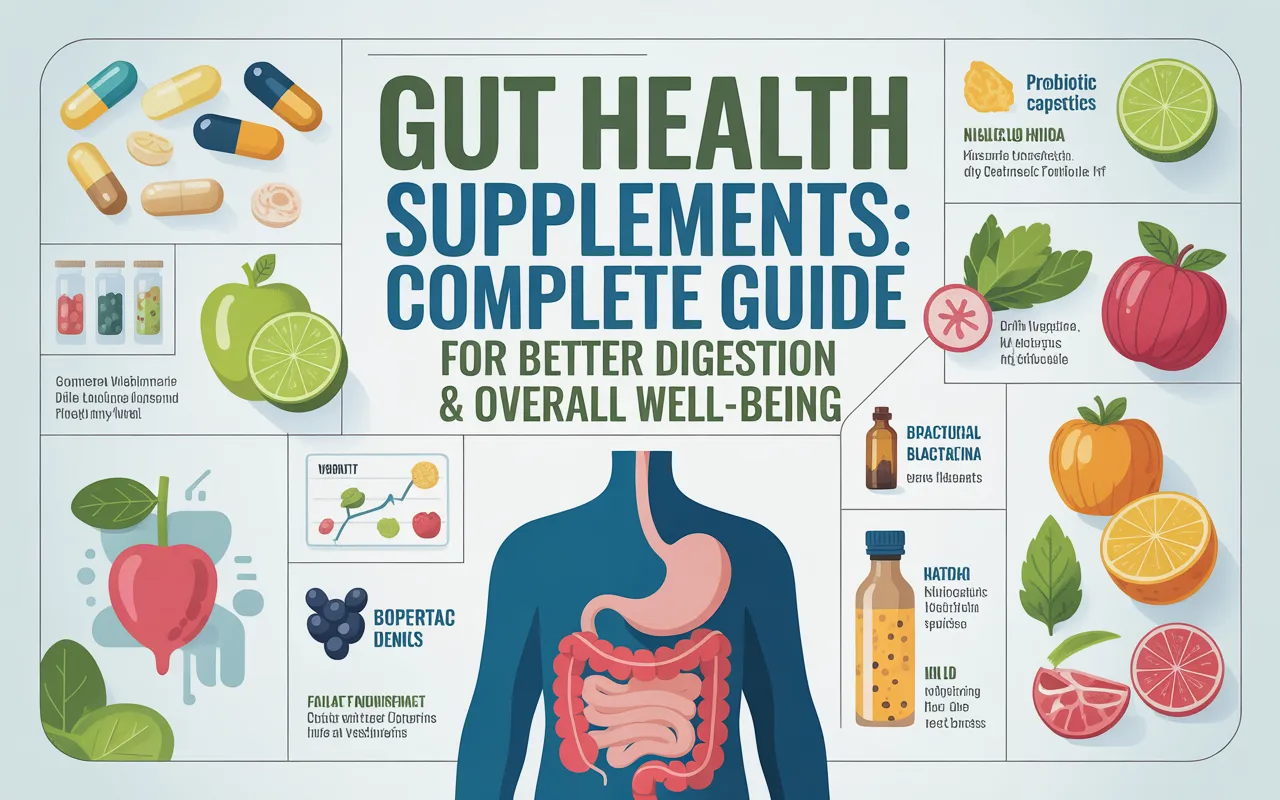
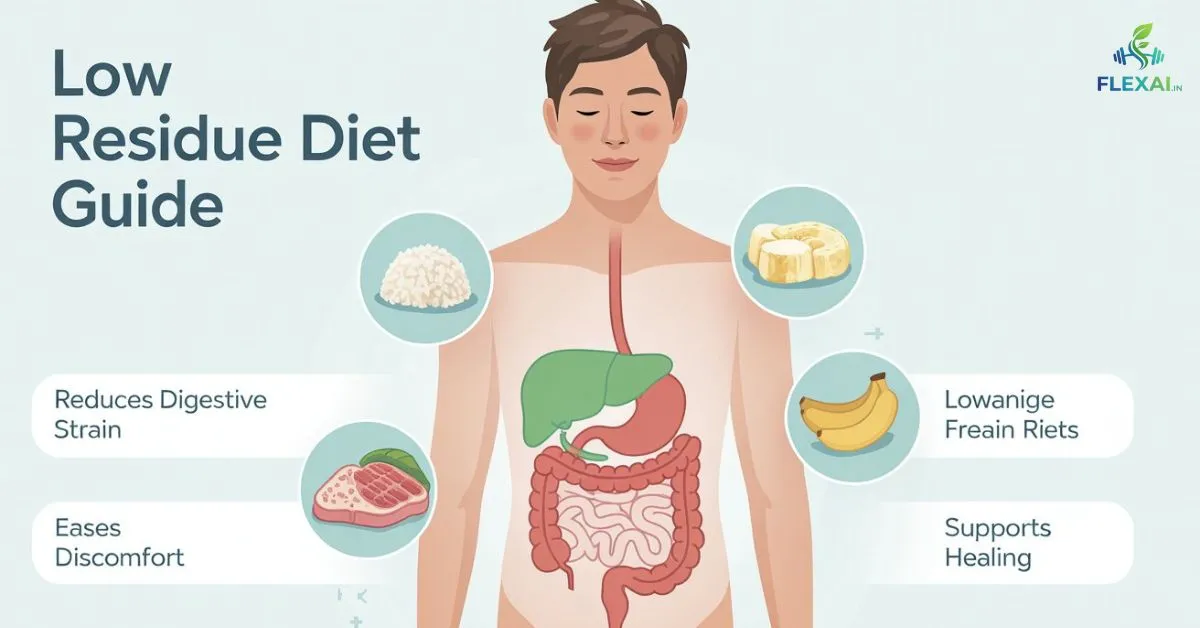
- Improve digestion during high-fat intake
- Reduce fatigue, cramps, and headaches
Health authorities like WebMD also note that extremely restrictive diets increase the likelihood of nutritional gaps when followed without medical supervision.
Essential Carnivore Diet Supplements (Explained)
1. Vitamin C
Vitamin C plays a critical role in immune function, collagen synthesis, antioxidant defense, and iron absorption. While raw organ meats contain trace amounts, they rarely meet daily requirements.
Why it matters on carnivore:
- Prevents deficiency symptoms
- Supports immunity and connective tissue
- Helps balance oxidative stress
2. Vitamin D
Vitamin D supports bone health, immune response, and hormone regulation. Even meat-heavy diets provide limited amounts unless fatty fish is consumed regularly.
Why supplement:
- Low sunlight exposure increases deficiency risk
- Essential for calcium absorption
- Common deficiency across all diets
3. Magnesium
Magnesium is involved in over 300 enzymatic reactions, including muscle function, nerve signaling, and sleep regulation. It is primarily found in plant foods.
Common deficiency signs:
- Muscle cramps
- Fatigue
- Poor sleep
- Headaches
4. Potassium and Electrolytes
Low-carb and zero-carb diets cause increased fluid loss, which can lead to electrolyte imbalance.
Why electrolytes matter:
- Maintain hydration
- Support heart rhythm
- Prevent dizziness and weakness
Balanced electrolyte intake (sodium, potassium, magnesium) is particularly important during the adaptation phase.
5. Omega-3 Fatty Acids
Omega-3s support cardiovascular health, joint mobility, and brain function. Unless fatty fish is eaten frequently, intake may be insufficient.
Why supplement:
- Improves omega-6 to omega-3 ratio
- Supports anti-inflammatory pathways
6. Iron-Free Multivitamin
Red meat already provides high levels of iron. Supplementing additional iron may increase the risk of overload in some individuals.
Best choice:
- Iron-free multivitamin with B-complex, vitamin C, vitamin K, iodine, and trace minerals
7. Digestive Enzymes (Optional)
A sudden increase in fat and protein intake can challenge digestion.
Helpful for:
- Bloating
- Fat malabsorption
- Transition discomfort
8. Fiber Supplements (Optional and Controversial)
Fiber is absent on a strict carnivore diet. While not essential for survival, fiber supports gut microbiome diversity and bowel regularity for many people.
Low-carb fiber options may help those experiencing constipation.

Carnivore Diet Supplements vs Carnivore Diet Alone
| Aspect | Diet Alone | Diet + Supplements |
|---|---|---|
| Micronutrient coverage | Incomplete | More balanced |
| Electrolyte stability | Often low | Improved |
| Digestive comfort | Variable | Better supported |
| Long-term sustainability | Higher risk | Lower deficiency risk |
| Fiber intake | None | Optional |
What Science and Medical Sources Say
Scientific literature emphasizes that while meat-based diets provide dense nutrition, they do not fully satisfy all micronutrient requirements when plant foods are excluded.
Peer-reviewed research published on PubMed Central confirms gaps in vitamin C, magnesium, potassium, calcium, and fiber, reinforcing the practical role of supplementation for long-term carnivore adherence.
Meanwhile, medical platforms like WebMD caution that the carnivore diet lacks long-term clinical evidence and should be approached carefully, especially without professional guidance.
Frequently Asked Questions (FAQs)
1. Do you need supplements on a carnivore diet?
Short-term, not always. Long-term, most people benefit from supplementation due to missing micronutrients.
2. What are the most important carnivore diet supplements?
Vitamin C, vitamin D, magnesium, potassium/electrolytes, omega-3 fatty acids, and an iron-free multivitamin.
3. Can organ meats replace supplements?
Organ meats are nutrient-dense but do not fully cover vitamin C, magnesium, potassium, or fiber.
4. Is vitamin C necessary if you eat only meat?
Yes. Trace amounts in meat are inconsistent and often insufficient for daily needs.
5. Are electrolytes important on the carnivore diet?
Yes. Low-carb diets increase fluid loss, making electrolyte supplementation essential.
6. Is fiber required on a carnivore diet?
Fiber is not essential, but some people benefit from small amounts for gut health and regularity.
7. Are carnivore diet supplements safe?
They are generally safe when dosed correctly. Excessive iron or fat-soluble vitamins can be harmful.
8. Can supplements make the carnivore diet healthier long term?
They can reduce deficiency risks, but long-term safety data for the diet itself remains limited.