
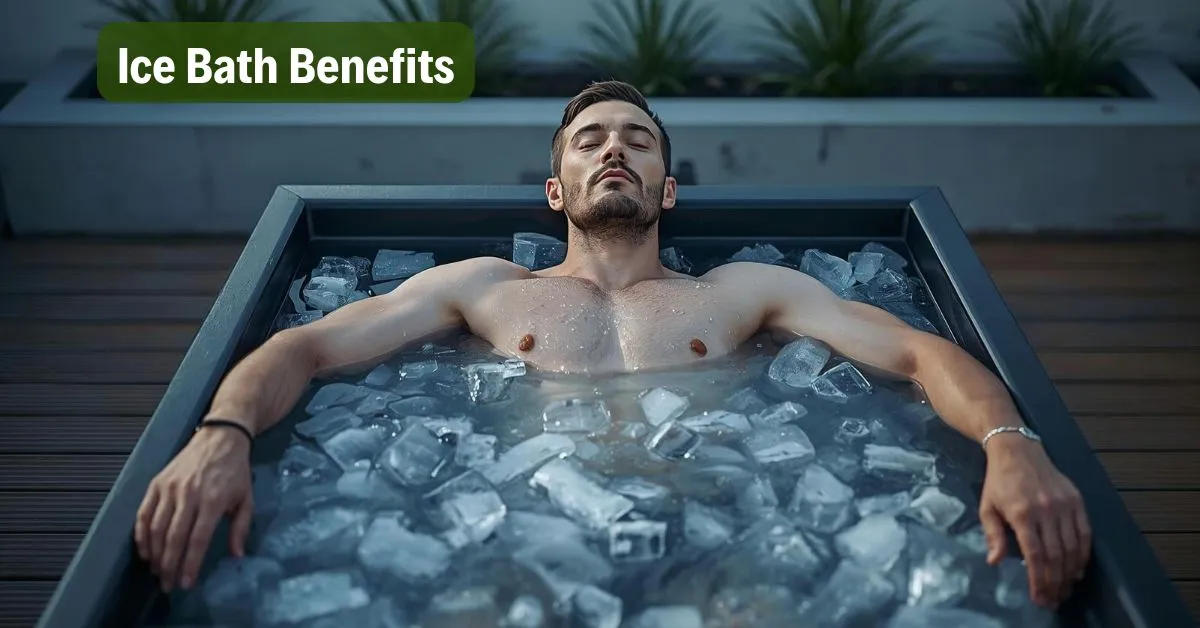
Ice bath benefits have captured attention far beyond elite sports. From gyms to home tubs, people now explore cold exposure to recover faster and feel stronger. At its core, ice bath benefits come from controlled cold stress that helps the body reset after training.
Also known as cold water immersion (CWI), this practice is widely used for post-workout recovery, especially after intense sessions. Athletes rely on it to support muscle recovery after workout days and to reduce muscle soreness that can limit performance. Research continues to evolve, yet many users report better comfort, focus, and readiness. This guide breaks down the science, safety, and use of ice baths for beginners.
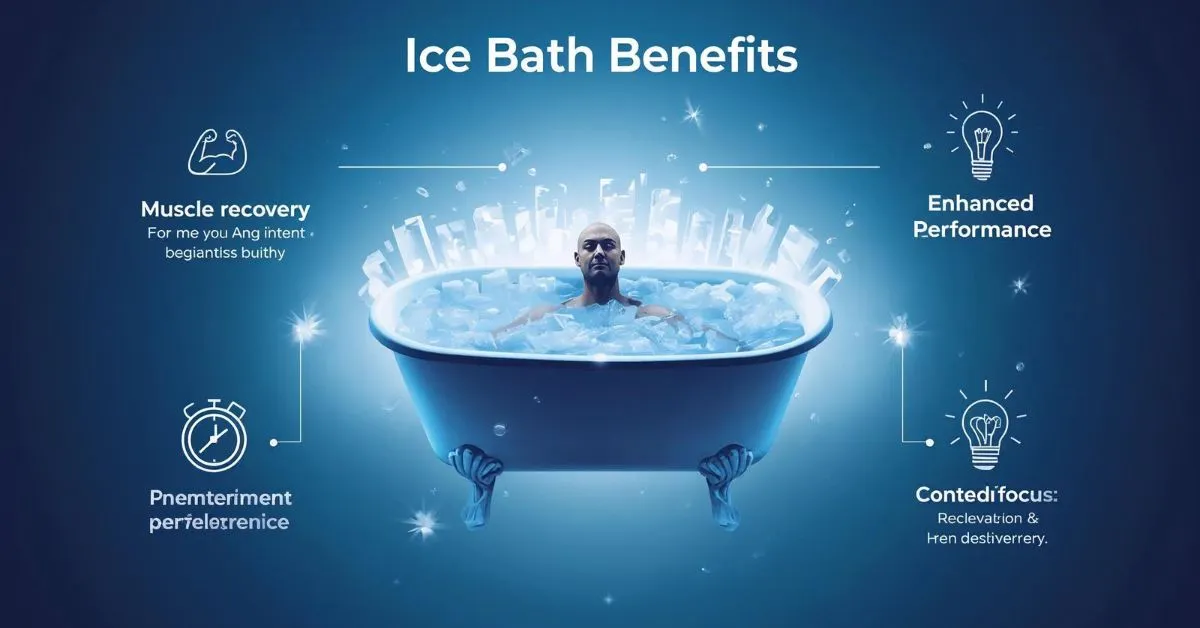
Table of Contents
What Is an Ice Bath? (Cold Plunge Explained)
An ice bath means sitting in cold water after an intense exercise session. The water usually sits between 50 and 59°F. This method is also called cold water immersion (CWI), cold plunge therapy, or cold exposure therapy. People use it for post-workout recovery and pain control.
You often see an ice bath for athletes, runners, or gym lovers. The goal is simple. Cool the body fast. Calm muscle pain and soreness. Support muscle recovery after workout. Many also use it after events for post-competition recovery.

How Ice Baths Work on the Body (Science Explained)
Cold water shocks the body. Blood vessels tighten. This blood vessel constriction slows swelling and pain signals. The drop in core body temperature changes how nerves react. Your central nervous system switches gears fast.
Once you exit the tub, blood rushes back. This rebound may help flush waste. It can support sore and aching musclesand comfort. The cold also nudges the parasympathetic nervous system, aiding calm and control through vagus nerve stimulation.
Research & Scientific Evidence on Ice Bath Benefits
Studies on ice bath benefits show mixed results. Some research supports pain relief and comfort. Other studies question long-term gains. Many experts now compare active recovery vs ice bath, such as light cycling or stationary bike recovery.
Evidence suggests ice baths help feelings of recovery. They may not always speed muscle repair. Still, many teams use them for professional athletes recovery. Research limits exist. Small samples matter. Context matters. Use them with purpose.
Top Benefits of Ice Baths for Muscle Recovery
Ice baths often help reduce muscle soreness after hard training. Athletes report faster comfort after lifting or running. This helps resistance training recovery when soreness peaks. Relief can boost confidence and routine.
Cold immersion may also support reaction time improvement before the next session. For sports in hot weather, cooling reduces heat and humidity effects. These benefits explain why ice baths remain common among athletic recovery methods.
Ice Baths and Inflammation – Myth vs Reality
Inflammation is not always bad. Inflammation after exercise helps muscles adapt. Ice baths reduce the inflammatory response short term. This can ease pain. But heavy use may blunt growth.
Smart timing matters. Use ice after competitions. Avoid daily use during muscle-building phases. This balance protects recovery while respecting natural healing. Think tool, not cure.
Mental Health Benefits of Ice Baths
Cold water trains the mind. Stepping into ice builds tolerance to stress. Many feel calm after. This links to sleep and fatigue reduction and focus.
Cold exposure challenges comfort zones. That mental edge helps training consistency. Over time, people report better mood control. This effect ties back to nervous system regulation and breath control.
Ice Baths and Metabolic Health (Fat Loss & Immunity)
Cold exposure activates brown fat. This tissue burns energy for heat. Some link this to fat loss. Evidence remains limited. Ice baths support metabolism indirectly, not magically.
Claims about immunity exist. Results vary. Cold stress may help resilience, not immunity cures. Focus on recovery first. Let health gains follow naturally.
Ice Bath vs Cold Shower vs Cryotherapy
Each method cools the body differently. Ice baths deliver full immersion. Cold showers cool slower. Chambers offer cryotherapy benefits in short bursts.
Ice baths cost little and feel intense. Showers work for beginners. Cryotherapy costs more. Choose based on access, goals, and tolerance.
| Method | Temperature | Cost | Depth |
|---|---|---|---|
| Ice Bath | 50–59°F | Low | High |
| Cold Shower | 55–65°F | Free | Medium |
| Cryotherapy | Below −150°F | High | Short |
How to Take an Ice Bath Safely (Step-by-Step)
Safety matters. Use the right ice bath temperature. Start with partial immersion. Control breathing. Keep sessions calm. Follow safe ice bath practices at home.
Limit exposure. Typical ice bath duration stays between 10 and 15 minutes. Warm up slowly after. Hydrate well. Never rush the process.
How Long Should You Stay in an Ice Bath?
Time depends on experience. Beginners start at five minutes. Advanced users reach ten. Longer increases hypothermia risk and stress.
Frequency matters more than duration. Two to three times weekly works for most. More is not better. Recovery needs balance.
Risks, Side Effects & Who Should Avoid Ice Baths
Cold exposure carries risks of ice baths. Sudden cold strains the heart. People with cardiovascular disease risk face danger from blood flow restriction.
Other ice bath side effects include numbness and dizziness. Severe cases raise cardiac arrest risk or stroke risk. People with type 1 and type 2 diabetes must be cautious. Extreme cold exposure affects temperature control.

Are Ice Baths Worth It? Final Verdict
Ice baths work best as a recovery tool. They help comfort. They support routine. They do not replace sleep or nutrition. Used wisely, they fit many recovery techniques for athletes.
If you train hard, they may help. If you chase muscle growth, limit use. Respect the cold. Listen to your body. That balance unlocks real results from Ice Bath Benefits (Cold Plunge / Ice Water Therapy).
FAQ
Are ice baths good for you?
Yes, ice baths can help with recovery and comfort after hard training, especially for athletes, when used correctly and not too often.
What happens after 30 days of ice baths?
Many people notice better cold tolerance, perceived recovery, and mental resilience, but daily use may slow muscle growth for strength-focused training.
What are the disadvantages of ice baths?
They can increase cardiovascular strain, raise hypothermia risk, and may blunt muscle adaptation if overused.
How long should you stay in an ice bath?
Most people should stay between 5 and 10 minutes; going beyond 15 minutes increases risk without extra benefit.
What not to do after an ice bath?
Avoid intense training immediately after; warm up gradually and don’t jump into another extreme temperature.
How many calories does a 10-minute ice bath burn?
Roughly 20–50 calories, depending on body size and cold response; it’s not a meaningful fat-loss tool.






1 thought on “Ice Bath Benefits (Cold Plunge / Ice Water Therapy): Science, Safety, and Real Results”