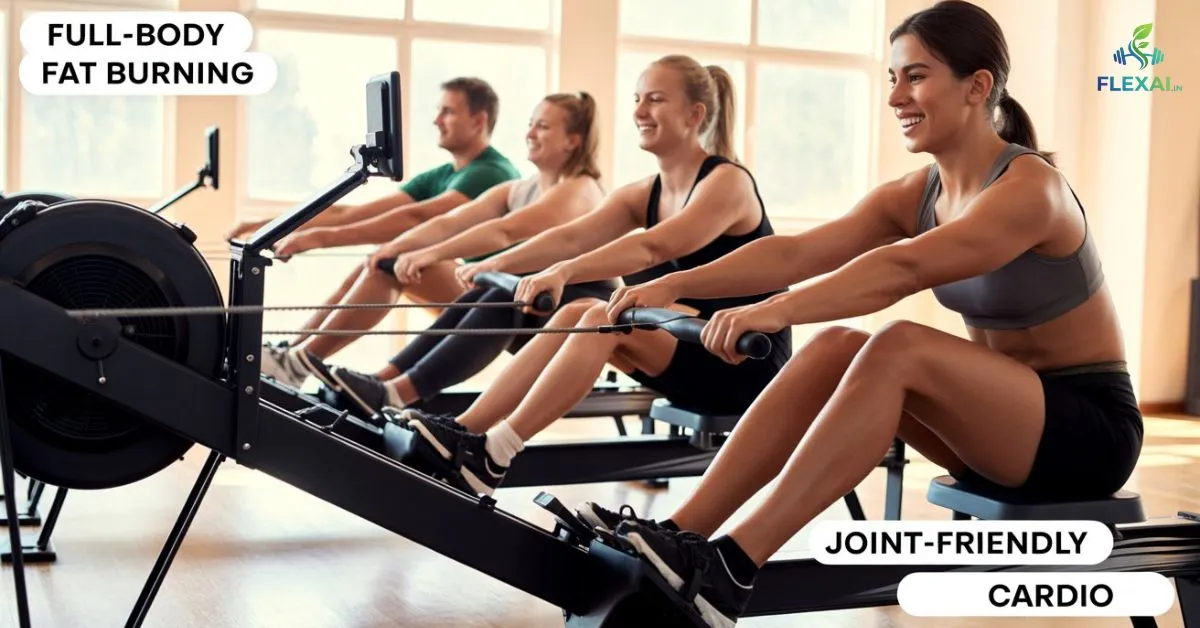
Indoor rowing for weight loss is gaining attention because it delivers strong results without stressing your body. You sit comfortably, move smoothly, and still push your heart and muscles to work hard. An indoor rowing machine combines cardio and strength in one motion, making it a smart choice for busy people who want visible change. Unlike many workouts, rowing feels controlled, which helps you stay consistent.
It improves cardiovascular fitness, supports fat burning cardio, and works as a true full-body workout. Most importantly, it suits beginners and heavier adults seeking a joint-friendly workout that supports long-term progress without pain or burnout.

Table of Contents
What Is Rowing and How Does It Help in Weight Loss?

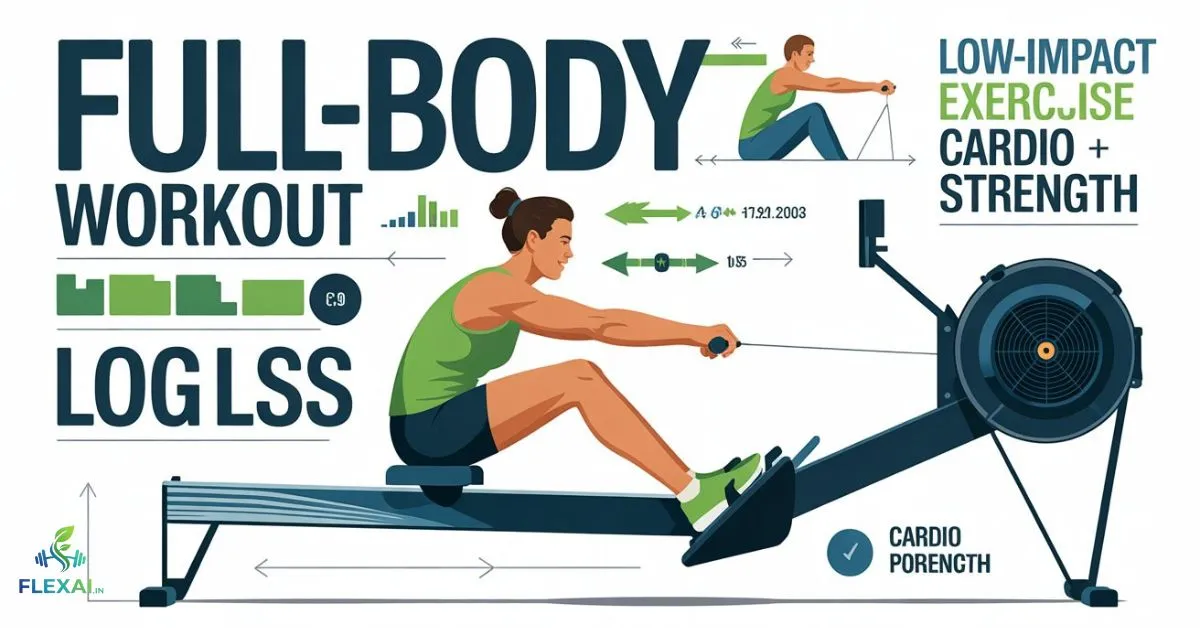
Indoor rowing uses a stationary indoor rowing machine that mimics water rowing. You push with your legs, brace your core, and pull with your arms in one fluid motion. This movement turns rowing into a powerful full-body workout that burns energy fast and keeps your heart rate elevated.
What makes indoor rowing for weight loss special is sustainability. It works as a low impact exercise and a joint-friendly workout, making it ideal for daily use. Many fitness experts recommend rowing as a safe workout for overweight people who need results without pain.
How Many Calories Does Rowing Burn? (Real Numbers)
People often ask how many calories does rowing burn on an indoor machine. The answer depends on body weight and effort level. Still, rowing consistently ranks high as a calorie burning workout because it uses so many muscles at once.
| Body Weight | 30 Min Moderate | 30 Min Intense |
|---|---|---|
| 150 lbs | 210 calories | 260 calories |
| 180 lbs | 250 calories | 310 calories |
| 220 lbs | 300 calories | 370 calories |
These numbers show why weight loss through rowing works best when paired with a calorie-controlled diet.
Is Rowing a Full-Body Workout? Muscles Worked Explained
Indoor rowing activates legs, hips, back, shoulders, arms, and core in every stroke. This makes it a true muscle activation workout and not just basic cardio. Few machines engage so much muscle so smoothly.
Because rowing builds lean muscle, metabolism improves over time. Many studies support does rowing build muscle and burn fat together. This combination drives sustainable weight loss instead of short-term drops.
Rowing vs Other Cardio for Weight Loss (Treadmill, Cycling, HIIT)
When comparing rowing vs running, running stresses knees and ankles more. Rowing stays seated and controlled. This lowers injury risk and improves adherence.
In the debate of rowing vs cycling, cycling mainly targets legs. Rowing distributes effort across the body. This leads to higher energy use and better fat burning cardio potential for many people.
Is Rowing Good for Belly Fat and Stubborn Fat Areas?
A common question is is rowing good for belly fat. Spot fat loss is a myth. However, rowing reduces total body fat, which includes stubborn belly fat over time.
Indoor rowing also lowers visceral fat linked to heart disease. Combined with nutrition habits, it supports long-term weight loss with rowing and better health markers.
20–30 Minute Rowing Workout: Is It Enough for Fat Loss?
Yes, short sessions can still work. Research supports 20–30 minute rowing workout benefits when intensity stays moderate or slightly high. This suits busy schedules well.
These workouts raise heart rate quickly and improve cardiovascular fitness. Over weeks, repeated sessions create visible fat loss without burnout.

Beginner-Friendly 4 Week Rowing for Weight Loss Routine
A structured rowing workout routine helps beginners stay consistent. Early weeks focus on technique. Later weeks add duration and intensity safely.
| Week | Time | Focus |
|---|---|---|
| 1 | 15–20 min | Form |
| 2 | 20–25 min | Endurance |
| 3 | 25–30 min | Intervals |
| 4 | 30 min | Fat loss |
This approach suits rowing for beginners and supports consistency in rowing workouts.
Proper Rowing Technique to Maximise Fat Burn & Avoid Injury
Correct form improves results and safety. Push with legs first. Keep your core tight. Pull arms last. This sequence reduces strain and increases calorie burn.
Good technique supports rowing without joint pain and prevents overuse injuries. Poor form wastes effort and slows progress.
Is Rowing Safe for Knees & Joints? Who Should Be Careful
Indoor rowing is widely known as a joint-friendly workout and impact-free cardio workout. The sliding seat removes pounding stress from knees and hips.
Many people succeed with rowing after knee injury using light resistance. Those with severe back conditions should consult a professional first.
Diet & Nutrition Tips to Combine with Rowing for Faster Results

Fat loss requires balance. Pair indoor rowing for weight loss with proper nutrition. Protein supports recovery. Fiber controls hunger.
The real driver is calorie deficit and rowing together. Add rowing and mindful eating to avoid overeating and maintain energy.
How Long Does It Take to See Weight Loss Results from Rowing?
Most people feel stronger within two weeks. Visible fat loss usually appears in four to six weeks. Results depend on frequency and diet quality.
Experts agree how often should you row to lose weight matters more than intensity. Three to five sessions weekly works well.
Who Should Choose Rowing for Weight Loss (And Who Shouldn’t)?
Indoor rowing suits beginners, seniors, and heavier adults. It is often recommended as a rowing exercise for obesity and a best exercise for obese adults because it protects joints.
People with untreated spinal injuries should seek medical advice before starting. Others can adjust resistance safely.
Final Verdict: Is Rowing the Best Exercise for Weight Loss?

Indoor rowing blends cardio, strength, and safety better than most workouts. It supports fat loss without joint strain and fits busy lifestyles.
For many adults, indoor rowing for weight loss stands out as one of the most effective paths to fitness, confidence, and lasting results.

FAQ
Is indoor rowing a good way to lose weight?
Yes. Indoor rowing burns high calories, works the whole body, and supports fat loss while being gentle on joints.
How long should you row a day for weight loss?
Rowing 20–30 minutes per day, 4–5 times a week, is enough for steady and sustainable weight loss.
What is the 30/30/30 rule for weight loss?
It means eating 30 grams of protein within 30 minutes of waking, followed by 30 minutes of low-intensity exercise.
Why am I not losing weight rowing?
Common reasons include overeating, lack of consistency, low intensity, or not maintaining a calorie deficit.
What happens to your body after 30 days of rowing?
You’ll notice better endurance, improved muscle tone, higher energy levels, and early fat loss if diet stays controlled.