Losing weight often feels confusing, especially when it comes to fruit. Many people believe all fruits are healthy and safe to eat without limits. That assumption can quietly slow your progress. Some fruits contain higher calories and sugar, which may interfere with fat burning when eaten in excess.
Understanding fruits to avoid for weight loss helps you make smarter food decisions without giving up nutrition. Certain high calorie fruits and high sugar fruits for weight loss can raise blood sugar levels and increase hunger. When you learn which fruits bad for weight loss to limit and how fruits and weight management truly work, you gain better control over your weight loss journey.
Table of Contents
Fruits and Weight Loss The Real Truth You Must Know
Fruit supports health. That part is true. However, weight loss depends on calories and sugar balance. Even natural sugar in fruits affects your body when portions grow too large. This is why understanding fruits and weight management is critical for real results.
Many people unknowingly overeat fruit. Smoothies. Fruit bowls. Late-night snacking. These habits raise blood sugar levels and slow fat burning. A balanced diet for weight loss includes fruit, but only when it aligns with your weight management goals.

Are Fruits Really Healthy for Weight Loss?
Fruits provide antioxidants and vitamins that support immunity and digestion. Yet healthy does not always mean weight-loss friendly. Some fruits act like desserts when eaten freely. This often disrupts a calorie deficit diet.
Healthy fruits for weight loss tend to be lower in calories and higher in fibre. High calorie fruits can still fit, but only with control. Without awareness, fruit can quietly derail your weight loss journey.
Why Some Fruits Can Slow Down Weight Loss
Certain fruits are calorie dense fruits. They pack sugar and energy into small portions. When eaten alone, they spike insulin. This process increases fat storage and slows fat burning.
Repeated sugar spikes lead to cravings and overeating. This explains why fruits causing blood sugar spikes often stall progress. Understanding the glycaemic index of fruits helps avoid this cycle.
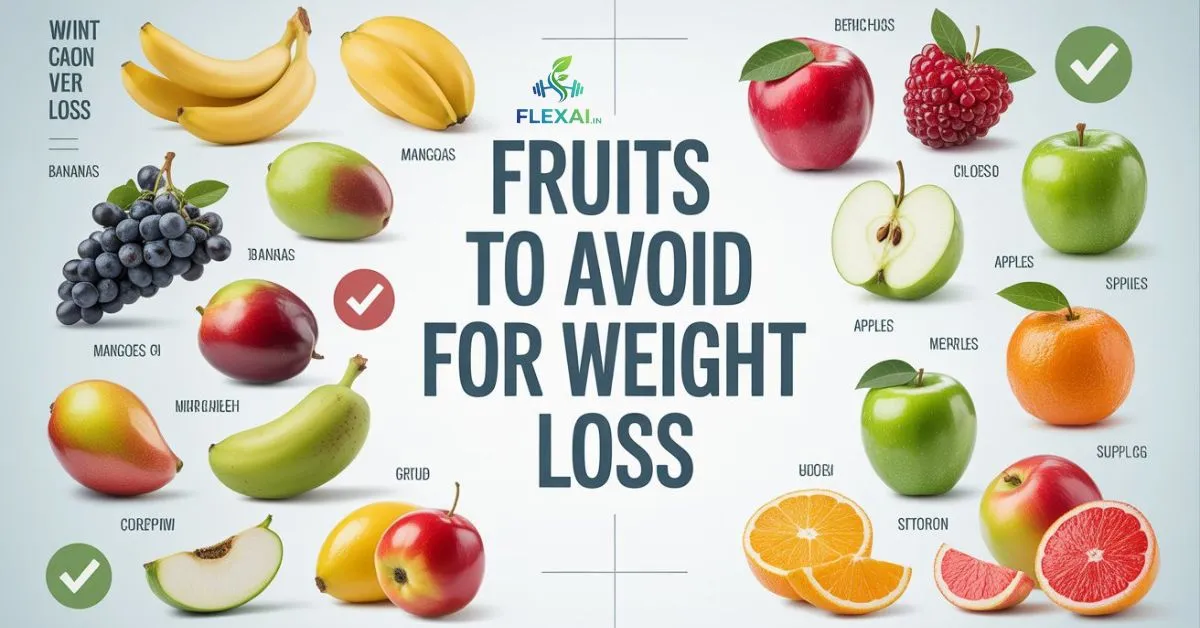
Fruits to Avoid for Weight Loss Complete List
Not all fruits are harmful. However, some fruits bad for weight loss share common traits. They are high in sugar, high in calories, and low in satiety. These traits make overeating easy.
Examples of fruits to avoid for weight loss when portions are not controlled include avocado, banana, mango, grapes, and pineapple. These fruits are nutritious but require planning.
Fruits to Avoid vs Best Fruits for Weight Loss
| Category | Fruit Name | Calories (per 100g) | Key Reason |
|---|---|---|---|
| Fruits to Avoid for Weight Loss | Banana | 110 kcal | High natural sugar in fruits and higher glycaemic impact |
| Fruits to Avoid for Weight Loss | Mango | 60 kcal | High sugar load can slow fat loss |
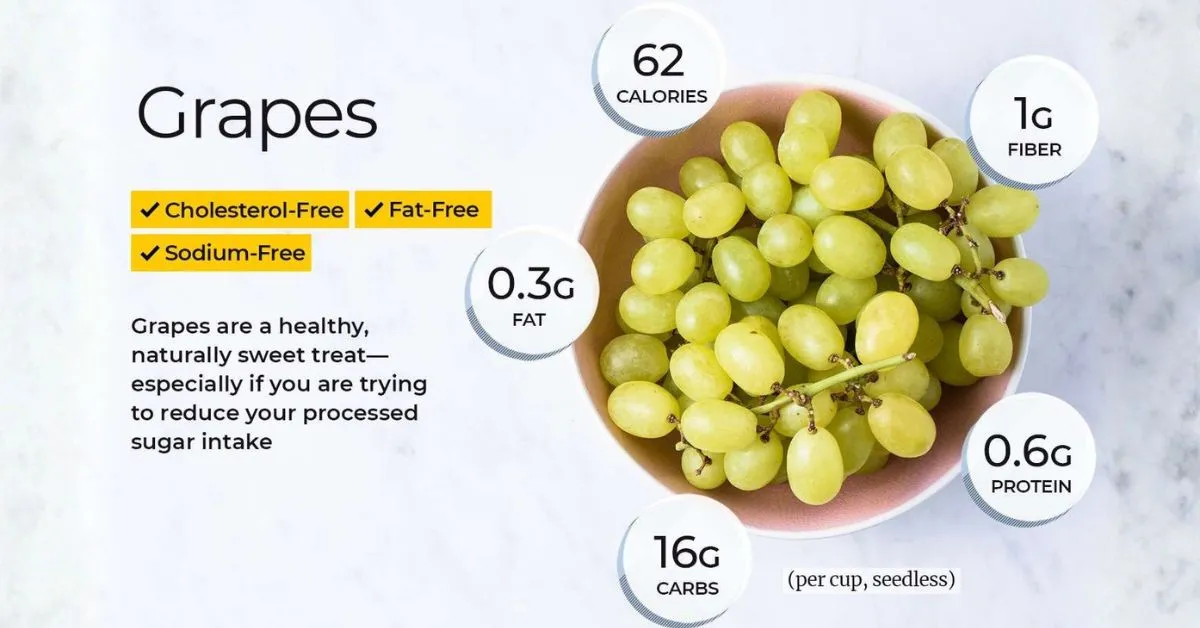
| Fruits to Avoid for Weight Loss | Grapes | 69 kcal | Easy to overeat and causes blood sugar spikes |
| Fruits to Avoid for Weight Loss | Avocado | 160 kcal | Very calorie dense fruit despite healthy fats |
| Fruits to Avoid for Weight Loss | Dried Fruits | 250–300 kcal | Extremely concentrated calories and sugar |
| Best Fruits for Weight Loss | Strawberries | 32 kcal | Fibre rich fruit that supports satiety |
| Best Fruits for Weight Loss | Blueberries | 57 kcal | Nutrient dense fruit with antioxidants |
| Best Fruits for Weight Loss | Apple | 52 kcal | Improves fullness and portion control |
| Best Fruits for Weight Loss | Orange | 47 kcal | Supports hydration and hunger control |
| Best Fruits for Weight Loss | Grapefruit | 42 kcal | Low calorie and supports appetite control |
High-Sugar Fruits That Hinder Fat Loss
High sugar fruits for weight loss include mangoes, bananas, grapes, and cherries. Sweet taste signals sugar. Sugar raises insulin. Insulin blocks fat loss. This chain reaction slows results.
Even though sugar is natural, natural sugars and calories still count. Fruits with high glycaemic index raise glucose quickly and reduce satiety and fullness.
High-Calorie Fruits to Eat in Moderation
Avocados contain healthy fats. They also deliver many calories fast. One avocado can equal a full meal in energy. This makes avocados classic portion control fruits.
Pineapple and coconut also require moderation. They support digestion and metabolism, but excess intake works against fruits for fat loss.
Dried Fruits Healthy or Weight Loss Trap?
Dried fruit removes water while keeping sugar. This makes calories highly concentrated. A small handful equals several fresh servings.
Raisins, dates, and dried cranberries spike blood sugar levels quickly. They reduce hydration and hunger control and encourage overeating. These fruits rarely suit diet fruits for weight loss.
Glycemic Index and Fruits Why It Matters
The glycaemic index of fruits measures how quickly sugar enters the bloodstream. High GI fruits digest fast. Low GI fruits digest slowly. Slow digestion protects appetite and energy.
Low GI fruit reduces fruits causing blood sugar spikes and supports steady fat loss and healthy lifestyle habits.
| Glycemic Index Category | Fruits | GI Range (Approx.) |
|---|---|---|
| Low Glycemic Index Fruits | Strawberries, Blueberries, Apples, Pears, Cherries, Oranges, Grapefruit, Kiwi | Below 55 |
| Medium Glycemic Index Fruits | Banana (ripe), Mango, Pineapple, Papaya, Grapes | 56–69 |
| High Glycemic Index Fruits | Watermelon, Dates, Raisins, Dried Apricots | 70 and above |
How to Choose the Right Fruits for Weight Loss
Smart fruit choices for weight loss focus on fibre, water, and volume. These qualities support dietary fibre benefits and hunger control.
Weight loss friendly fruits help you eat more food for fewer calories. This aligns with registered dietician advice and long-term success.
Best Low-Calorie Fruits for Weight Loss
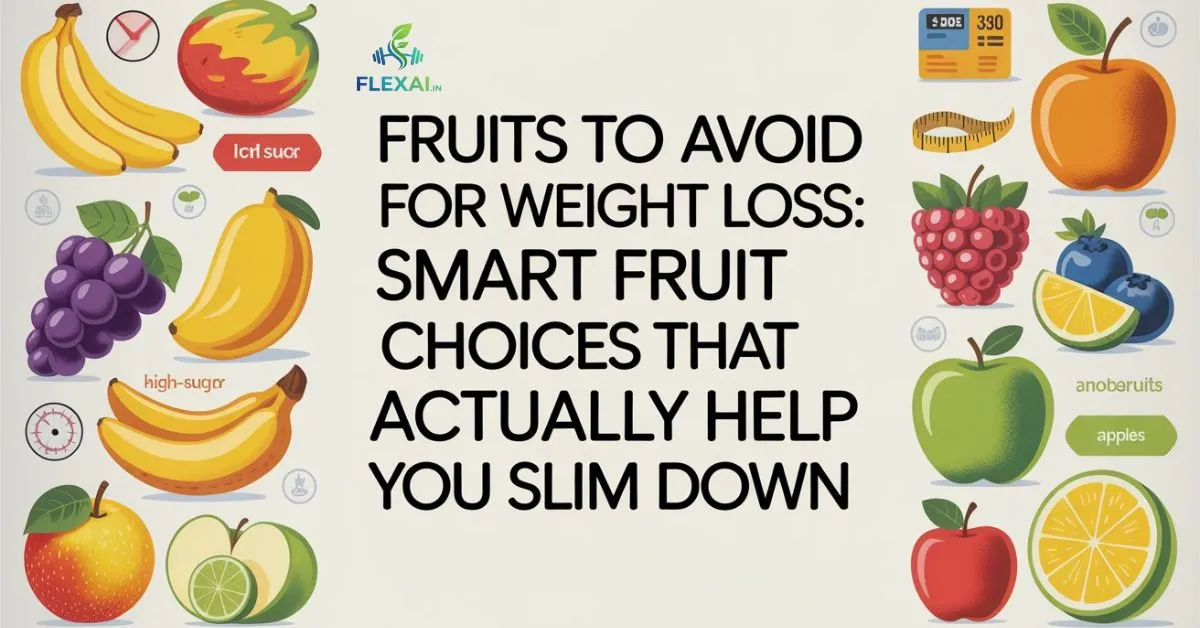
Berries are excellent. Strawberries, blueberries, and raspberries deliver flavour with fewer calories. Citrus fruits also help by increasing fullness.
Apples work well due to fibre content and nutrient dense fruits benefits. These fruits fit easily into a balanced diet for weight loss.
Portion Size and Timing When and How to Eat Fruits
Fruit works best earlier in the day or after exercise. Late-night fruit often becomes stored energy.
Pairing fruit with protein improves portion size control and prevents sugar crashes. Timing and pairing turn fruit into a tool instead of a setback.
| Fruit Type | Recommended Portion | Calories (Approx.) | Best Time to Eat |
|---|---|---|---|
| Banana | Half medium banana | 55 kcal | Morning or post-workout |
| Mango | ½ cup sliced | 50 kcal | Morning only |
| Grapes | 10–12 grapes | 35 kcal | Midday snack |
| Avocado | ¼ medium fruit | 60 kcal | With meals |
| Pineapple | ½ cup | 40 kcal | Earlier in the day |
| Berries | 1 full cup | 50 kcal | Anytime |
| Apple | 1 small apple | 80 kcal | Morning or afternoon |
| Dried Fruits | 1 tablespoon | 30–40 kcal | Rarely, not daily |
FAQ
How to reduce weight 10kg in 7 days?
Losing 10kg in 7 days is unsafe and unrealistic. Rapid weight loss usually means water loss, not fat, and can harm your health.
What fruit is best for weight loss?
Berries, apples, and grapefruit are best for weight loss because they are low in calories and high in fibre, helping you feel full longer.
Which fruits reduce belly fat?
No fruit directly burns belly fat, but apples, berries, and citrus fruits help reduce overall fat by controlling hunger and blood sugar levels.
Is cherry good for weight loss?
Cherries can fit into weight loss in small portions, but they are higher in sugar, so overeating may slow fat loss.
What is the most unhealthy fruit for weight loss?
Dried fruits are the worst for weight loss because they are very high in calories and sugar and easy to overeat.