
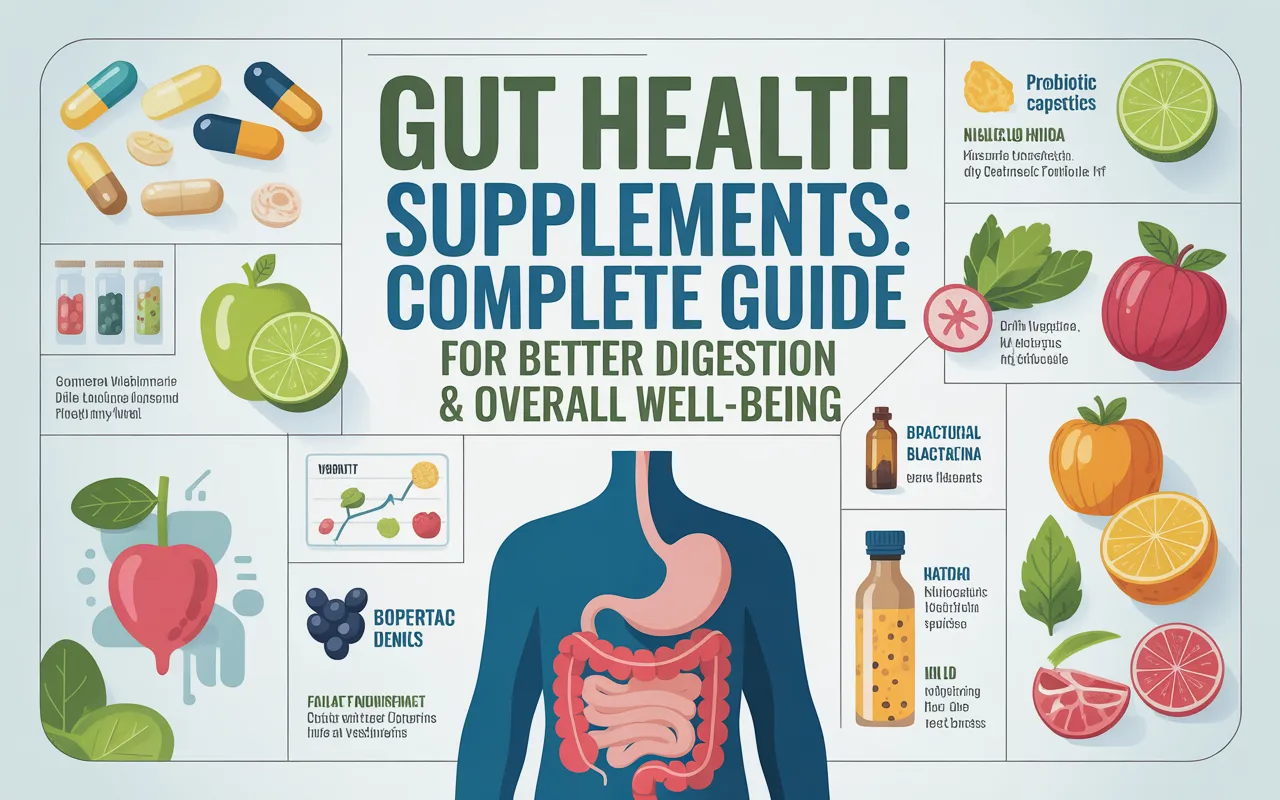
Gut health plays a powerful role in how you feel every day, from digestion and energy to immunity and mood. When your gut works smoothly, your body absorbs nutrients better and handles daily stress with ease. However, modern lifestyles often disrupt this balance. That is where gut health supplements become helpful.
These products support digestion, restore digestive balance, and nourish healthy gut bacteria that keep your system running efficiently. Many people now turn to digestive health supplements and probiotics for gut health to manage bloating, irregular digestion, and low energy. With the right approach, supporting your gut can lead to better comfort, stronger immunity, and improved overall well-being.
Table of Contents
Understanding Gut Health and Why It Matters
Your gut does more than digest food. It influences mood, energy, and overall wellness. A healthy gut supports digestive balance, efficient nutrient absorption, and steady immune system support. When digestion functions properly, your body processes food efficiently and removes waste smoothly.
Modern lifestyles often disrupt this system. Stress, processed foods, and poor sleep weaken digestion and trigger digestive discomfort. Over time, this strain leads to fatigue, low immunity, and frequent stomach pain and indigestion. That is why many people now rely on digestive health supplements for daily support.
What Is Gut Bacteria and the Gut Microbiome?
Inside your gut live trillions of microbes known as healthy gut bacteria. Together, they form the microbiome. These microbes include beneficial bacteria and harmful strains. Health depends on maintaining a good vs bad gut bacteria balance.
When balance breaks, digestion slows, and inflammation rises. This gut microbiome balance also affects mood through the gut-brain connection. A diverse microbiome strengthens digestion and immunity, while poor diversity weakens the entire system.
Common Signs and Symptoms of an Unhealthy Gut
Digestive symptoms often appear first. Bloating, gas, constipation, or diarrhoea signal digestive sensitivity and disrupted bowel regularity. These signs should not be ignored.
Over time, symptoms spread beyond digestion. Skin issues, fatigue, headaches, and food reactions may appear. These problems often indicate gut flora imbalance or leaky gut syndrome, where the intestinal lining becomes weak and inflamed.
Main Causes of Poor Gut Health
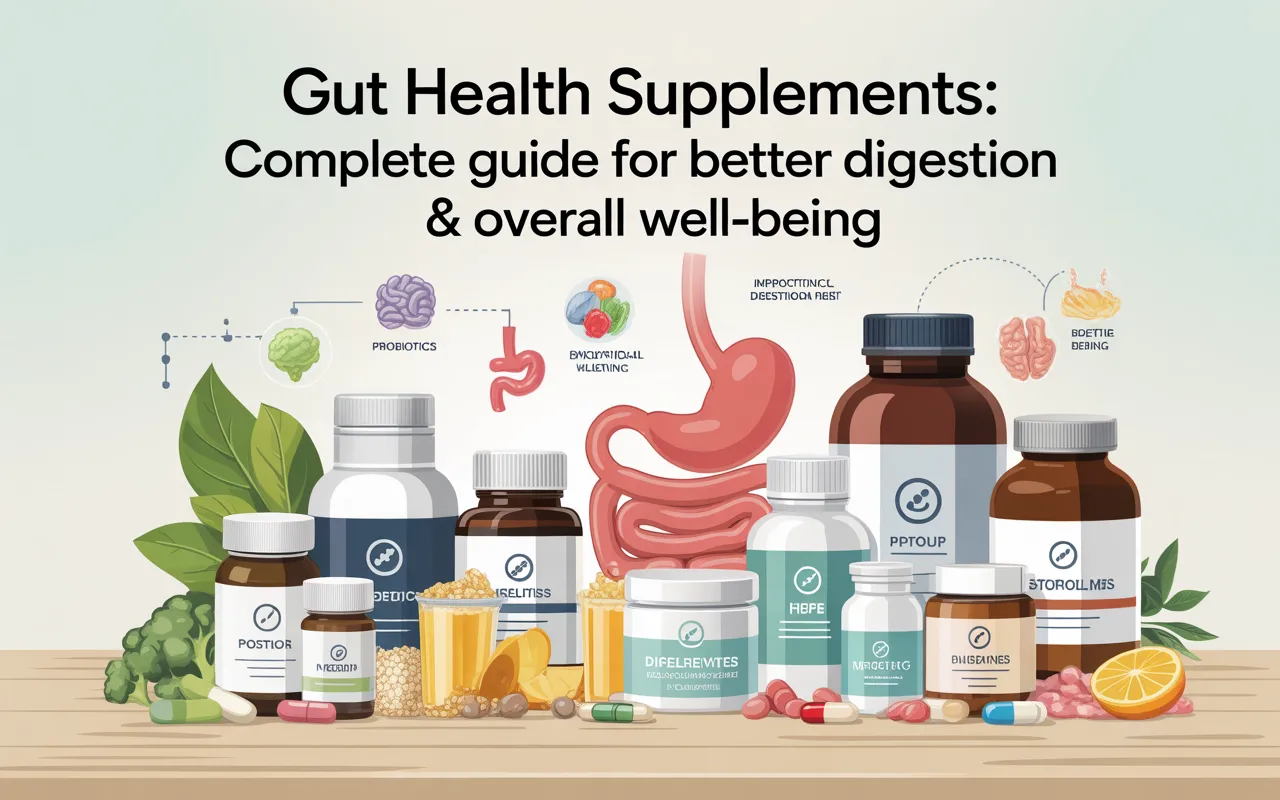
Diet plays a major role. Processed foods and excess sugar reduce gut microbiome diversity and fuel chronic inflammation. These foods also weaken digestion and reduce enzyme function.
Stress worsens the damage. High cortisol alters the gut environment, slows digestion, and increases irritation. Antibiotics, poor sleep, and inactivity further increase inflammation in gut tissues.
Best Foods That Naturally Heal Your Gut
Whole foods help restore balance. Fibre-rich vegetables, fruits, and grains support bowel movement and feed healthy microbes. Traditional fermented foods for gut health add natural probiotics.
These foods improve enzyme activity, strengthen the intestinal lining, and support healthy digestion. However, many people still benefit from fibre supplements for digestion when diet alone is not enough.
Foods You Should Avoid for Better Gut Health
Certain foods worsen symptoms. Added sugars and artificial sweeteners disrupt stomach acidity balance and increase bloating. Alcohol irritates the gut and slows healing.
Dairy, gluten, and soy may trigger digestive sensitivity in some people. Reducing these foods often improves bloating and gas relief and supports faster recovery.
How to Treat an Inflamed or Irritated Gut Naturally
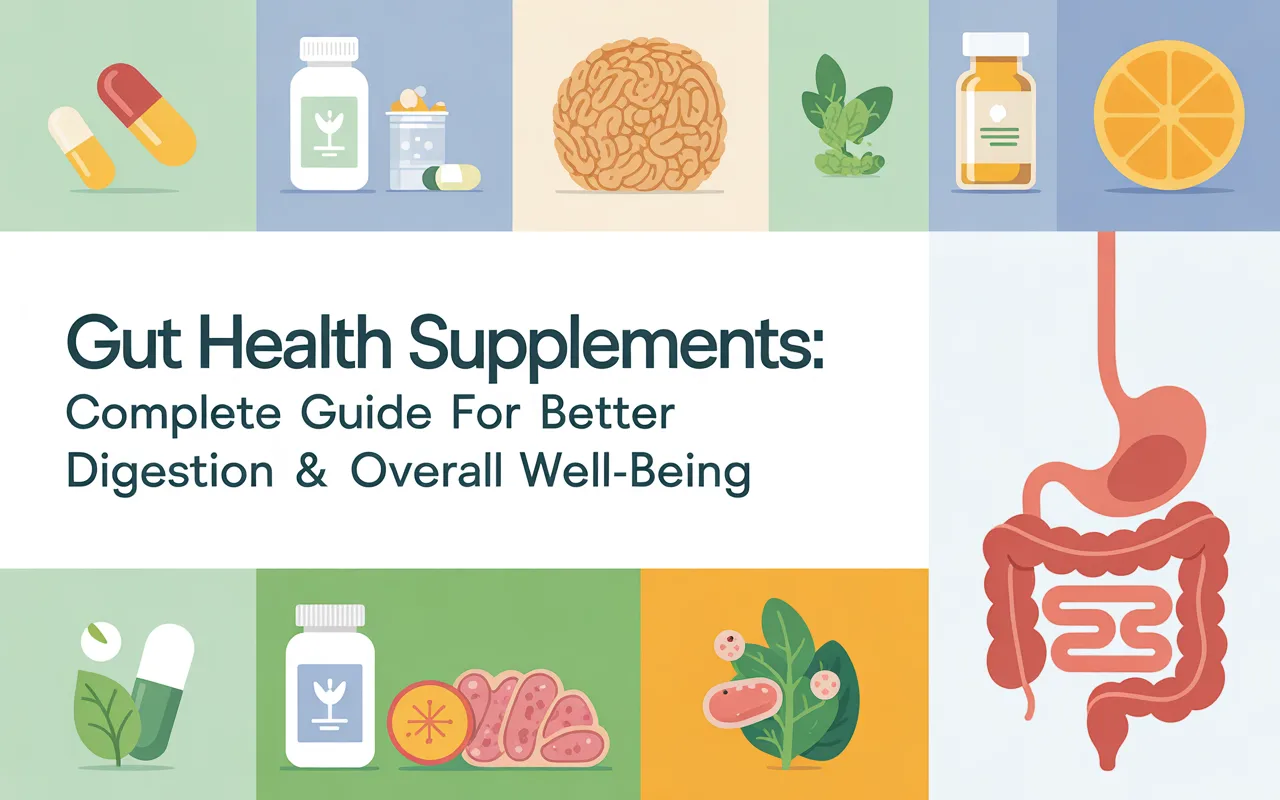
Healing starts with calming inflammation. Anti-inflammatory foods, hydration, and stress control reduce inflammation in gut tissues. Gentle exercise improves circulation and digestion.
Natural strategies often include prebiotics for digestion and probiotics. These restore microbial balance and improve comfort. Many people experience noticeable gas and bloating reduction within weeks.
Do You Really Need Supplements for Gut Health?
Food supports gut health, but lifestyle gaps remain common. Stress, age, and illness increase nutrient needs. In these cases, gut health supplements offer focused support.
These products act as natural digestive aid solutions. They help improve digestion, immunity, and daily comfort without harsh medications.
Types of Gut Health Supplements and How They Work
Probiotics introduce live probiotic strains that rebuild microbial balance and improve digestion.
Prebiotics supply prebiotic fibre that feeds good bacteria and improves gut strength.
Digestive enzymes help break down food and reduce heaviness after meals.
Functional options like apple cider vinegar for gut health support acidity and digestion flow.
Fibre formulas improve stool quality and act as constipation relief supplements.
Probiotics Explained: Benefits, Strains & Effectiveness
Probiotics for gut health improve digestion, immunity, and comfort. Effectiveness depends on strain quality and CFU count, not just numbers on a label.
High-quality formulas with strong bioavailability and clinical studies backed by evidence deliver better results. Many people use them for digestion support and IBS symptom relief.
Risks, Side Effects, and Safety of Gut Health Supplements
Most supplements are safe when used correctly. Mild bloating may occur initially as bacteria rebalance. This usually fades quickly.
People with medical conditions should seek guidance. Choosing clean, tested products supports digestion and metabolism safely over time.
How to Choose the Best Gut Health Supplement for You
Choosing the best supplements for gut health depends on symptoms. Bloating often responds to probiotics. Constipation benefits from fibre. Heavy digestion improves with enzymes.
Always read labels. Look for clear strains, proper dosing, and verified testing. Quality matters more than marketing.
FAQ
What is the best supplement for gut health?
The best option depends on your symptoms, but high-quality probiotics with multiple strains and adequate CFU support digestion, immunity, and overall gut balance most effectively.
What are signs of poor gut health?
Common signs include bloating, gas, constipation or diarrhea, frequent stomach discomfort, fatigue, food sensitivities, and weakened immunity.
What is the 7-day gut reset?
A 7-day gut reset focuses on whole foods, fiber, probiotics, hydration, and removing sugar and processed foods to rebalance gut bacteria quickly.
What can I drink to flush my gut?
Water, warm lemon water, ginger tea, and diluted apple cider vinegar help support digestion and natural gut cleansing.
What is the 3-3-3 rule for eating?
It means eating three meals a day, finishing dinner three hours before sleep, and chewing each bite about 30 times for better digestion.






2 thoughts on “Gut Health Supplements: Complete Guide for Better Digestion & Overall Well-Being”