
A mental health technician plays a vital role in today’s healthcare system, especially as mental health awareness continues to grow across the United States. These professionals work directly with patients who are coping with emotional, behavioral, or developmental challenges.
Whether you hear the title psychiatric technician or behavioural health technician, the core mission remains the same: provide steady support within a treatment team. From monitoring patient behavior to assisting with daily care, this career blends compassion with clinical responsibility. If you are exploring meaningful healthcare roles or comparing entry level mental health jobs, understanding this path can help you make a confident decision.
Table of Contents
What Is a Mental Health Technician?
A mental health technician is a healthcare professional who supports patients experiencing emotional, behavioural, or developmental challenges. You may also hear the titles behavioural health technician or psychiatric technician, depending on the facility and state regulations.
This role works closely within a mental health treatment team, providing direct patient care support and assisting with treatment plan development. Technicians often work under nurses and physicians and maintain steady collaboration with psychiatrists and other members of an interdisciplinary healthcare team.

What does a Mental Health Technician do daily?
Daily responsibilities vary but always centre around patient care. A mental health technician performs essential mental health tech duties such as monitoring vital signs, detailed behaviour observation, and carefully administering medication under supervision. They also complete important admittance documentation for new patients.
In many facilities, technicians lead structured therapeutic activities and provide recreational therapy support. Strong emotional support skills and quick crisis intervention responses are necessary when patients experience distress. These tasks reflect a real-world psychiatric technician job description in action.
Skills Required to Become a Successful Mental Health Technician
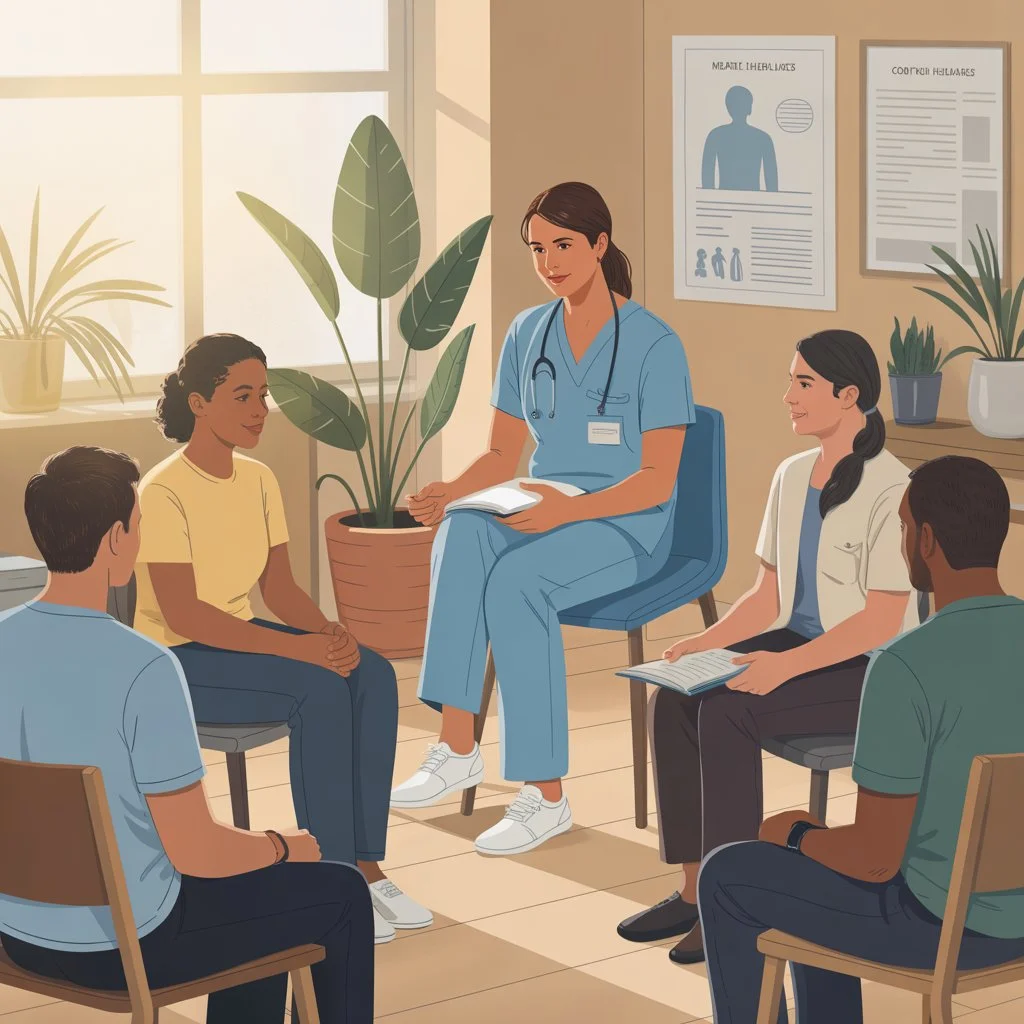
Technical knowledge alone is not enough. A successful mental health technician must have strong relationship-building skills, sharp problem-solving abilities, and deep compassion and empathy for individuals facing difficult mental health challenges.
You must also show flexibility and adaptability. Many employers operate in 24-hour healthcare facilities requiring rotating shifts and occasional evening and night shifts. Emotional resilience and clear communication help you stay steady in high-pressure situations.
Where Do Mental Health Technicians Work?
A mental health technician can work in psychiatric hospitals, rehabilitation centres, or outpatient mental health services. Many begin their careers in structured psychiatric hospital settings where patient needs are more intensive.
Employment also exists in psychiatric and substance abuse hospitals, residential facilities, and state government healthcare jobs. Some professionals work as developmental disability support workers or in community addiction programs as a substance abuse treatment technician.
Mental Health Technician vs Psychiatric Technician vs Aide
The difference between a psychiatric aide vs technician lies mainly in responsibility and education. A behavioural health aide focuses more on daily support tasks such as assisting with hygiene or meals, while technicians handle structured clinical duties.
Technicians often require more formal mental health technician education and may pursue mental health technician certification. Aides usually enter with a high school diploma, while technicians may advance through defined certification levels.
Role Comparison Table:
Role: Psychiatric Aide
Education: High School Diploma
Focus: Basic assistance
Average Pay: Lower range
Role: Psychiatric Technician
Education: Diploma or Associate Degree
Focus: Clinical monitoring and documentation
Average Pay: Moderate
Role: Mental Health Technician
Education: Diploma to Bachelor’s Degree
Focus: Broader clinical support and coordination
Average Pay: Higher
Education and Training Requirements
Minimum mental health technician training requirements often begin with a high school diploma. However, many employers now prefer college coursework in psychology or related fields such as social work education.
Advanced roles may require a bachelor’s degree in behavioural science and documented work experience requirements. Employers frequently provide structured on-the-job training and clinical supervision to strengthen practical skills.

Certification and Licensure Requirements in the USA
Not all states require certification. However, the American Association of Psychiatric Technicians outlines four structured certification levels based on education and experience.
Checking state-specific regulations is essential. Licensing rules vary. Certification can improve job prospects and increase your mental health technician salary over time.
Step-by-Step Guide to Becoming a Mental Health Technician

If you want to learn how to become a mental health technician, start by completing your diploma or GED. Then pursue relevant coursework or training programs.
Next, apply for entry-level mental health jobs in hospitals or treatment centres. Gain experience. With time, you can specialise or expand into advanced healthcare roles.
How Long Does It Take to Become a Mental Health Technician?
The timeline depends on your chosen education path. A high school graduate may begin working within a year. An associate’s degree takes about two years. A bachelor’s program requires four years.
Experience can shorten advancement time. Combining classroom learning with clinical exposure prepares you faster for promotion.
Salary Expectations and Job Outlook in the United States
According to the U.S. Department of Labour and the Bureau of Labour Statistics, the median annual wage for psychiatric technicians was $42,590 in 2024. The lowest ten per cent earned less than $30,920, while the highest exceeded $58,530.
The Occupational Outlook Handbook reports a job growth rate of 13 per cent, faster than average. This strong mental health technician job outlook reflects rising demand for mental health services nationwide.
Career Advancement and Future Opportunities
A long-term mental health career path offers many options. Technicians often advance into nursing, counselling, or case management roles.
Specialising as a substance abuse treatment technician or continuing formal education increases earning potential and leadership opportunities within healthcare systems.
How to Find Mental Health Technician Jobs
Start by searching hospital websites and government portals for mental health facilities jobs. Networking with instructors and supervisors improves your chances.
Highlight hands-on experience in your resume. Employers value clinical exposure and reliability when hiring for this field.
Is a Career as a Mental Health Technician Right for You?
This career fits individuals who care deeply about others and stay calm under pressure. Emotional stability matters.
The work can be demanding. However, helping someone regain stability brings deep satisfaction. If you value purpose and stability, becoming a mental health technician may be the right step forward.