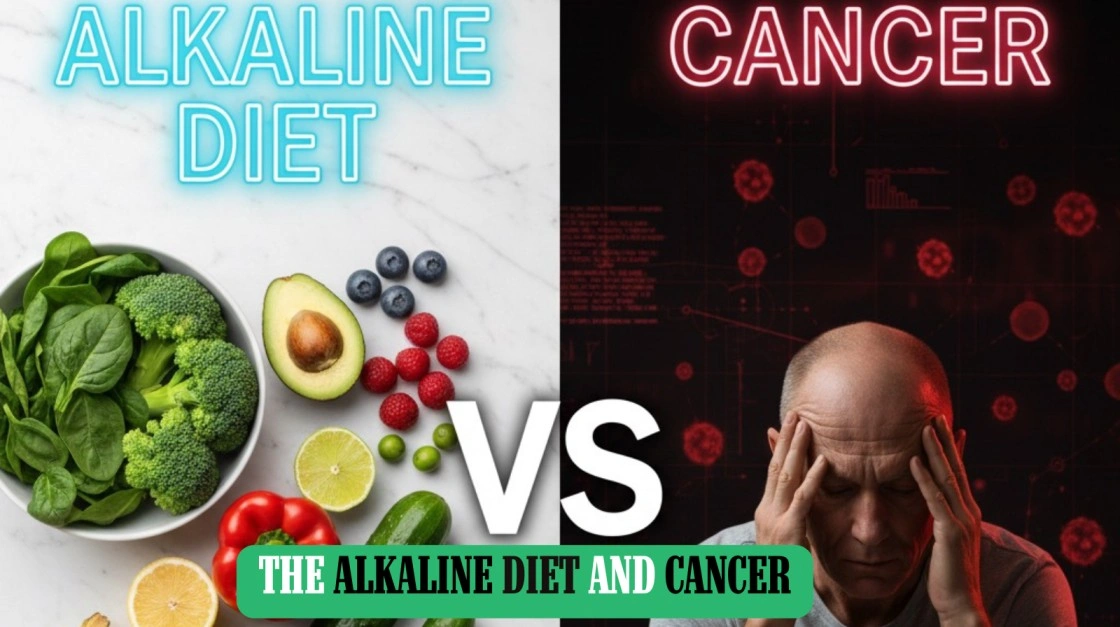
When people first hear that the “alkaline diet” might prevent cancer, it sounds believable. The idea is simple: eat more alkaline foods, avoid acidic ones, and somehow your body becomes a place where cancer cannot grow. It’s a comforting thought, especially when someone is afraid or searching for ways to stay healthy.
But once you look at how the body actually works, the picture becomes very different. The science behind cancer, diet, and body pH is far more complex and much more grounded in biology than social media claims suggest.
Let’s break it down in a clear, honest way.
What Is the Alkaline Diet and How Does It Work?
The origin of the alkaline diet theory
The alkaline diet is built on an old idea called the “acid-ash hypothesis.” It claimed that foods leave either acidic or alkaline “ash” after digestion, which could influence how acidic or alkaline your body becomes.
This sounds logical on the surface, but research over the years has shown something important:
Food cannot change the pH of your blood.
Your body keeps blood pH extremely stable, and no diet can push it out of that range.
Acidic, alkaline, and neutral food categories
The alkaline diet groups foods like this:
Alkaline-forming foods
Fruits, vegetables, legumes, nuts, seeds.
Acid-forming foods
Milk, meat, eggs, grains, processed foods.
Neutral foods
Natural fats, oils, and sugars.
These labels are based on the mineral content of foods, not on how they actually affect blood pH because they don’t.
Why the diet became popular for cancer claims
People began to say that an “acidic body” creates a good environment for cancer, and an “alkaline body” protects you. The idea became popular because it’s simple, gives a sense of control, and feels like an easy fix.
But the truth is:
No scientific evidence supports this claim.
How the Body Regulates pH: The Scientific Reality
Why blood pH cannot be changed through diet
Your blood pH stays between 7.35 and 7.45.
If it moves slightly outside this range, it becomes a medical emergency. Because of that, the body tightly controls pH using systems that have nothing to do with food.
Role of kidneys and lungs in maintaining pH balance
Your:
- kidneys remove acids and bases in urine, and
- lungs control carbon dioxide levels
Together, they keep the pH exactly where it needs to be.
This is why drinking a glass of alkaline water or eating broccoli cannot “alkalize” your bloodstream.
Why urine pH does not reflect body pH
Urine pH changes with food because urine is where the body removes waste. This has nothing to do with how alkaline or acidic your blood or tissues are.
This is why “alkaline urine” does not equal “alkaline body.”
Alkaline vs. Acidic Foods: What the Diet Actually Includes
Alkaline-forming foods
These foods — fruits, veggies, nuts, seeds, legumes — are full of nutrients, fiber, and antioxidants. They are genuinely healthy and support your immune system and overall well-being.
But again, their benefits come from nutrition, not alkalinity.
Acid-forming foods
Foods like meat, grains, eggs, and dairy are labeled “acid-forming” in the diet’s theory. Avoiding them completely can lead to:
- protein deficiency
- calcium deficiency
- low B-vitamin intake
which can be harmful, especially for people recovering from illness.
Plant-based patterns that overlap with the alkaline diet
Many people following an “alkaline lifestyle” actually end up eating something close to a whole-food or plant-based diet. The benefits they see more energy, better digestion, lower inflammation come from eating nutritious foods, not from changing body pH.
Does the Alkaline Diet Prevent or Cure Cancer? What Research Shows
Lack of scientific evidence for cancer prevention
There is no clinical evidence showing that an alkaline diet prevents or cures cancer. Scientists have repeatedly studied this and reached the same conclusion.
Why clinical studies do not support alkaline diet claims
Tumors create acidic environments around themselves because of how cancer cells behave. The acidity happens because of cancer, not because the body is “too acidic.”
Even if you eat alkaline foods all day, you cannot change the acidity inside a tumor.
What leading cancer organizations say
Major cancer organizations including:
- AICR
- MD Anderson
- Cancer Research UK
agree on one point:
The alkaline diet does not prevent cancer.
But they do encourage balanced, plant-forward diets because those eating patterns improve overall health.
Tumor Microenvironment and pH: Myths vs. Scientific Facts
Why cancer cells create an acidic environment
Cancer cells have a different metabolism. They produce more lactic acid, which makes the area around the tumor slightly acidic.
This acidity is the result of cancer not the cause.
Diet cannot alter tumor acidity inside the body
No clinical research shows that eating alkaline foods or drinking alkaline water can change the environment inside a tumor.
Lab studies vs real human biology
Some lab studies show that very high pH can affect cancer cells in test tubes. But real human bodies are nothing like lab dishes. You cannot “alkalize” your tissues without harming yourself.
This is why lab results do not translate into real life.
Potential Health Benefits of an Alkaline-Style Eating Pattern
Even though the pH theory doesn’t hold up, many people feel better on an alkaline-style diet. Here’s why the real reasons:
Benefits of high fruit and vegetable intake
These foods offer:
- antioxidants
- fiber
- vitamins
- minerals
They support immunity and reduce inflammation.
Reduced consumption of processed foods
Eating fewer processed foods means:
- less sugar
- fewer unhealthy fats
- less sodium
This naturally improves health.
Why health improvements aren’t due to alkalinity
Any positive changes people notice come from eating higher-quality foods not from “changing pH.”
Risks and Downsides of Following a Strict Alkaline Diet
Risk of nutrient deficiencies
Removing entire food groups like meat, grains, and dairy can cause:
- low protein
- low B12
- low calcium
This is especially dangerous for:
- older adults
- children
- cancer patients
Protein needs during cancer treatment
Cancer treatment increases protein needs. Cutting protein rich foods can slow recovery and reduce strength.
Misleading reliance on alkaline supplements
Alkaline water, drops, and powders have no proven benefit. They can distract people from evidence-based care.
What Cancer Experts and Major Health Organizations Recommend
Evidence-based guidelines for cancer prevention
The AICR New American Plate suggests:
- half your plate = fruits and vegetables
- one-quarter = whole grains
- one-quarter = lean protein
This approach supports long-term health and reduces risk.
Balanced, plant-forward diets vs restrictive rules
A plant-forward pattern provides benefits without the risk of eliminating important nutrients.
When to consult a professional
Cancer patients or people with special health needs should see:
- a registered dietitian
- an oncologist
not rely on unproven diets.
Common Myths and Misconceptions About the Alkaline Diet
Myth: Diet can change your blood pH
It cannot. Blood pH stays tightly controlled.
Myth: Cancer only grows in “acidic bodies”
Tumor acidity is a result of cancer metabolism.
Myth: Alkaline water prevents cancer
No clinical trials support this.
Healthy, Evidence-Based Eating Tips for Cancer Prevention
Practical ways to build a balanced plate
- Half: fruits and vegetables
- Quarter: whole grains
- Quarter: lean proteins
Proven nutrient-rich foods to include
- berries
- leafy greens
- legumes
- nuts and seeds
- whole grains
- fish, eggs, or poultry
Why moderation and variety matter
Long-term health comes from eating a mix of nutrient-rich foods — not from following strict alkalinity rules.
Conclusion
The alkaline diet encourages eating more whole, plant-based foods, which is great for your health — but the idea that it prevents cancer by changing body pH is simply not true. The body controls blood pH tightly, no matter what you eat. Cancer prevention comes from balanced, evidence-based nutrition, not from trying to eat “alkaline.”
Focusing on whole foods, regular activity, and healthy habits will do far more for your long-term well-being than trying to “alkalize” your body.