
Most people look for the Best Time to Eat Dinner, but they often guess instead of following what the body actually needs. Dinner timing shapes how well you digest food, sleep, and feel the next day. Here’s the thing. A small change in when you eat can steady your stomach, lower heaviness, and help you wake up fresh. This guide breaks down the best way to set your evening routine.

Table of Contents
Key takeaways
- Early dinner supports smooth digestion and better sleep.
- The Best Time to Eat Dinner is usually early in the evening.
- A 2–3 hour gap before bed works best.
- Light meals keep your stomach calm at night.
- Meal timing supports your body clock and hormones.
Why Meal Timing Matters for Your Body
Your gut slows down at night.
Late meals tend to sit longer and cause heaviness.
Your body also releases melatonin near bedtime, which slows digestion even more.
Eating early reduces this clash and helps your system work with your natural rhythm.
How Early Dinner Helps Digestion and Sleep
Early meals give your stomach time to work before bed.
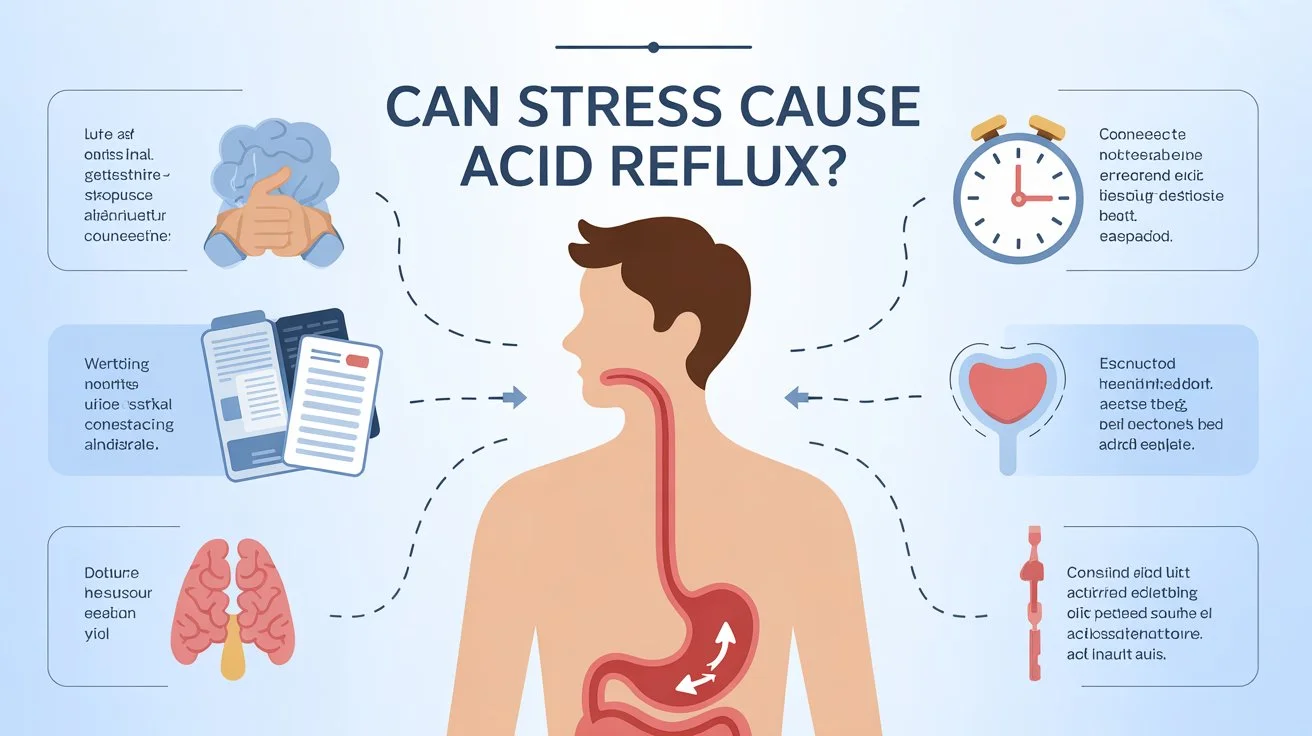
This cuts gas, bloating, and acid reflux.
You fall asleep faster and wake up clearer.
People who follow an early routine often feel lighter in the morning.
Best Dinner Time for Most People
The Best Time to Eat Dinner for most people is 6 pm to 7:30 pm.
It supports digestion and fits most daily schedules.
If you sleep late, you can shift it a bit, but earlier still works better.
How Many Hours Before Sleep You Should Eat
Aim for 2–3 hours between dinner and sleep.
This simple gap helps your stomach settle before you lie down.
Shorter gaps often cause discomfort at night.
Why a Gap Between Dinner and Sleep Helps Your Health
Lying down right after eating often triggers acid movement toward the throat.
A proper gap lowers reflux and helps blood sugar stay stable.
It also prevents late-night hunger spikes.
How Long You Should Wait After Dinner Before Going to Bed
Follow this easy path:
Have dinner → relax → short walk → unwind → sleep.
Waiting 2–3 hours keeps digestion smooth and sleep steady.

What Ayurveda Says About Night Meals
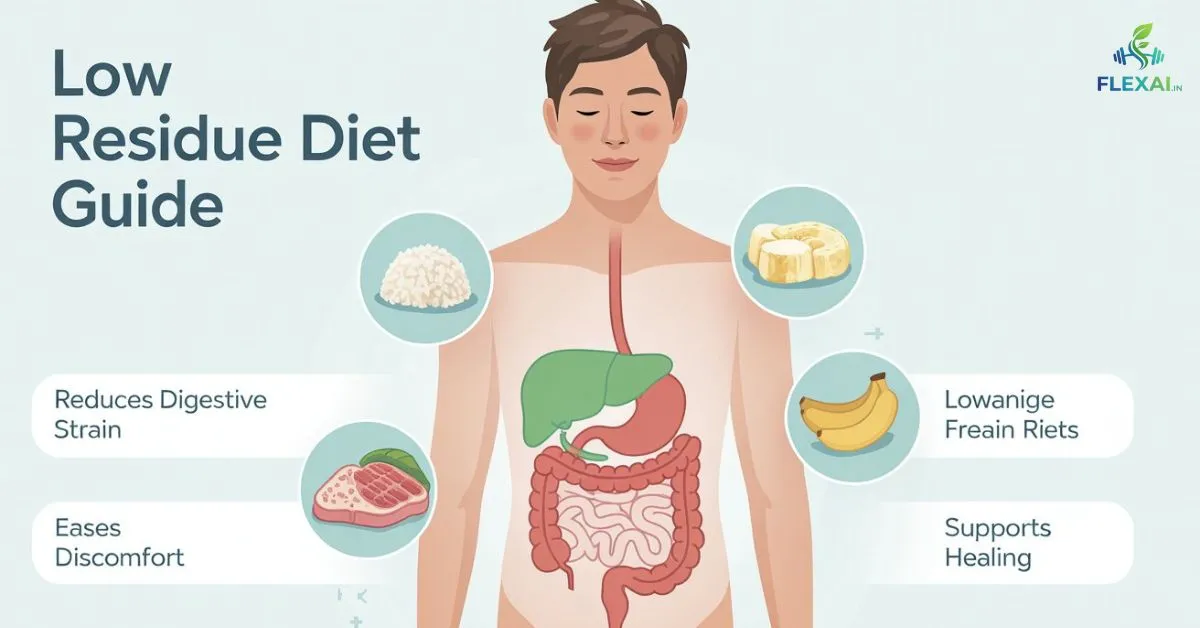
Ayurveda suggests eating dinner early and keeping it light.
Warm, simple food supports the body at night.
Soups, dal, khichdi, and steamed vegetables work best.
Heavy or cold meals slow digestion at night.
Best Foods to Eat at Night for Easy Digestion
- Warm soup
- Dal and rice
- Khichdi
- Steamed vegetables
- Light roti with sabzi
- Oats with warm milk
- Moong dal cheela
These foods settle well and help your stomach rest.
Foods You Should Avoid at Night
Skip items that irritate digestion or boost energy too late:
- Fried food
- Red meat
- Pizza and burgers
- Sweets
- Ice cream
- Spicy food
- Caffeine
These often trigger discomfort and poor sleep.
How Dinner Time Affects Your Body Clock
Your body follows a daily rhythm that guides hunger and rest.
Late meals confuse this rhythm and keep the gut active when it should slow down.
Eating early sends a clear signal that the day is ending.
Simple Tips to Match Your Dinner Time With Your Body Clock
- Keep a steady dinner time.
- Prep meals early to avoid delays.
- Make dinner lighter than lunch.
- Avoid screens so you finish on time.
- Eat a small snack earlier if needed.
Easy Ways to Fix Your Evening Routine
- Cook before you get tired.
- Keep dinner simple on busy days.
- Walk for 10 minutes after eating.
- Drink warm water instead of cold drinks.
- Stick to a steady bedtime.
- Also Read

FAQ
Is 10 pm dinner fine?
It works for some, but it often harms digestion.
Can students eat late?
Yes, but keep food light and portions small.
What about night shift workers?
Eat your main meal early in your shift and keep the last meal light.