
Not having gym equipment should never stop you from training effectively. With the right approach, you can transform any small space into your own workout zone. Bodyweight exercises not only build strength but also improve balance, endurance, and flexibility. The key lies in training smart using technique, consistency, and creativity to reach your fitness goals from home.
Key Takeaways on Home Workout Strategy
- Bodyweight workouts can replace traditional gym training if performed with proper form and intensity.
- Focus on compound movements like squats, lunges, and push-ups to target multiple muscle groups.
- Use progression and variation to increase difficulty without needing equipment.
- Combine strength and cardio for a complete, balanced workout routine.
- Household items can be used to add resistance and keep training challenging.
1. Why Bodyweight Workouts Are Highly Effective
Bodyweight training uses your own weight as resistance, building both strength and stability. Unlike machine workouts that isolate muscles, these movements activate multiple groups at once. This improves coordination and helps prevent injury by engaging stabilizing muscles.
Another major advantage is accessibility. You can exercise anywhere your room, balcony, or park without needing space or tools. This flexibility makes it easier to stay consistent, which is the real foundation of long-term fitness progress.
Lastly, bodyweight exercises enhance core engagement in every move. Whether it’s a plank or a push-up, your midsection works constantly to stabilize the body. Over time, this leads to better posture, balance, and overall control.
2. The Core Home Workout Routine
A smart home workout doesn’t need machines. A mix of upper, lower, and full-body exercises ensures balanced strength. Here’s a simple yet powerful list of no-equipment workouts you can include in your plan.
| Exercise | Primary Focus | Key Tip |
|---|---|---|
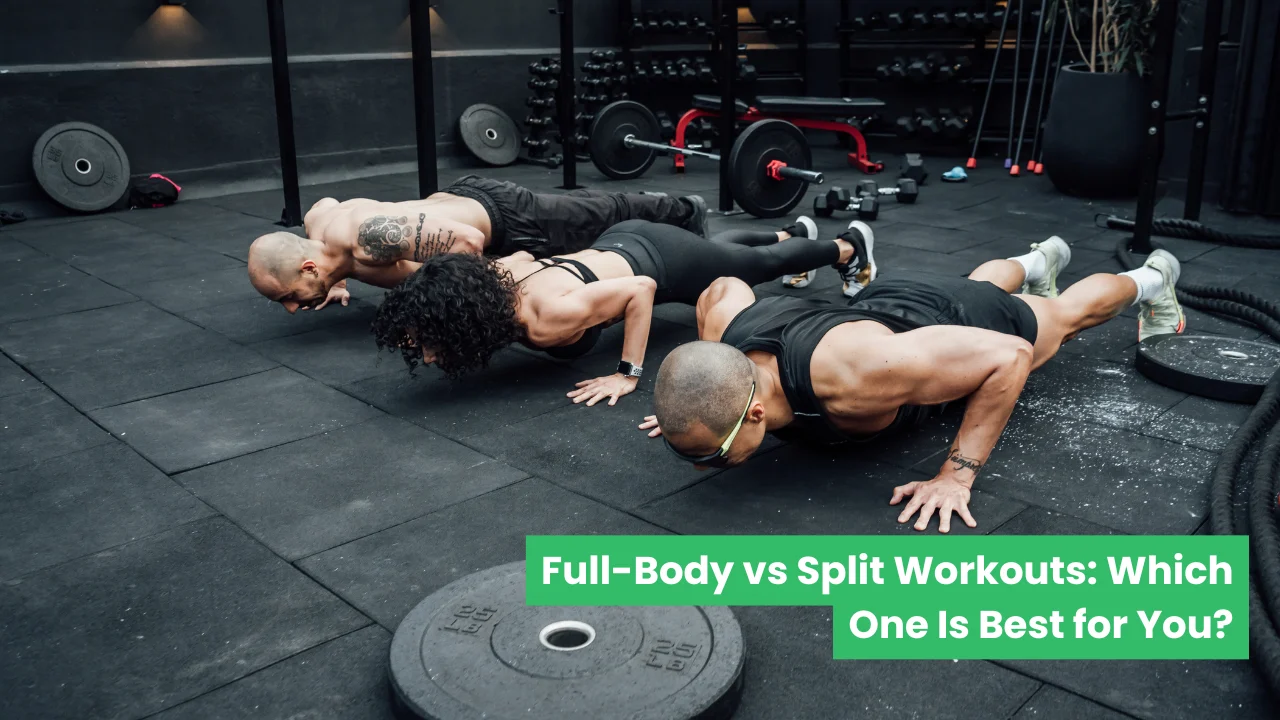
| Push-ups | Chest, triceps, shoulders | Keep your core tight and body straight |
| Squats | Legs, glutes | Go low enough to activate all leg muscles |
| Lunges | Quads, hamstrings, glutes | Step long and keep knees aligned |
| Planks | Core, back, arms | Hold steady and breathe evenly |
| Burpees | Full body, cardio | Land softly and maintain rhythm |
| Glute Bridge | Glutes, lower back | Squeeze at the top for full engagement |
Each move can be adjusted to match your level. Beginners can start slow with fewer repetitions. Advanced users can increase sets, reduce rest time, or add pulses for extra intensity.
Performing these exercises in circuits keeps your heart rate high and boosts calorie burn. For example, complete three rounds of squats, push-ups, lunges, and planks with 30 seconds of rest between sets. This creates both strength and endurance without equipment.
3. Make Workouts Harder Without Weights
As your body adapts, you’ll need to increase the challenge to continue seeing progress. Small adjustments can make a big difference. Try slowing down the tempo take five seconds to lower in a squat, pause, then rise quickly. This increases time under tension and muscle engagement.
Adding pulses or isometric holds also helps. Holding the bottom of a push-up for two seconds or pulsing in a squat activates more muscle fibers. These techniques replicate resistance training benefits using only your bodyweight.
If you want extra resistance, household items can fill the gap. Water bottles, filled backpacks, or detergent cans can act as makeshift dumbbells. Their uneven shapes also work your stabilizing muscles, improving grip and balance naturally.
4. Combine Strength and Cardio for Best Results
A good workout balances muscle building and heart health. You can easily include cardio without any machines. High-intensity moves like jump squats, high knees, or mountain climbers boost endurance and burn fat effectively.
An example of a short yet powerful routine:
- 20 squats
- 15 push-ups
- 20 lunges
- 30 seconds of mountain climbers
- 10 burpees
Repeat this circuit three to four times with short breaks in between. It builds both strength and stamina in under 25 minutes. The best part is that these workouts adapt easily you can extend sets or reduce rest periods as you improve.
Consistency matters more than perfection. Even short sessions done regularly can show results within weeks. Focus on good form and controlled movement instead of speed.
5. Safety and Progress Tracking
Before starting, warm up with light stretching to loosen the muscles. Post-workout, do gentle cooldown stretches to prevent stiffness. Over time, increase your repetitions and note improvements in endurance or strength. Tracking small progress keeps you motivated.
If you have any medical conditions, consult a health expert before starting. Pairing workouts with balanced nutrition and rest will help maintain steady progress and prevent burnout.
Conclusion
Training without equipment is not a compromise it’s a smart, sustainable way to stay fit. By using your body as resistance, you can gain strength, flexibility, and endurance anywhere. Stick to your plan, track your progress, and keep challenging yourself. The only equipment you truly need is your own determination.