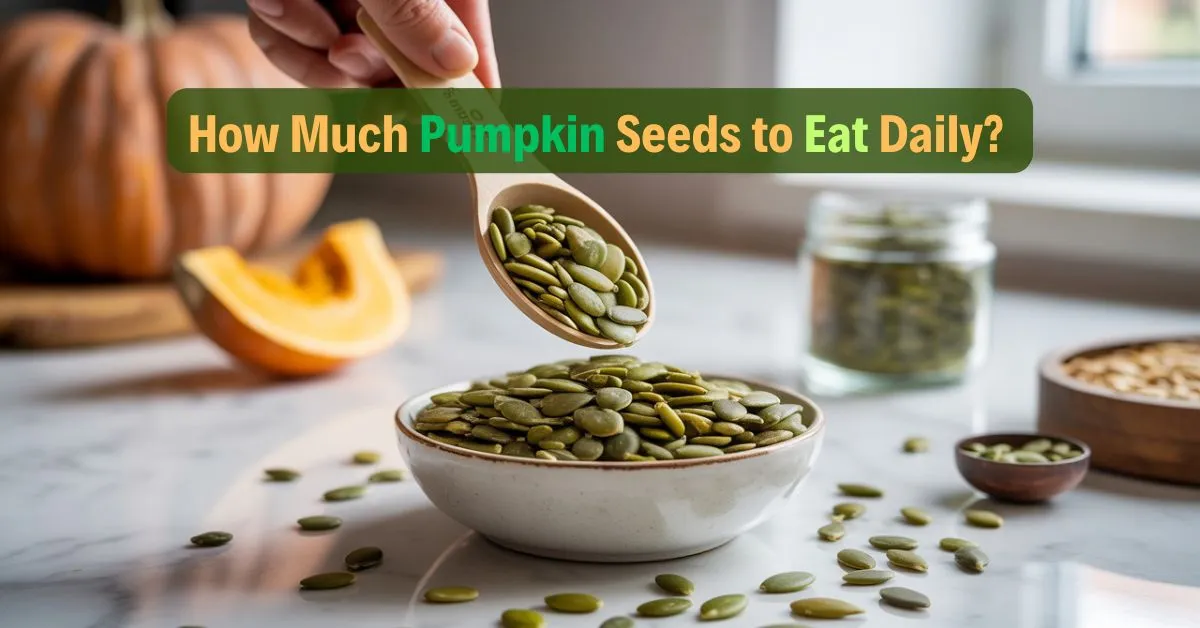
How much pumpkin seeds to eat daily is a common question among health-conscious people worldwide. Pumpkin seeds, often called pepitas, may be small, but they are packed with powerful nutrition. Popular across North America, Europe, Asia, and Australia, these seeds support heart health, digestion, sleep, and overall wellness-making portion size especially important to avoid excess calories.
Just one extra spoonful can turn this healthy snack into a hidden calorie trap so knowing the right daily amount makes all the difference.

Table of Contents
Key Takeaways.
- ✅ Ideal daily amount: 1–2 tablespoons (20–30 g)
- ⚖️ For weight management: Stick to ~1 tablespoon
- 💪 For fitness & men’s health: Up to 30 g daily
- 🌙 For sleep: Small portion in the evening may help
- 🥗 Best form: Raw or lightly dry-roasted
- ⚠️ Avoid excess: Regularly eating over 40 g may cause side effects
Bottom line: Pumpkin seeds are a nutritious, globally loved superfood. Enjoy them daily in the right portion to gain benefits without extra calories.
What Are Pumpkin Seeds?
Pumpkin seeds are the edible seeds found inside pumpkins. Once shelled, they are flat, oval, and green. You can enjoy them raw, dry-roasted, or lightly salted, and they’re commonly added to salads, soups, yoghurt bowls, smoothies, and trail mixes worldwide.
They are especially rich in:
- Plant-based protein
- Healthy fats
- Magnesium (muscle, sleep, stress support)
- Zinc (immunity and hormone support)
- Iron and antioxidants
Because pumpkin seeds are nutrient-dense and calorie-dense, portion control is important.
How Much Pumpkin Seeds to Eat Daily?
For most healthy adults, the recommended intake is:
- 20–30 grams per day
- About 1–2 tablespoons or a small handful
- Roughly 120–170 calories
Most adults can safely eat 1–2 tablespoons (20–30 g) of pumpkin seeds daily as part of a balanced diet.
Recommended Daily Intake by Health Goal.
General Health
- 20–30 g daily
- Supports heart health, digestion, immunity, and energy
Weight Management
- 15–20 g (≈1 tablespoon)
- Helps control appetite due to protein and healthy fats
Fitness & Active Lifestyles
- 25–30 g daily
- Supports muscle recovery and reduces cramps (magnesium, zinc)
Older Adults
- 15–20 g daily
- Easier to digest while still providing essential minerals.
Nutrition Table: Pumpkin Seeds (Per 28 g / 1 oz)
| Nutrient | Amount |
|---|---|
| Calories | ~160 kcal |
| Protein | 7–8 g |
| Total Fat | 13–14 g |
| Healthy Fats | ~10 g |
| Carbohydrates | 4–5 g |
| Fibre | ~1.7 g |
| Magnesium | ~150 mg (≈37% RDA) |
| Zinc | ~2.2 mg (≈20% RDA) |
| Iron | ~2.5 mg (≈14% RDA) |
| Potassium | ~230 mg |
Why it matters: Pumpkin seeds are one of the best natural sources of magnesium, a mineral many people worldwide don’t get enough of.

How Many Pumpkin Seeds Should You Eat Daily for Weight Loss.
Pumpkin seeds can fit into a weight-loss plan when eaten mindfully.
- Ideal amount: 1 tablespoon (15–20 g)
- Why they help: Proteins and fats increase satiety and reduce cravings
- How to eat: Add to salads, soups, yoghurt, or eat plain
Avoid heavily salted or oil-roasted versions if weight loss is your goal.
Pumpkin Seeds for Muscle Gain & Fitness
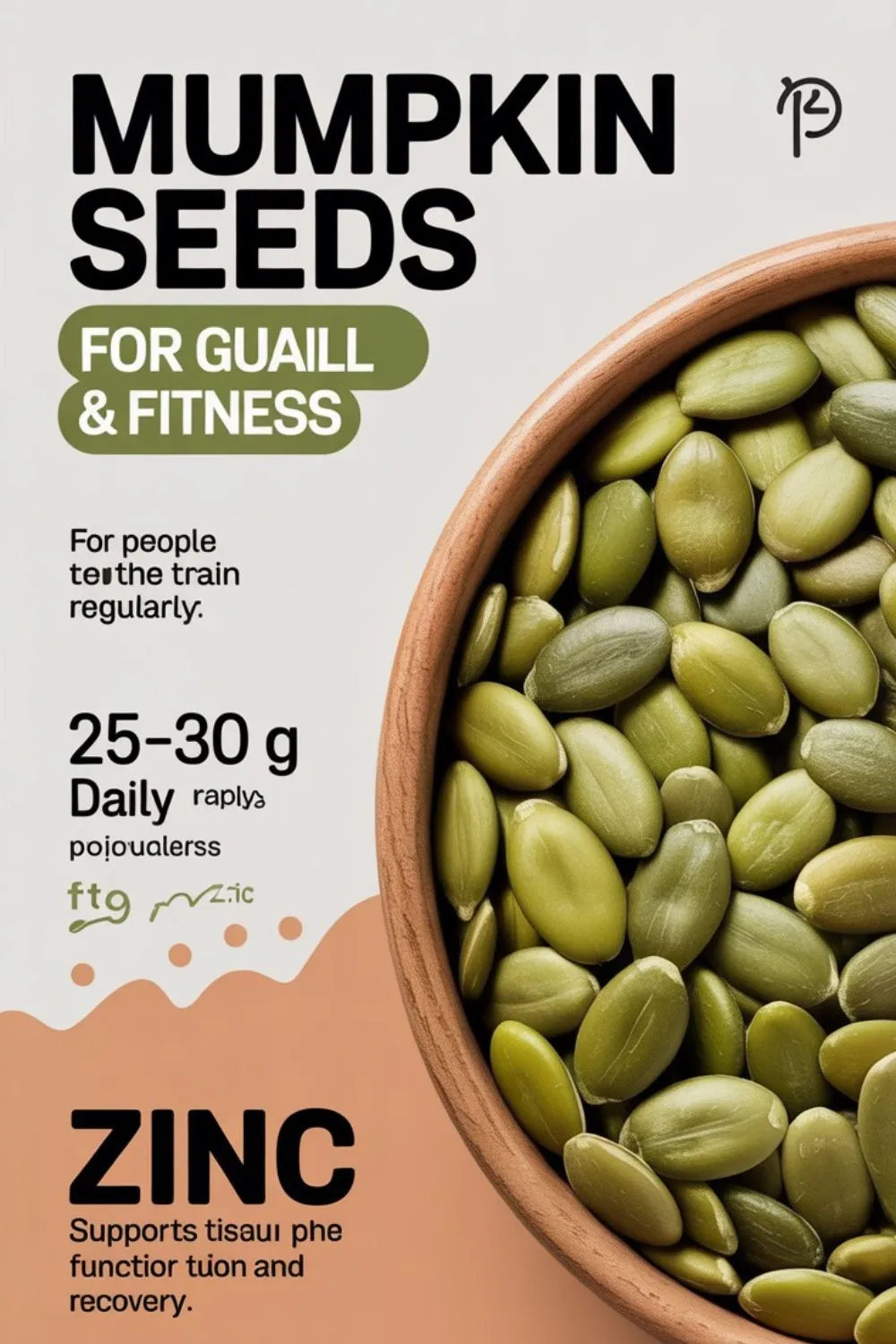
For people who train regularly:
- 25–30 g daily
- Provides minerals that support muscle function and recovery
- Zinc supports tissue repair
Tip: Combine pumpkin seeds with carbohydrates (fruit or oats) after workouts.
Daily Pumpkin Seeds Intake for Women
Pumpkin seeds are beneficial for women’s health due to their mineral profile.
- Recommended: 20–25 g daily
- Benefits:
- Supports hormonal balance
- Helpful in PCOS-friendly diets
- Improves skin and hair health
- Iron helps maintain energy levels
Magnesium may also help ease PMS discomfort.
Pumpkin Seeds Intake for Men
Pumpkin seeds are widely consumed by men for:
- Prostate health support
- Zinc intake linked to testosterone and fertility
- Recommended: 25–30 g daily
Best Time to Eat Pumpkin Seeds
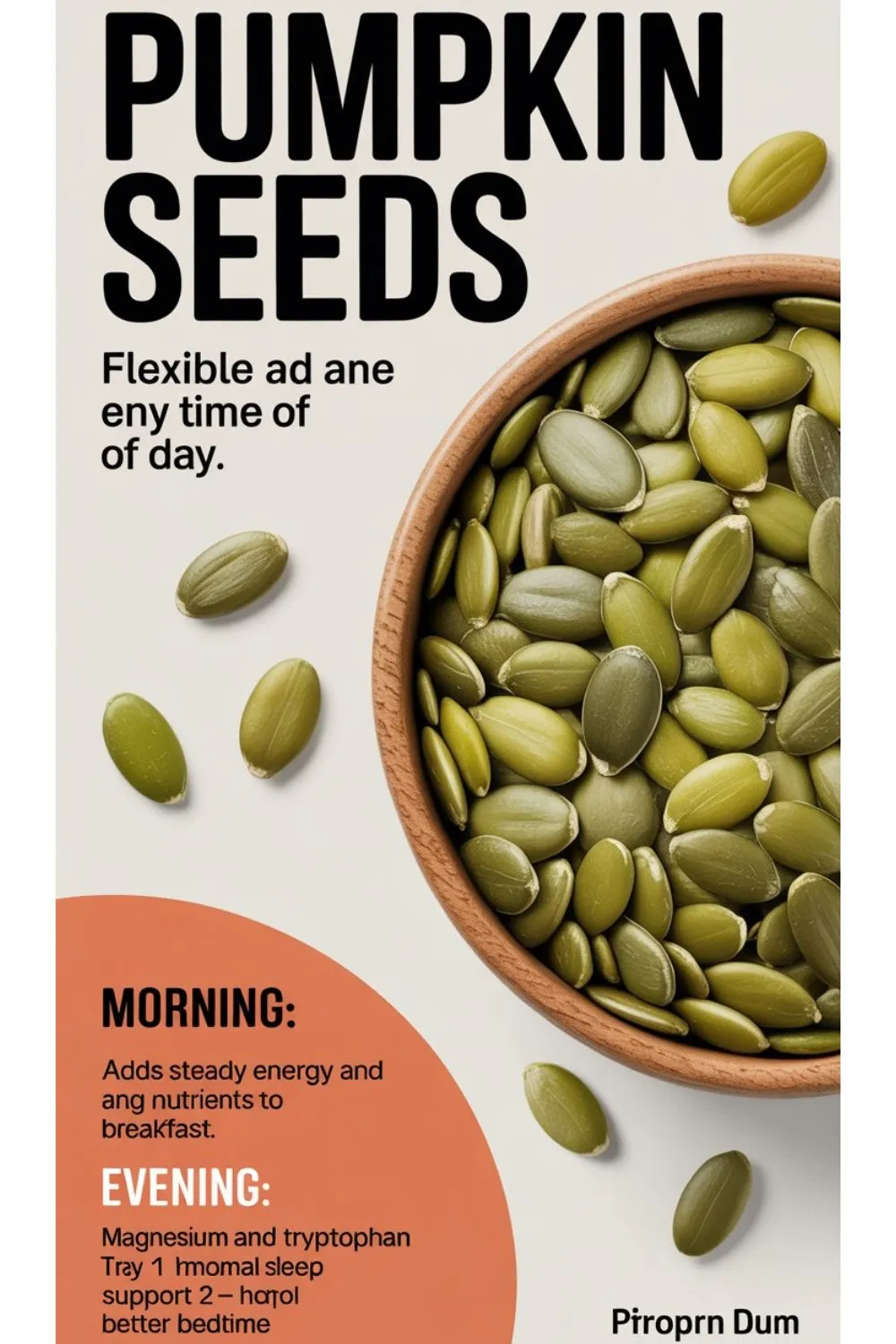
Pumpkin seeds are flexible and can be eaten any time of day.
- Morning: Adds steady energy and nutrients to breakfast
- Evening: Magnesium and tryptophan may support better sleep
- Try 1 tablespoon 1–2 hours before bedtime
They can be eaten with meals or on an empty stomach, depending on personal digestion.
Raw vs Roasted Pumpkin Seeds
Raw pumpkin seeds
- Retain maximum nutrients
- No added sodium
- Best for daily use
‘Roasted pumpkin seeds‘
- Crunchier and more flavourful
- Possible nutrient loss at high heat
- Check salt and oil content
Best option: Raw or lightly dry-roasted seeds.
Health Benefits of Eating Pumpkin Seeds Daily
With regular, moderate intake, pumpkin seeds may:
- Support heart health
- Improve digestion
- Strengthen immune function
- Help regulate blood sugar
- Promote better sleep
- Reduce inflammation
- Support bones and muscles
Side Effects of Eating Too Many Pumpkin Seeds
Overconsumption may lead to:
- Excess calorie intake and weight gain
- Bloating or gas
- Digestive discomfort
- High sodium intake (salted varieties)
Practical upper limit: Avoid exceeding 40 g per day regularly.
Who Should Limit Pumpkin Seeds?
You may need to limit intake if you:
- Have seed allergies
- Experience digestive sensitivity
- Are you following a strict low-calorie diet
Introduce pumpkin seeds gradually if new to your diet.

FAQs.
How many pumpkin seeds should I eat daily?
Most healthy adults should eat 1–2 tablespoons (20–30 grams) of pumpkin seeds daily. This amount provides health benefits without adding too many calories.
Is it safe to eat pumpkin seeds every day?
Yes, it is safe to eat pumpkin seeds every day when consumed in moderation. Daily intake supports heart health, digestion, and overall wellness.
How many calories are in pumpkin seeds per day?
One tablespoon of pumpkin seeds contains about 55–60 calories, while two tablespoons provide roughly 120–170 calories, depending on preparation.
Can eating pumpkin seeds help with weight loss?
Pumpkin seeds can support weight loss when eaten in small portions. Their protein and healthy fats help control hunger, but overeating may slow progress due to high calorie content.
What is the best time to eat pumpkin seeds?
Pumpkin seeds can be eaten at any time of day. Morning intake supports energy and digestion, while eating them in the evening may help promote better sleep due to magnesium content.
Should pumpkin seeds be eaten raw or roasted?
Raw or lightly dry-roasted pumpkin seeds are best for daily consumption. Heavily roasted or salted seeds may contain added oils and sodium.
How many pumpkin seeds should I eat for better sleep?
For sleep support, 1 tablespoon of pumpkin seeds in the evening is enough. They contain magnesium and tryptophan, which may help relaxation.
Are pumpkin seeds good for men and women?
Yes, pumpkin seeds benefit both men and women. They support prostate health in men and hormonal balance, skin, and hair health in women.
Can eating too many pumpkin seeds be harmful?
Yes, overeating pumpkin seeds may cause bloating, digestive discomfort, or weight gain due to excess calories. Avoid consuming more than 40 grams daily on a regular basis.
Do pumpkin seeds contain protein?
Yes, pumpkin seeds are a good plant-based protein source, providing about 7–8 grams of protein per ounce (28 g).
Are pumpkin seeds suitable for a vegan or vegetarian diet?
Absolutely. Pumpkin seeds are naturally vegan, gluten-free, and suitable for vegetarian and plant-based diets.
How should pumpkin seeds be stored?
Store pumpkin seeds in an airtight container in a cool, dry place. Refrigeration helps maintain freshness for longer periods.