
Life feels full most days. Work, messages, noise, and constant movement can leave the mind restless. Many readers ask how to reduce stress and anxiety while still enjoying their home and daily routines. You might love beautiful interiors but live in a small space that does not always feel calm. That tension is common. The good news is that comfort is not about size or perfection. It comes from thoughtful choices that help the body slow down. Soft light, clear surfaces, and steady rhythms can quietly support your mood. Learning how to reduce stress and anxiety does not need rigid rules. It can grow from simple habits that feel natural and kind.
Table of Contents
Key takeaways
• Calm comes from small daily choices, not major changes.
• Your home environment directly affects stress and emotional balance.
• Soft lighting and clear surfaces help the nervous system relax.
• Simple routines create a sense of safety and predictability.
• Stress often settles in the body, so gentle movement matters.
• Mindful eating supports steady mood and energy levels.
• Natural elements bring quiet comfort into everyday spaces.
• Protecting sleep improves how well you handle stress.
• Silence and low noise help the mind slow down.
• Learning how to reduce stress and anxiety works best with consistency.
1. How to reduce stress and anxiety with softer light at home
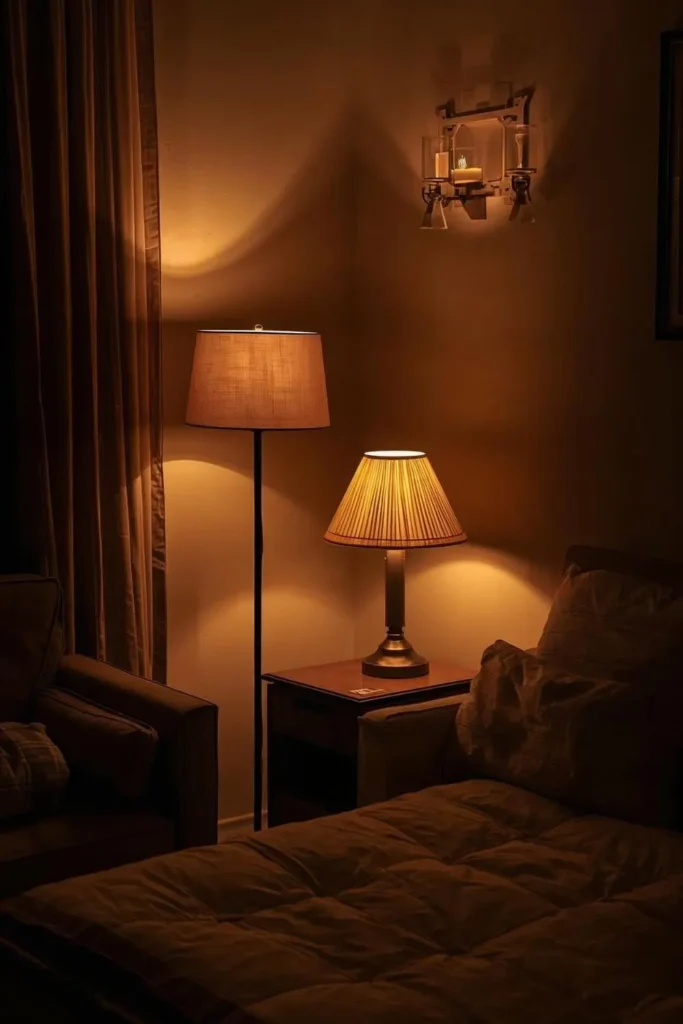
Lighting shapes mood more than most people expect. Bright overhead lights can keep the body alert when it wants rest. One way to explore how to reduce stress and anxiety is to soften the glow in your space. Use table lamps or floor lamps with warm bulbs. Place them near seating or beside the bed. This gentle light helps the nervous system relax. In small rooms, layered lighting also adds depth and calm. It creates a feeling of evening even during busy days and supports how to relieve stress quickly at home.
2. How to reduce stress and anxiety by clearing visual noise
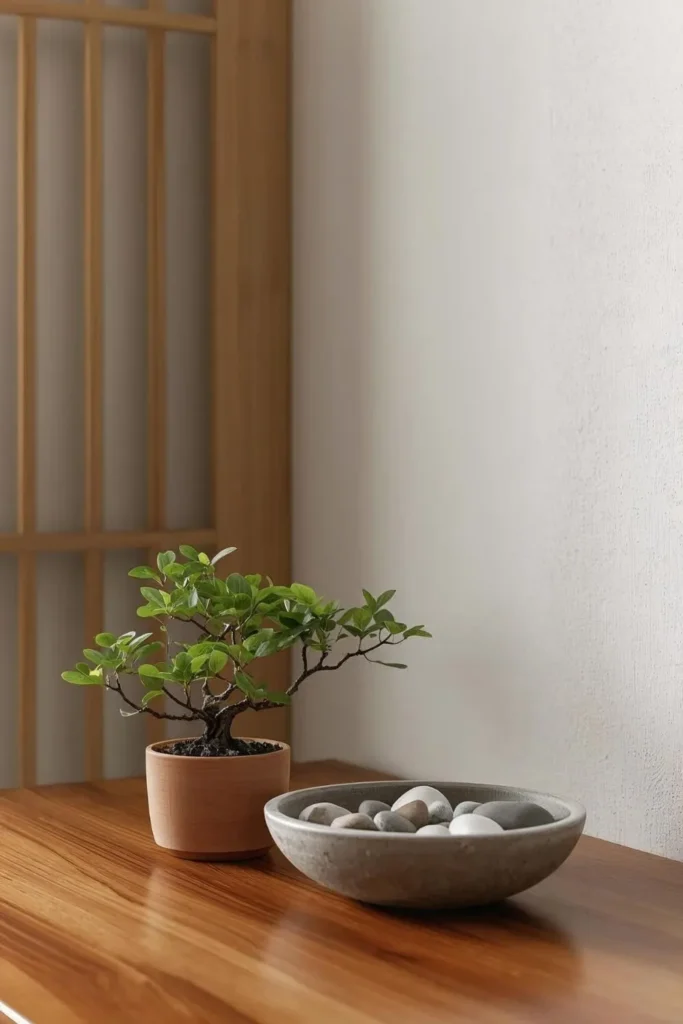
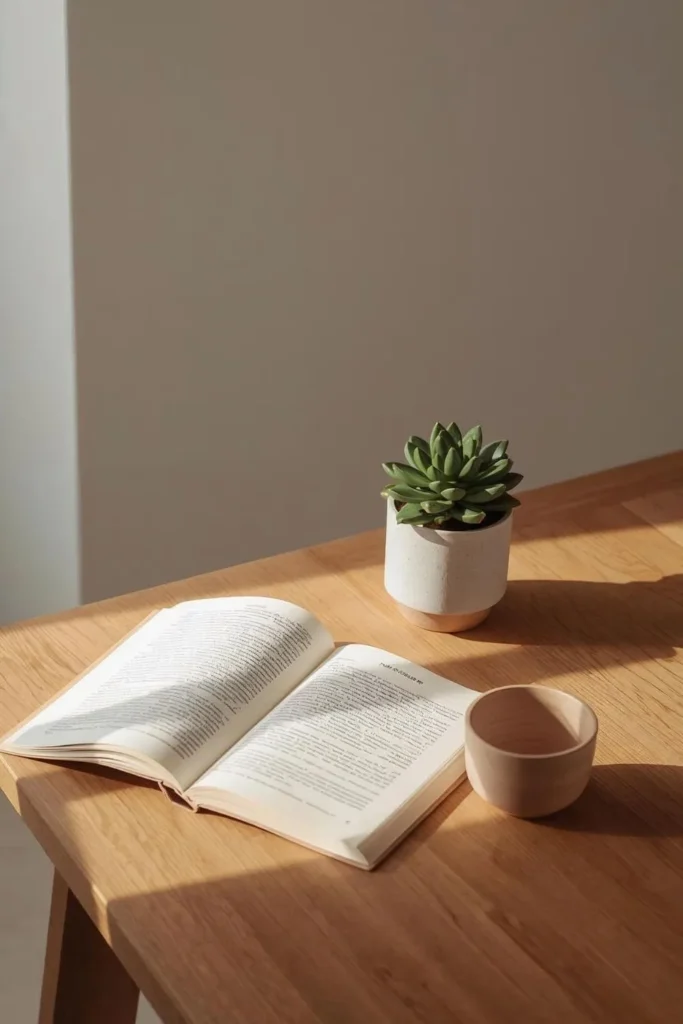
Clutter creates quiet pressure. Even when you ignore it, your mind keeps track. When thinking about how to reduce stress and anxiety, start with one surface. Clear a table or shelf and leave only what you truly use. A book, a plant, or a ceramic bowl is enough. This visual pause gives your eyes a place to rest. It also helps the body release tension. Many people looking for how to reduce anxiety in body notice relief when their space feels open and intentional.
3. How to reduce stress and anxiety through gentle movement
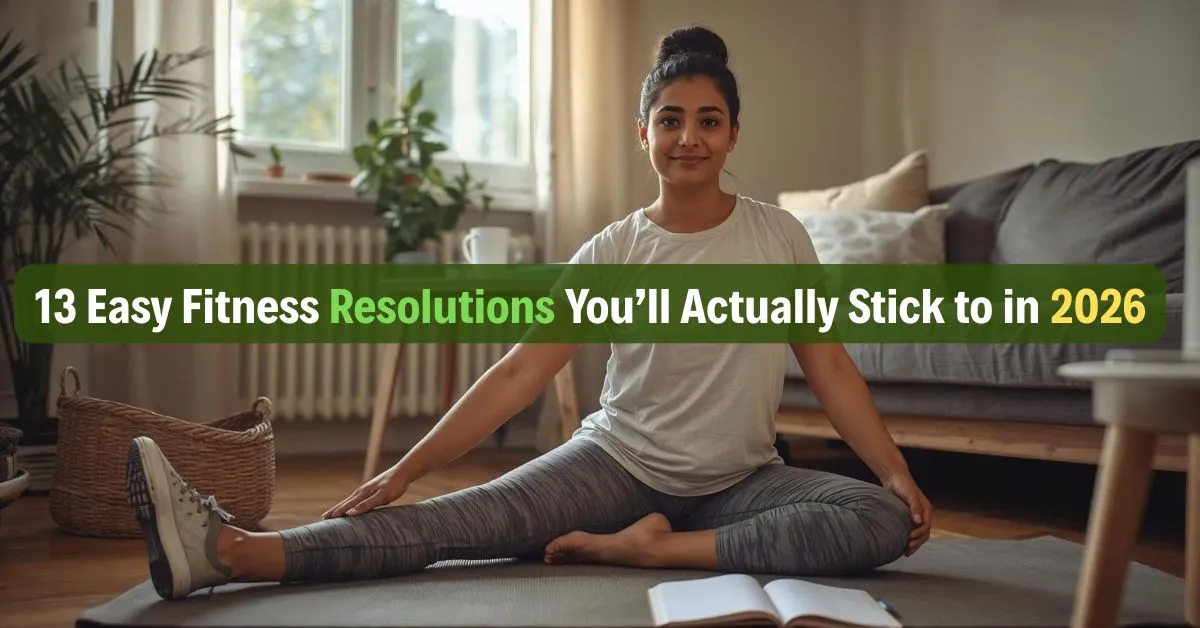
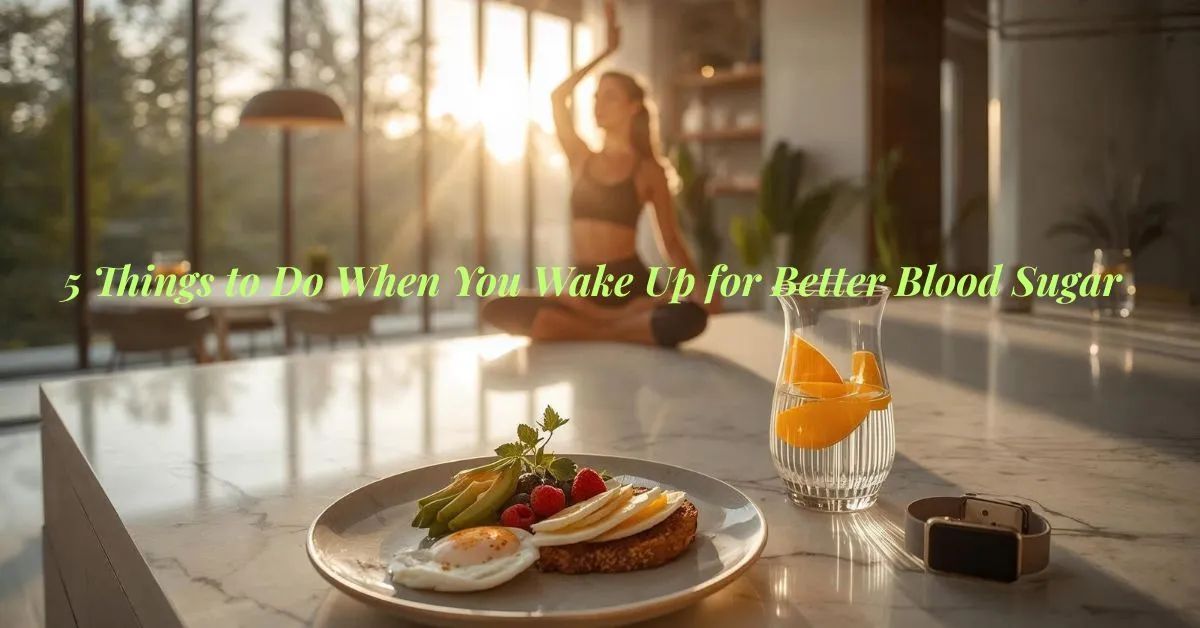
The body often holds stress without asking. Tight shoulders and stiff hips are common signs. Learning how to reduce stress and anxiety includes paying attention to these signals. Gentle stretches in the morning or evening can help. Roll your shoulders or stretch your arms near a window. Movement does not need to be intense. Soft rugs and open floor space invite this habit. These moments support ways to calm anxiety attack feelings by bringing awareness back into the body.
4. How to reduce stress and anxiety with calm daily rituals
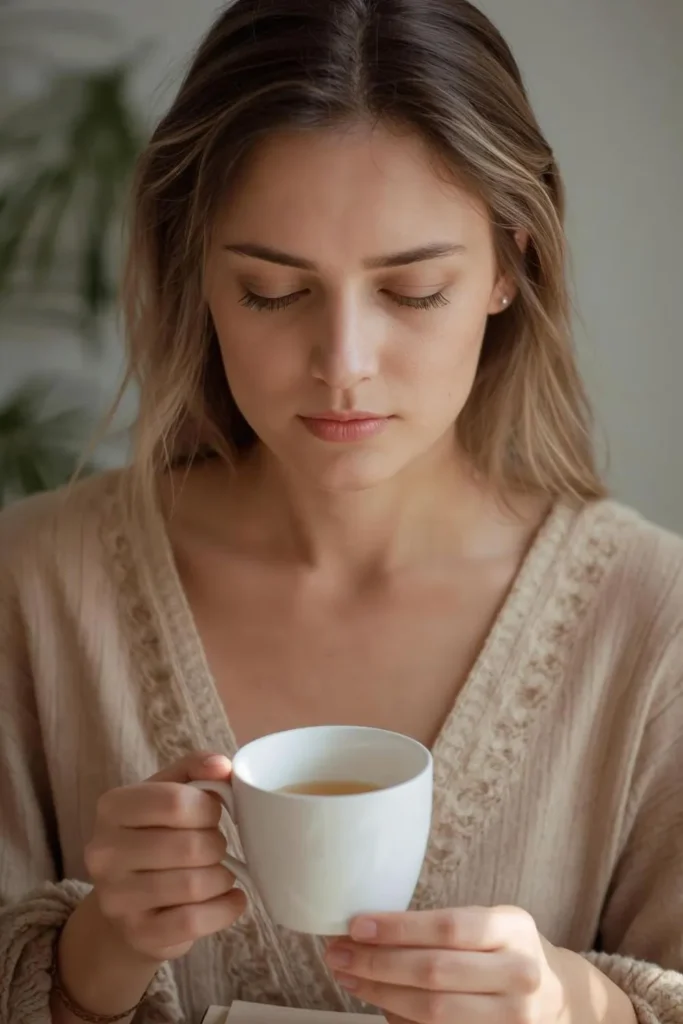
Routines offer comfort when life feels scattered. A small ritual can steady your day. To understand how to reduce stress and anxiety, choose one habit you repeat at the same time daily. This could be a quiet cup of tea or a few minutes of journaling. These moments are especially helpful for how to relieve stress and anxiety for a woman balancing many roles. Rituals bring order without pressure. Over time, they become a reliable source of calm.
5. How to reduce stress and anxiety through mindful eating
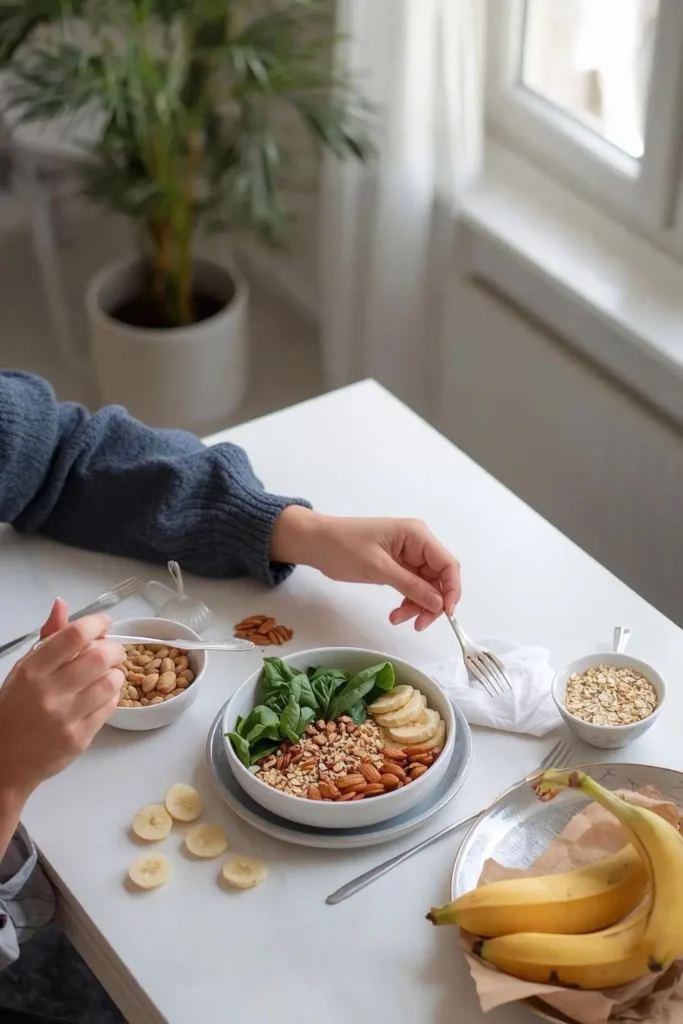
Food affects mood in subtle ways. Skipping meals or eating quickly can increase tension. Exploring how to reduce stress and anxiety includes slowing down during meals. Sit at a clear table and eat without screens when possible. Foods that reduce anxiety fast include oats, nuts, seeds, bananas, and leafy greens. Warm meals help the body feel supported. This gentle care also supports how to relieve stress and depression by keeping energy steady throughout the day.
6. How to reduce stress and anxiety by bringing nature indoors
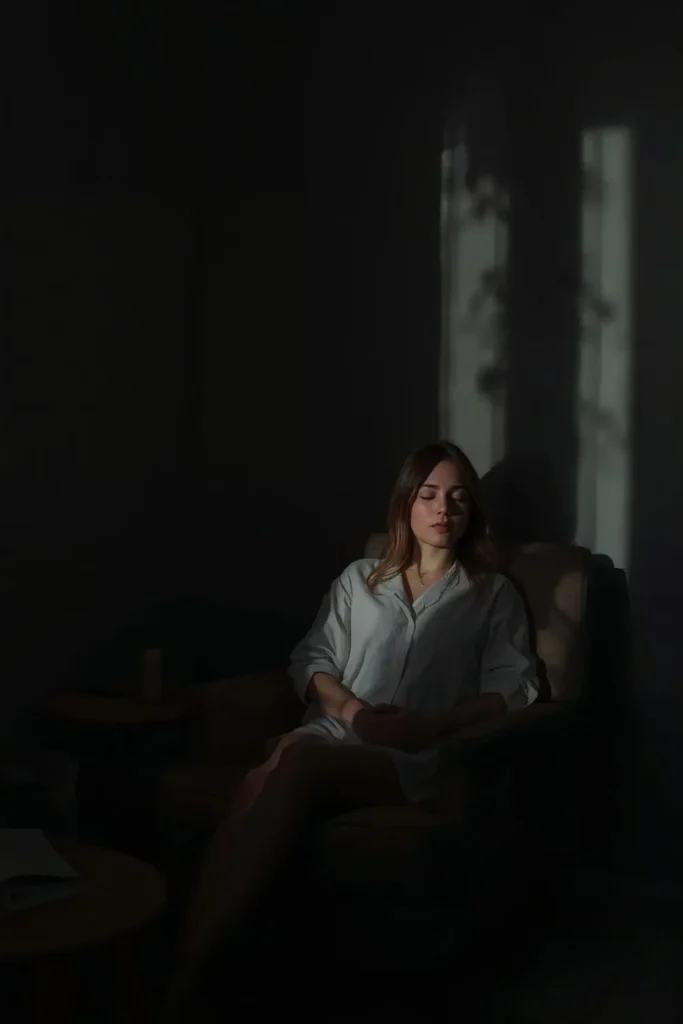
Nature has a quiet calming effect. Even small touches can help. When practicing how to reduce stress and anxiety, add one natural element to your space. A plant, wooden tray, or stone bowl works well. Natural textures soften the room and ground the mind. Japanese inspired spaces often use this approach. These details support how to relieve anxiety and stress naturally by creating balance without clutter.

7. How to reduce stress and anxiety by protecting rest spaces
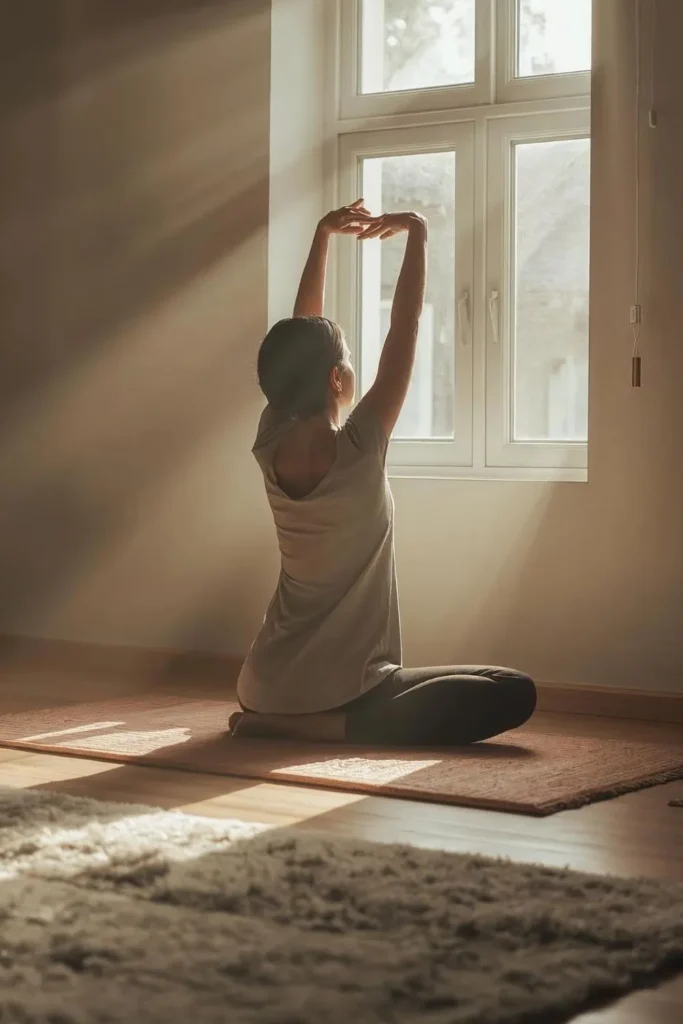
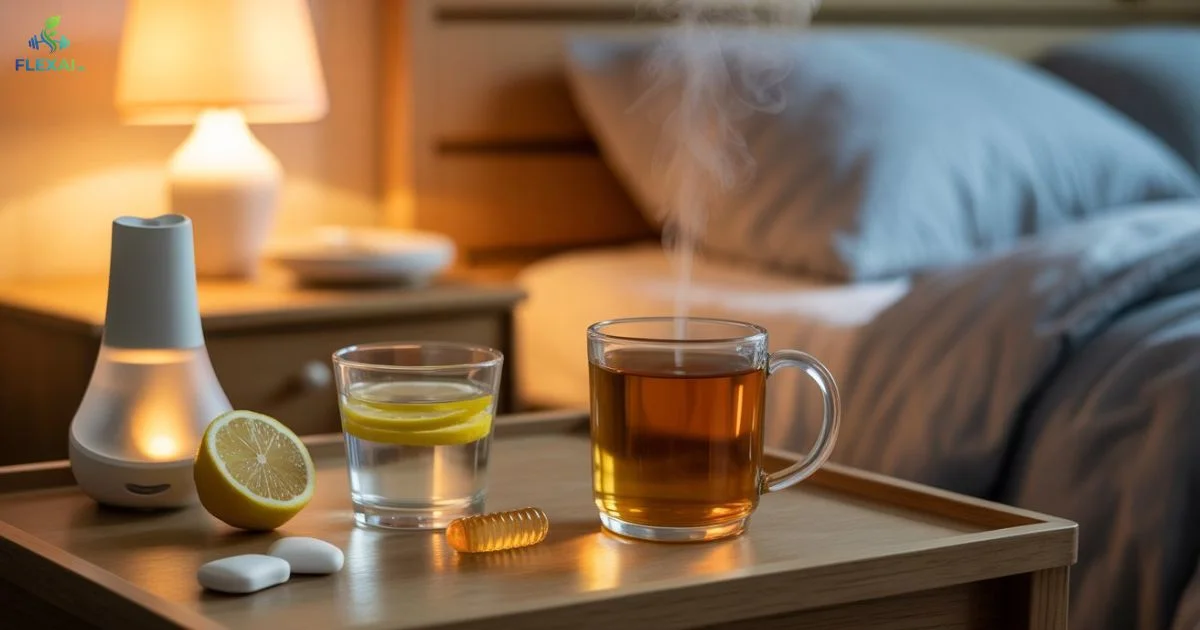
Sleep and calm are closely linked. A busy bedroom makes rest harder. Learning how to reduce stress and anxiety includes protecting your sleep space. Keep work items out of sight. Use soft bedding in light tones. Close curtains at night to reduce visual noise. These changes help the body relax before sleep. Over time, better rest supports emotional balance and resilience.
8. How to reduce stress and anxiety through quiet moments
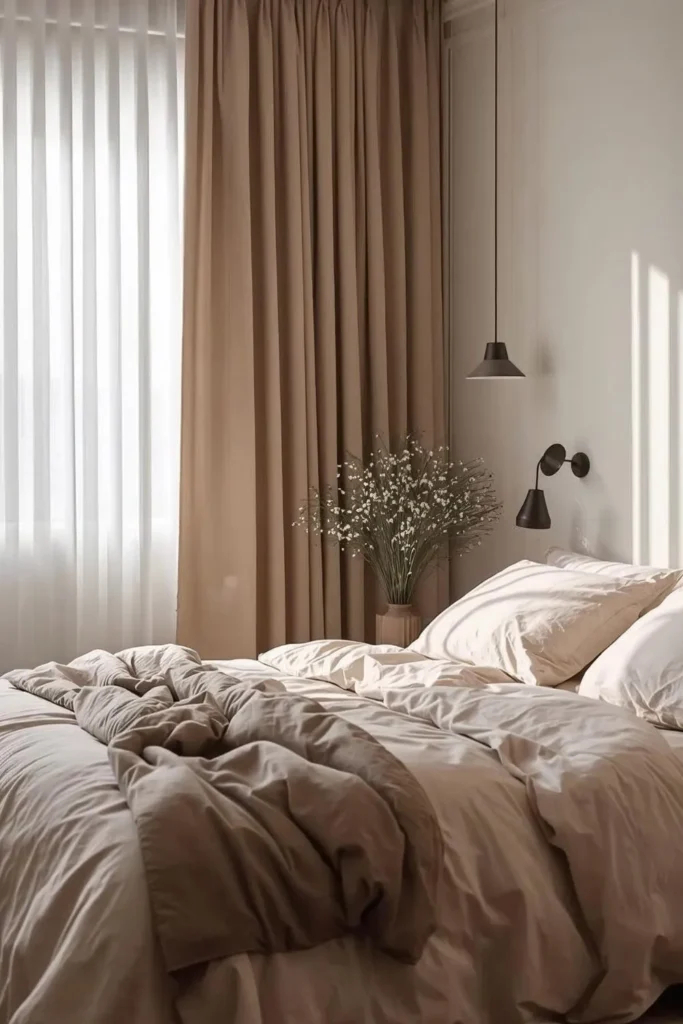
Silence has its own comfort. Constant sound keeps the mind alert. To explore how to reduce stress and anxiety, lower background noise when you can. Turn off alerts in the evening. Sit quietly for a few minutes or play soft music. These pauses help reset the nervous system. They are simple yet powerful ways to calm anxiety attack feelings when the day feels heavy.
A thoughtful close
Calm does not arrive all at once. It grows through small choices that support your body and space. When you adjust light, sound, and rhythm, stress begins to ease. Learning how to reduce stress and anxiety becomes part of daily living rather than a task. Try one idea and notice how it feels. Let your home work with you, not against you. With time, these gentle habits build a sense of ease that feels steady and real.

FAQ
How can I reduce stress and anxiety quickly at home?
Start by lowering noise and softening light. Sit comfortably, slow your breathing, and clear one small area around you. These simple steps help the body calm down fast.
What are the best natural ways to reduce stress and anxiety?
Gentle movement, steady breathing, natural light, and regular routines work well. Spending time near plants or fresh air also helps the nervous system settle.
How does home design affect stress and anxiety?
Busy or cluttered spaces can raise tension without you noticing. Calm colors, open surfaces, and warm lighting make a space feel safer and more relaxing.
What foods help reduce anxiety fast?
Simple whole foods like oats, bananas, nuts, seeds, and leafy greens support stable energy and mood. Eating slowly also helps reduce tension.
Why does stress feel physical in the body?
Stress often shows up as tight muscles or shallow breathing. Gentle stretches and awareness help release this stored tension.
Can small daily habits really reduce anxiety?
Yes. Small routines create predictability, which helps the nervous system feel secure. Over time, these habits build emotional resilience.
How can women manage stress when daily responsibilities feel heavy?
Creating personal rituals and clear rest spaces helps. Even short daily moments of quiet can reduce emotional overload.
Does improving sleep help reduce stress and anxiety?
Very much. Quality sleep supports emotional balance and makes stress easier to handle during the day.