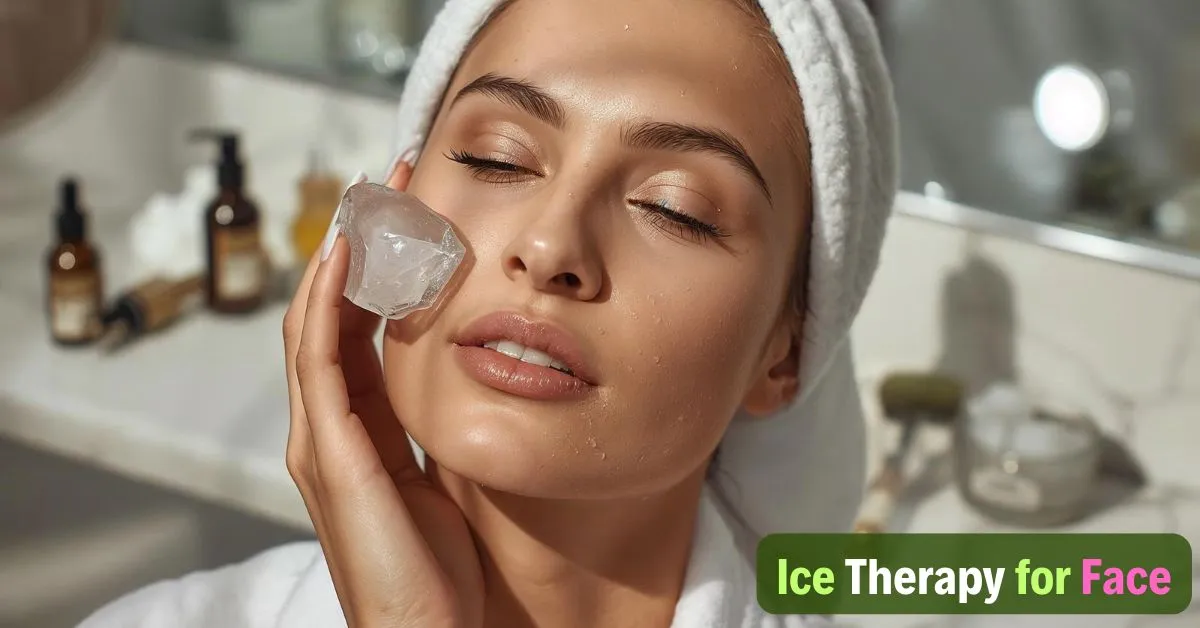
Ice therapy for face is everywhere right now and for good reason. Scroll once and you’ll see glowing skin dipped in ice. Try it once and you feel the snap. At its core, ice therapy for face uses controlled cold to refresh tired skin fast.
Many people swear by facial icing to calm redness and wake dull complexions. Others lean on ice facials to shrink puffiness before work or events. Rooted in cold therapy for face science and inspired by cryotherapy for skin, this trend promises visible results in minutes. But does it really work or just feel good? This guide breaks down benefits, risks, and safe techniques you can actually trust.
Table of Contents
What Is an Ice Facial? (Quick Explanation)
An ice facial uses ice facials and facial icing to cool skin quickly. You apply cold briefly to the face. This counts as ice therapy for face and a gentle form of cryotherapy for skin. People try it for comfort and a fresh look.
The logic stays simple. Cold touches skin. Vessels react. The face feels tight and awake. Fans say icing your face boosts glow fast. Results feel short lived. Technique decides success.
Is Icing Good for Your Face?
You might wonder is icing good for your face. Sometimes yes. Cold therapy triggers vasoconstriction which causes blood vessel constriction and reduced blood flow. Redness often fades quickly.
However cold never fixes skin alone. Ice therapy for face supports symptoms only. Dermatologists agree it complements a full skin care routine. It never replaces it.
Benefits of Ice Facials for Skin
People praise facial icing benefits because results show fast. Cold limits inflammation and slows inflammatory cellsnear the surface. Skin feels calmer.
You may notice ice facials for glowing skin and smoother makeup days. The anti-inflammatory effect feels soothing. Think refresh not repair.
Ice Facials for Puffy Eyes and Under-Eye Bags

Morning puffiness bothers many. Ice for puffy eyes helps with facial puffiness, swollen eyes, and under eye bags. Cold compresses tighten tissue briefly.
This happens through reduced blood flow from vasoconstriction. Fluid returns later. Still ice therapy for face helps you look rested before work.
Can Ice Help with Acne and Breakouts?
Cold may calm some acne. Ice for acne helps redness from inflammatory acne like acne cysts, acne nodules, acne pustules, and acne papules.
Ice never clears pores. It may slow oil production and shrink skin pores briefly. Use it as support. Keep treatments consistent.
Other Possible Skin Benefits of Ice Therapy
Cold can soothe discomfort. Ice facials for swelling help after sun or shaving. They may ease soothing sunburn, insect bites, skin rashes, and mild skin swelling.
This links to nerve activity reduction and pain relief. Doctors use cold for functional recovery and soft tissue healing. Facial use stays cosmetic.
Risks and Side Effects of Facial Icing
Cold carries risks. Facial icing risks include ice burn, frostbite, nerve injuries, and numbness. Skin dislikes extremes.
Avoid icing if you have diabetes skin sensitivity or Raynaud’s syndrome. These affect sensation. Follow facial icing safety rules carefully.
How to Apply Ice to Your Face Safely
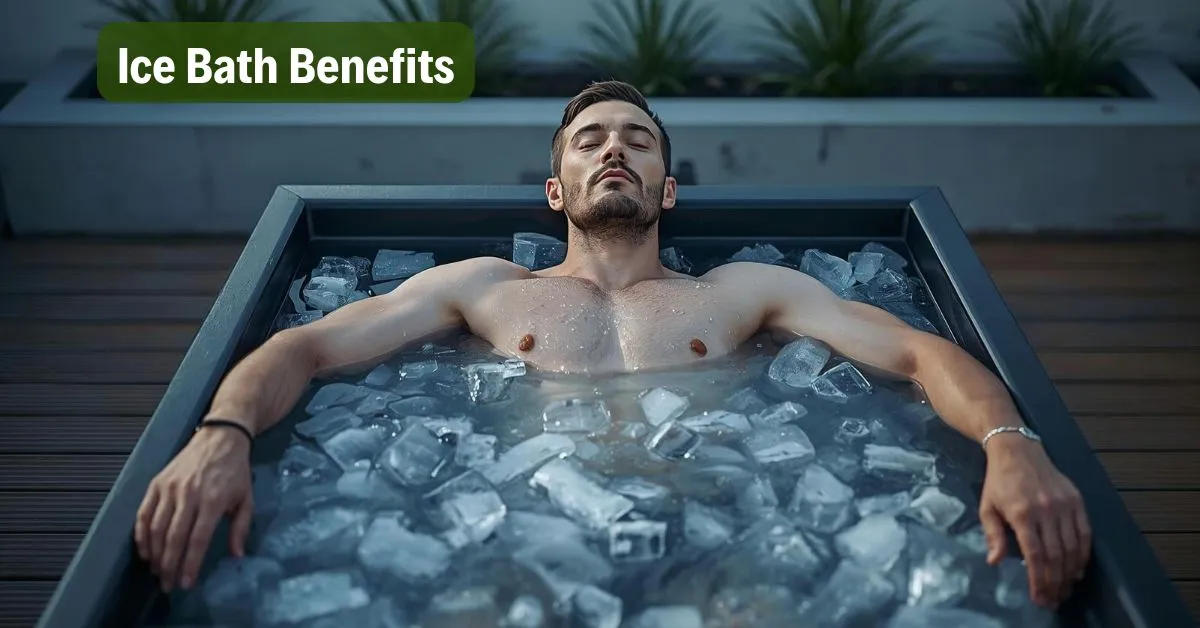
Learning how to do ice facial matters. Wrap ice with a cotton cloth barrier. Glide gently using circular massage motion. Stop early.
Limit contact to one or two minutes. This ice facial technique lowers harm. Never press hard. Calm skin always wins.
Ice Doesn’t Have to Be Plain Water
Many try water alternatives for ice facials. Popular options include aloe ice facial, green tea ice facial, and caffeine ice cubes.
Aloe supports aloe vera skin healing. Tea adds green tea catechins with antibacterial properties and antiviral properties. Effects stay mild.
Tips for Facial Icing That Actually Work
Clean skin first. Bacteria spreads fast. This lowers bacterial spread risk. Moisturize after icing to protect skin circulation.
Use ice facial tips wisely. Short sessions help. Clean tools matter. Ice therapy for face rewards patience not force.
Why Are Ice Facials So Popular Right Now?
The ice facials TikTok trend drives curiosity. Videos spread quickly. Claims feel simple. Cold feels natural.
This growth links to ice facials social media, ice facials anecdotal evidence, and a rising natural skincare trend. It fits the modern health fad mindset.
When Should You See a Dermatologist?
Get facial icing dermatologist advice if acne worsens. Long term swelling needs care. Burns require help.
A dermatologist consultation protects skin health. Follow skincare professional advice or speak to a healthcare professional when unsure.
Ice Facial FAQs (Quick Answers)
People ask about safety often. Facial icing side effects appear with misuse. Timing and protection reduce risk.
Experts say ice therapy for face works best as non-invasive skincare support. Use it sparingly. Respect limits. Let science guide trends.
Cold Exposure Reference Table
| Effect | What Happens |
|---|---|
| vasoconstriction | Tightens vessels |
| reduced blood flow | Less redness |
| anti-inflammatory effect | Calms skin |
| nerve activity reduction | Less pain |
“Cold therapy eases symptoms but never replaces treatment,” says a board-certified dermatologist from California.
Used wisely ice therapy for face refreshes skin. Used blindly it harms. Stay gentle. Stay informed.

FAQ
Is ice therapy good for your face?
Yes, ice therapy can help reduce puffiness, redness, and temporary inflammation when used correctly and for short periods.
Is it good to put ice on your face every day?
Daily use is okay for some people, but overdoing it can irritate skin, so moderation and short sessions matter.
When is the best time to ice your face?
Morning works best to reduce puffiness and wake up skin, while evening icing helps calm redness after a long day.
How to ice face correctly?
Wrap ice in a clean cloth and gently glide it over your face for one to two minutes without pressing hard.
Is it better to ice at night or morning?
Morning is better for de-puffing and freshness, while night icing suits calming irritated or overheated skin.