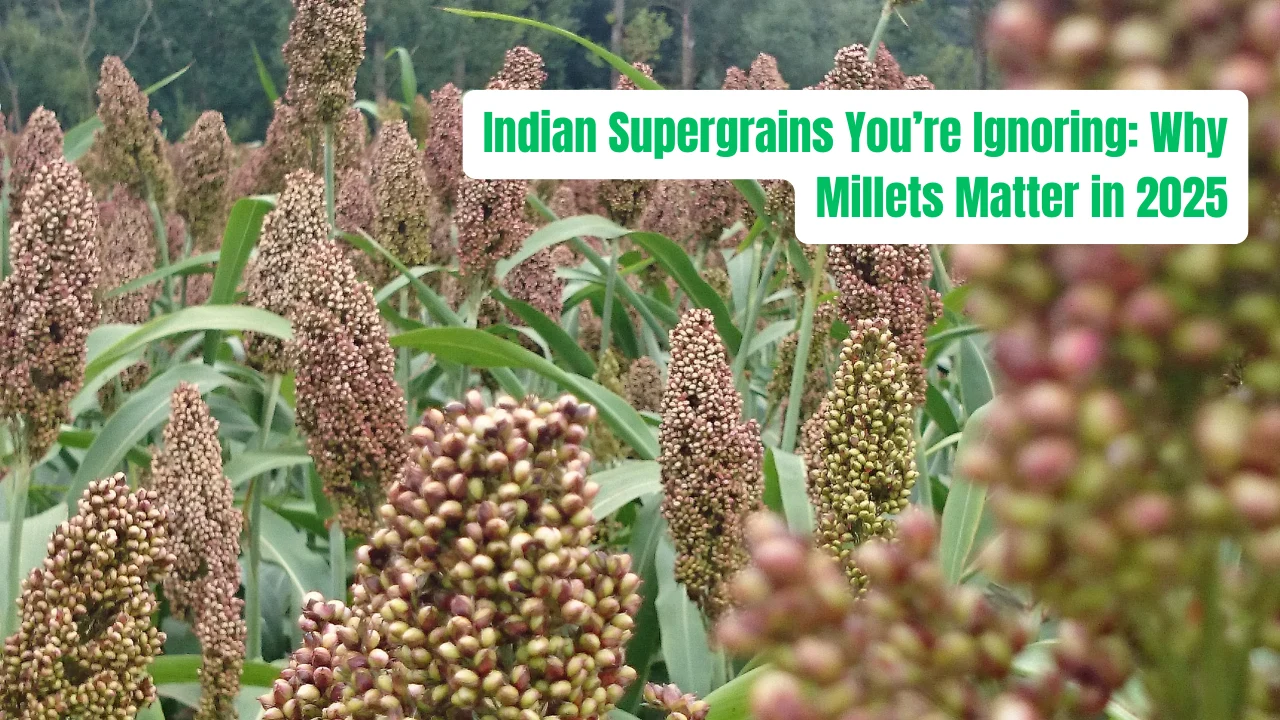
India’s ancient grain millets is making a major comeback in 2025. Once dismissed as “poor man’s food,” these humble grains are now gaining attention worldwide for their nutrition, sustainability, and versatility. As global consumers search for alternatives to rice and wheat, India’s supergrains are stepping into the spotlight, blending tradition with modern health goals.
Key Takeaways
- India produces nearly 38–40% of the world’s millets, leading the global revival.
- Shree Anna Initiative launched in 2023 has boosted millet farming and exports.
- Millets are rich in fiber, protein, iron, and calcium with a low glycemic index.
- Climate-resilient crops require less water and can grow in dry, poor soil.
- Global millet market projected to reach USD 23.4 billion by 2034.
- Millets are becoming part of ready-to-eat foods, snacks, and organic markets.
Millets: The Ancient Food with Modern Relevance
In 2025, millets have transformed from forgotten village staples to global superfoods. India, with its centuries-old millet farming traditions, has re-emerged as a key player in this movement. According to government data, India cultivated 15.38 million metric tonnes of millets in FY24, covering over 12 million hectares of farmland.
The Shree Anna Millet Initiative, launched in 2023, has accelerated millet adoption across states like Rajasthan, Karnataka, and Maharashtra, where water scarcity often limits crop choices. These grains grow even in poor soil and drought conditions, making them a lifeline for sustainable agriculture.
Nutritional Powerhouse for a Healthier Lifestyle
Millets are small in size but packed with nutrition. They contain high amounts of fiber, protein, calcium, and iron, making them ideal for balanced diets. Their low glycemic index helps regulate blood sugar, while their antioxidants protect against chronic diseases.
Millets like Ragi (Finger Millet) and Bajra (Pearl Millet) are especially beneficial for bone health and energy levels.
Doctors and dietitians are recommending millets as a gluten-free alternative for those with celiac disease or gluten intolerance. Unlike imported “superfoods,” millets are locally available, affordable, and better suited to Indian diets.
A Booming Global Market
The global millet market is witnessing rapid growth. According to Global Market Insights, it was valued at USD 15.3 billion in 2024 and is expected to reach USD 23.4 billion by 2034, growing at 4.4% CAGR. Countries like the U.S., Japan, and Germany are witnessing a rise in millet-based cereals, plant-based snacks, and organic flour.
India’s variety from Foxtail to Kodo to Little Millet allows it to cater to diverse consumer needs worldwide. The rising popularity of organic millet products has also encouraged farmers to adopt organic cultivation practices supported by government subsidies.
Technology Empowering Millet Farmers
Digital agri-platforms like Agribazaar are helping millet farmers reach bigger markets. These platforms provide real-time mandi prices, quality checks, digital payments, and weather alerts, reducing dependency on middlemen. By connecting farmers directly to buyers, they’re improving income transparency and ensuring long-term sustainability in millet farming.
Millets Beyond the Farm: From Kitchen to Industry
Millets are no longer limited to traditional dishes like Ragi Dosa or Bajra Roti. The government is now encouraging food companies to include at least 15% millet content in ready-to-eat and ready-to-cook foods. This has led to a surge in millet-based breakfast cereals, snacks, flours, and beverages. Even millet ice creams and plant-based milk alternatives are finding a place in urban markets.
Such innovations are making millets more appealing to modern consumers, especially those seeking healthy, plant-based, and sustainable options.
The Road Ahead
Millets symbolize the perfect mix of tradition, health, and sustainability. With India leading global production and innovation, these grains could redefine how the world looks at food security and nutrition.
By adopting millets into daily meals, we support not just our own health, but also farmers and the planet.