Magnesium is an essential mineral that plays a crucial role in maintaining overall health, yet many people do not get enough of it through their daily diet. Magnesium Rich foods are supports muscle and nerve function, energy production, heart health, bone strength, and blood sugar control. A lack of magnesium can silently affect your body and lead to long-term health issues.
In this article, you will learn about magnesium rich foods, the health benefits of magnesium, signs of deficiency, and how to include foods high in magnesium in your daily meals naturally.
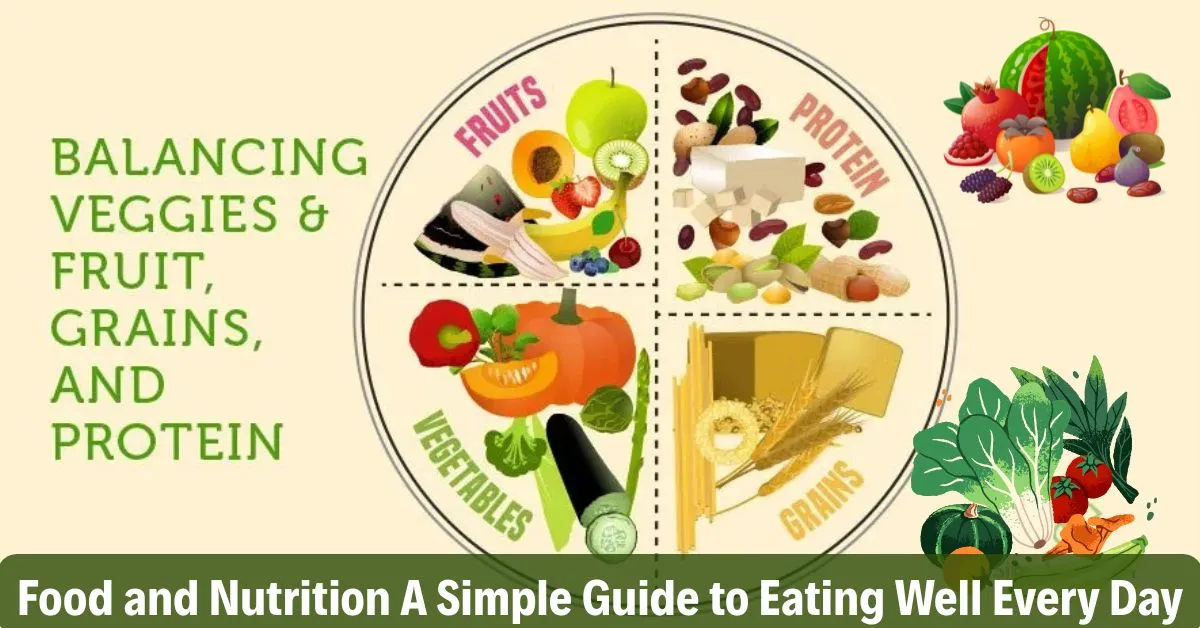
Table of Contents
1. What Is Magnesium and Why Is It Important?
Magnesium is involved in more than 300 biochemical reactions in the body. It helps:
- Regulate muscle contractions and nerve signals
- Maintain a steady heartbeat
- Support strong bones and teeth
- Improve sleep quality and stress response
Without adequate magnesium intake, the body cannot function at its best.
2. How Much Magnesium Do You Need Per Day?
The recommended daily allowance (RDA) of magnesium depends on age and gender:
- Adult men: 400–420 mg per day
- Adult women: 310–320 mg per day
A balanced diet that includes magnesium rich foods can easily meet these daily requirements without supplements.
3. Signs and Symptoms of Magnesium Deficiency

Magnesium deficiency often develops slowly and may be overlooked. Common symptoms include:
- Muscle cramps or spasms
- Fatigue and weakness
- Headaches
- Anxiety or irritability
- Sleep disturbances
- Irregular heartbeat
If these symptoms persist, increasing foods high in magnesium in your diet may help.

4. Who Is at Risk of Magnesium Deficiency?
Certain groups are more prone to low magnesium levels:
- People with diabetes
- Those who consume excess alcohol
- Individuals with digestive disorders
- People who rely heavily on processed foods
5. Best Magnesium Rich Foods to Include in Your Diet
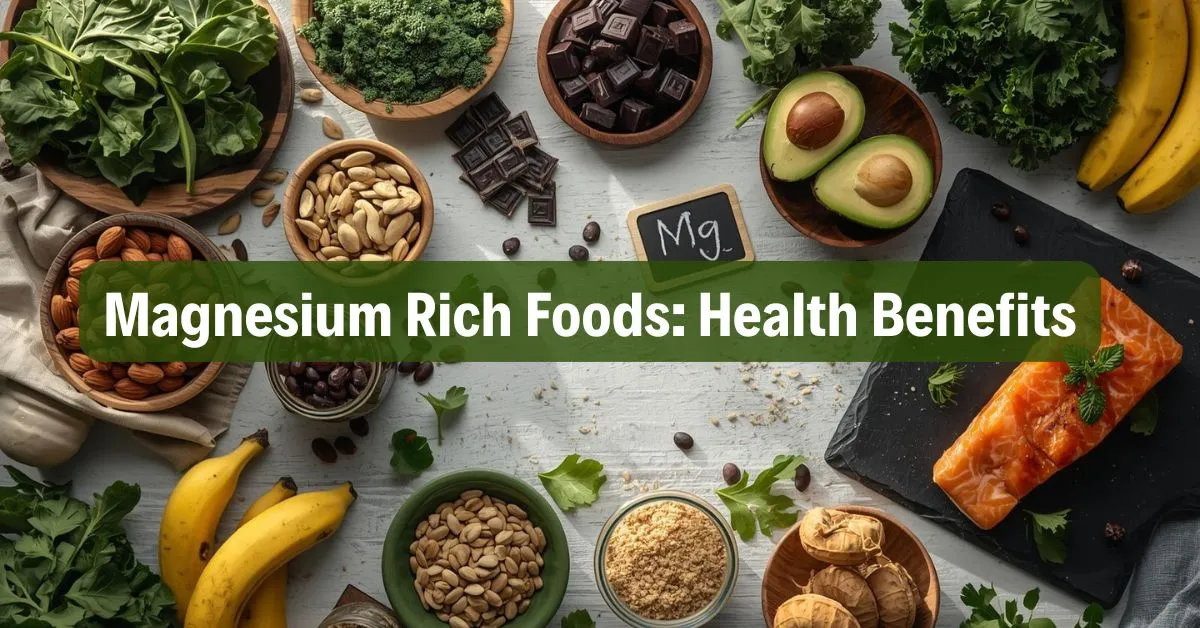
Whole, natural foods are the best source of magnesium. Including a variety of magnesium rich foods ensures better absorption and overall nutrition.
6. Top Plant-Based Foods High in Magnesium
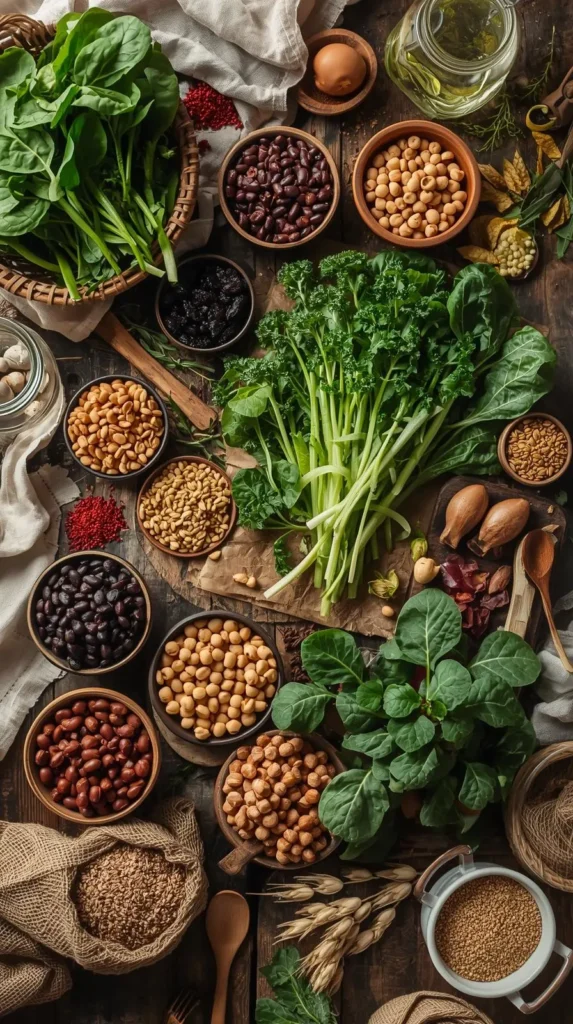
Plant-based diets can provide plenty of magnesium when planned properly:
- Leafy greens (spinach, kale, fenugreek leaves)
- Legumes (black beans, chickpeas, lentils)
- Whole grains (whole wheat, quinoa, brown rice)
These foods are also rich in fiber and antioxidants.
7. Nuts and Seeds That Are Rich in Magnesium
Nuts and seeds are compact yet powerful sources of magnesium:
- Almonds
- Cashews
- Pumpkin seeds
- Chia seeds
- Flaxseeds
A small daily serving can significantly boost magnesium intake.
8. Fruits and Vegetables With Magnesium
While fruits are generally lower in magnesium, some good options include:
- Avocado – rich in magnesium and healthy fats
- Bananas – moderate magnesium with potassium
- Leafy vegetables – excellent overall mineral content
These options complement other magnesium rich foods in a balanced diet.
9. Magnesium-Rich Protein Foods (Vegetarian and Non-Vegetarian)
Protein sources that also contain magnesium include:
- Tofu and edamame
- Yogurt
- Fatty fish such as salmon and mackerel
Vegetarians can rely on tofu, legumes, and dairy for adequate magnesium intake.

10. How to Meet Your Daily Magnesium Requirement Naturally
To improve magnesium absorption:
- Limit processed and refined foods
- Eat whole foods consistently
- Reduce excessive caffeine and alcohol
- Maintain adequate vitamin D levels
Combining different foods high in magnesium throughout the day works best.
11. Magnesium Supplements: Are They Necessary?
Most people can meet their magnesium needs through diet alone. Supplements may be useful in cases of severe deficiency, but:
- They should be taken only after medical advice
- Excess intake can cause digestive discomfort
Food sources should always be the first choice.
FAQs About Magnesium
How can I increase magnesium levels quickly?
Eating magnesium rich foods such as leafy greens, nuts, seeds, and whole grains daily can help raise levels naturally.
Which foods are highest in magnesium?
Pumpkin seeds, almonds, spinach, legumes, and whole grains are among the top foods high in magnesium.
Are bananas high in magnesium?
Bananas contain a moderate amount of magnesium and can support daily intake when combined with other foods.
How can magnesium deficiency be confirmed?
A blood test is the most reliable way to check magnesium levels.

Final Thoughts: Maintaining Healthy Magnesium Levels
Magnesium is a vital mineral for long-term health. By including a variety of magnesium rich foods and foods high in magnesium in your daily diet, you can reduce the risk of deficiency and support your body naturally. A balanced diet, mindful food choices, and a healthy lifestyle are the most effective ways to maintain optimal magnesium levels.