Recent research reveals that swapping high-carb snacks for tree nuts can reduce food cravings by up to 40%, improve diet quality, and support sustainable weight management. This isn’t about willpower or restrictive dieting it’s about making one strategic food choice that works with your body’s natural hunger signals, not against them.
You’re sitting on the couch, watching TV, and suddenly it hits that intense urge to grab a bag of chips or reach for something sweet. Sound familiar? You’re not alone. Food cravings affect millions of people daily, sabotaging weight management goals and healthy eating patterns. But what if there was a simple, science-backed solution hiding in plain sight?
In this comprehensive guide, you’ll discover exactly how nuts suppress appetite, which varieties work best for weight management, and practical strategies to incorporate these nutrient-dense foods into your daily routine. Ready to break free from the craving cycle? Let’s dive into the science.

Table of Contents
Understanding Food Cravings and Their Impact on Weight Management
Food cravings are more than just fleeting desires they’re complex physiological and psychological signals that can derail even the most dedicated health efforts. Understanding what drives these cravings is the first step toward managing them effectively.
The Two Types of Cravings
Physiological cravings stem from genuine nutritional needs. When your body lacks specific nutrients like protein, healthy fats, or minerals, it sends hunger signals that often manifest as cravings for convenient, calorie-dense foods. Unfortunately, reaching for processed snacks rarely addresses the underlying deficiency.
Psychological cravings are triggered by emotions, stress, boredom, or habit. These emotional eating patterns create powerful associations between certain foods and comfort, making them incredibly difficult to resist through willpower alone.
The Craving-Weight Gain Cycle
Here’s where things get problematic. Research shows that consuming high-carb, low-nutrient snacks creates a vicious cycle:
- You eat chips, cookies, or other processed snacks
- Blood sugar spikes rapidly, then crashes
- The crash triggers more intense cravings within 1-2 hours
- You eat again, consuming excess calories
- Over time, this pattern leads to weight gain and metabolic dysfunction
Studies indicate that Americans consume an average of 2-3 snacks daily, contributing approximately 400-600 calories to their total intake. When these snacks consist primarily of refined carbohydrates and unhealthy fats, they significantly increase obesity risk without providing satiety or nutritional value.
The Hidden Cost of Poor Snacking Choices
Beyond weight gain, frequent consumption of processed snacks is linked to:
- Increased risk of metabolic syndrome (a cluster of conditions including high blood pressure, elevated blood sugar, and abnormal cholesterol levels)
- Sugar addiction patterns that make cravings progressively more intense
- Disrupted hunger hormone regulation, making it harder to recognize true fullness
- Reduced insulin sensitivity, elevating Type 2 diabetes risk
- Inflammation that contributes to cardiovascular disease
The good news? Breaking this cycle doesn’t require superhuman willpower. It requires making smarter food substitutions that satisfy cravings while nourishing your body and that’s exactly where nuts come in.
The Science Behind Nuts and Appetite Control
Why do nuts have such a powerful effect on appetite and cravings? The answer lies in their unique nutritional composition and how they interact with your body’s complex hunger regulation system.
The Satiety Trifecta: Protein, Fiber, and Healthy Fats
Nuts contain the perfect combination of macronutrients for promoting fullness:
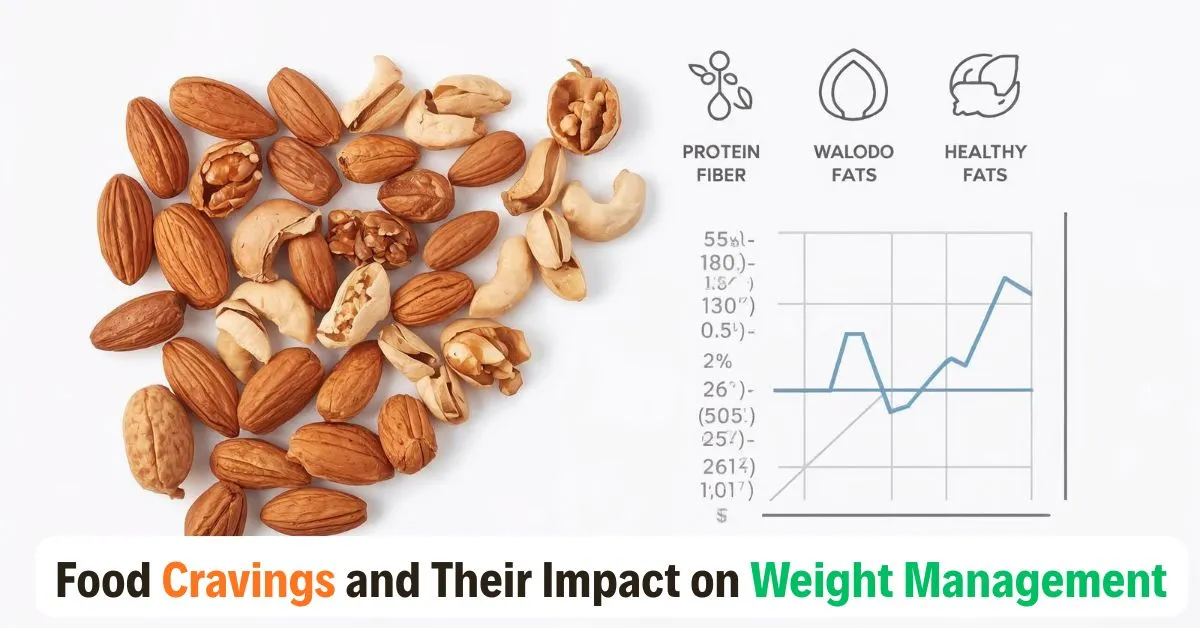
Protein (averaging 5-7 grams per ounce) triggers the release of satiety hormones like peptide YY (PYY) and glucagon-like peptide-1 (GLP-1). These hormones signal your brain that you’re satisfied, reducing the urge to continue eating.
Dietary Fiber (2-4 grams per ounce) slows digestion and promotes feelings of fullness. Fiber also feeds beneficial gut bacteria, which produce short-chain fatty acids that further enhance satiety signals.
Healthy fats (13-20 grams per ounce, primarily monounsaturated and polyunsaturated) take longer to digest than carbohydrates, providing sustained energy without blood sugar spikes. These fats also trigger the release of cholecystokinin (CCK), another powerful satiety hormone.
How Nuts Regulate Hunger Hormones
Research published in the journal Nutrients demonstrates that consuming tree nuts affects multiple appetite-regulating hormones:
Ghrelin reduction: Ghrelin, known as the “hunger hormone,” increases before meals and decreases after eating. Studies show that nut consumption leads to more sustained ghrelin suppression compared to high-carb snacks, keeping you satisfied longer.
Leptin optimization: Leptin tells your brain when you have enough energy stored. Nuts’ healthy fat content supports proper leptin signalling, helping prevent the leptin resistance associated with obesity.
GLP-1 elevation: This incretin hormone slows gastric emptying and enhances insulin secretion. The protein and fat in nuts stimulate GLP-1 release more effectively than simple carbohydrates.

The Thermic Effect Advantage
Here’s something most people don’t know: your body burns more calories digesting nuts than it does processing refined carbs. This is called the thermic effect of food (TEF).
Protein has the highest TEF at 20-30%, meaning you burn 20-30% of protein calories just through digestion. Nuts’ combination of protein and fiber results in a TEF of approximately 10-15%, compared to just 5-10% for high-carb snacks.
Even more fascinating? Studies using doubly labeled water (the gold standard for measuring energy expenditure) reveal that we don’t absorb all the calories from nuts. The rigid cell walls of nuts can resist breakdown during digestion, meaning the actual caloric absorption is 10-30% lower than the amount listed on nutrition labels.
Sustained Energy Without the Crash
The low-glycemic index of nuts (typically under 20 compared to 70+ for chips) means they cause minimal blood sugar fluctuation. This stability is crucial for craving control because blood sugar crashes are one of the primary triggers for intense food cravings.
A study in the European Journal of Clinical Nutrition found that participants who consumed almonds as a mid-morning snack experienced stable blood glucose levels throughout the day, while those eating an isocaloric high-carb snack had significant glucose spikes and subsequent crashes that coincided with increased hunger ratings.
This metabolic advantage makes nuts powerful tools not just for appetite suppression, but for breaking the blood sugar rollercoaster that drives compulsive snacking behaviours.
Tree Nuts vs. High-Carb Snacks: A Direct Comparison
Let’s put numbers to the claims. How do tree nuts actually stack up against popular high-carb snacks? The differences are more dramatic than you might expect.
Nutritional Face-Off: 1 Ounce Serving Comparison
| Nutrient | Mixed Nuts (1 oz) | Potato Chips (1 oz) | Pretzels (1 oz) |
| Calories | 168 | 152 | 108 |
| Protein | 5.2g | 2.0g | 2.6g |
| Fiber | 2.4g | 1.4g | 0.9g |
| Total Fat | 15g | 10g | 1g |
| Saturated Fat | 2g | 3g | 0.2g |
| Omega-3s | 150mg | 0mg | 0mg |
| Vitamin E | 4mg (20% DV) | 0.3mg | 0mg |
| Magnesium | 67mg (16% DV) | 19mg | 10mg |
| Glycemic Index | 15-20 | 75-85 | 80-85 |
| Satiety Rating | 8.5/10 | 3.2/10 | 2.8/10 |
What These Numbers Really Mean
While nuts contain slightly more calories per ounce than some snack alternatives, this narrow focus on calories misses the bigger picture. Here’s what matters:
Satiety per calorie: Nuts keep you satisfied for 3-4 hours, while chips typically leave you hungry again within 60-90 minutes. Over a full day, choosing nuts actually reduces total caloric intake because you eat less at subsequent meals.
Nutrient density: Nuts deliver vitamins, minerals, antioxidants, and beneficial plant compounds alongside their calories. Processed snacks provide what nutritionists call “empty calories” energy without nutritional value.
Metabolic impact: The low glycemic index of nuts means stable blood sugar and sustained energy. High-GI snacks cause rapid glucose spikes followed by crashes that trigger more cravings.
Real-World Substitution Results
A landmark study published in the American Journal of Clinical Nutrition tracked young adults at high metabolic syndrome risk for 16 weeks. One group consumed two servings of tree nuts daily (approximately 2 ounces total) as between-meal snacks, while the control group ate isocaloric carbohydrate-based snacks.
The results were striking:
- Craving reduction: The nut group reported 40% fewer food cravings overall, with sweet cravings decreasing by 45%
- Improved food choices: Participants naturally selected healthier foods at meals without being instructed to do so
- Diet quality: Healthy Eating Index scores improved by 14 points in the nut group versus just 3 points in the control group
- Weight outcomes: The carbohydrate snack group gained an average of 2.1 pounds, while the nut group maintained stable weight despite no calorie restrictions
The Cost-Benefit Analysis
“But nuts are expensive!” This common objection deserves examination. Let’s compare:
- Bulk mixed nuts: $6-8 per pound (16 servings) = $0.38-0.50 per serving
- Name-brand chips: $3-4 per 10 oz bag (10 servings) = $0.30-0.40 per serving
The price difference is minimal, and when you factor in the health benefits potentially reducing future medical costs related to obesity, diabetes, and heart disease nuts represent exceptional value.
Making the Switch Work for You
If you’re used to the intense saltiness and crunch of chips, transitioning to nuts might feel underwhelming at first. Here’s how to make the switch successfully:
- Start with roasted, lightly salted nuts rather than raw unsalted varieties
- Try different textures: Mix crunchy almonds with creamy cashews
- Add spices: Cinnamon-roasted almonds or chili-lime pistachios provide flavor excitement
- Combine with dried fruit for a sweet-salty contrast (in moderation)
- Give your taste buds 2-3 weeks to adjust; many people find they actually prefer nuts once they break their processed food habit
The comparison is clear: tree nuts outperform high-carb snacks in virtually every meaningful category from nutritional value to satiety to long-term health outcomes.