In today’s fast-paced lifestyle, portion sizes have quietly increased, and so has the tendency to overeat. From restaurant meals that could serve two people to packaged snacks labeled as single servings, eating more than our body needs has become a common habit.
Understanding the science behind portion control is essential not only for maintaining a healthy weight but also for improving digestion and preventing long-term health issues.
Key Takeaways On Portion Control
- Portion control means managing how much food you eat in one sitting.
- Larger plates and packages often lead to overeating due to portion distortion.
- Paying attention to hunger cues helps avoid emotional or mindless eating.
- Using smaller plates, eating slowly, and drinking water before meals are proven strategies.
- Right portion sizes help regulate blood sugar and support weight management.
Why Portion Control Matters
Portion control isn’t about cutting out food it’s about finding balance. It helps you eat the right amount of nutrients your body needs without consuming unnecessary calories. Eating in controlled portions supports healthy energy levels and prevents the common problem of eating more just because food is available in excess.
Overeating can be influenced by psychological and environmental factors. Many people finish everything served to them even after feeling full, and social situations or emotional stress often make this worse. That’s why learning to understand how much is enough plays a major role in long-term health.
The Science Behind Overeating
One major factor in overeating is called portion distortion the shift in what people consider a “normal” serving. For example, a standard pasta portion used to be about one cup, but today, most restaurants serve nearly three times that amount. As portion sizes grow, so does our tendency to eat more, even when we’re no longer hungry.
The body uses two key hormones to regulate hunger ghrelin, which triggers appetite, and leptin, which signals fullness. When you regularly eat large portions, these signals get disrupted, making it harder to know when to stop eating. Over time, this can lead to weight gain, higher blood sugar, and poor metabolic balance.
Practical Tips to Control Portions
Here are simple, research-backed ways to manage portion sizes without giving up your favorite foods:
- Use Smaller Plates and Bowls: Studies show people eat less when food is served on smaller dishes. It visually satisfies the brain without adding extra calories.
- Listen to Hunger Cues: Eat when you’re truly hungry, not out of habit or emotion. Take time to enjoy your food and stop once you feel satisfied.
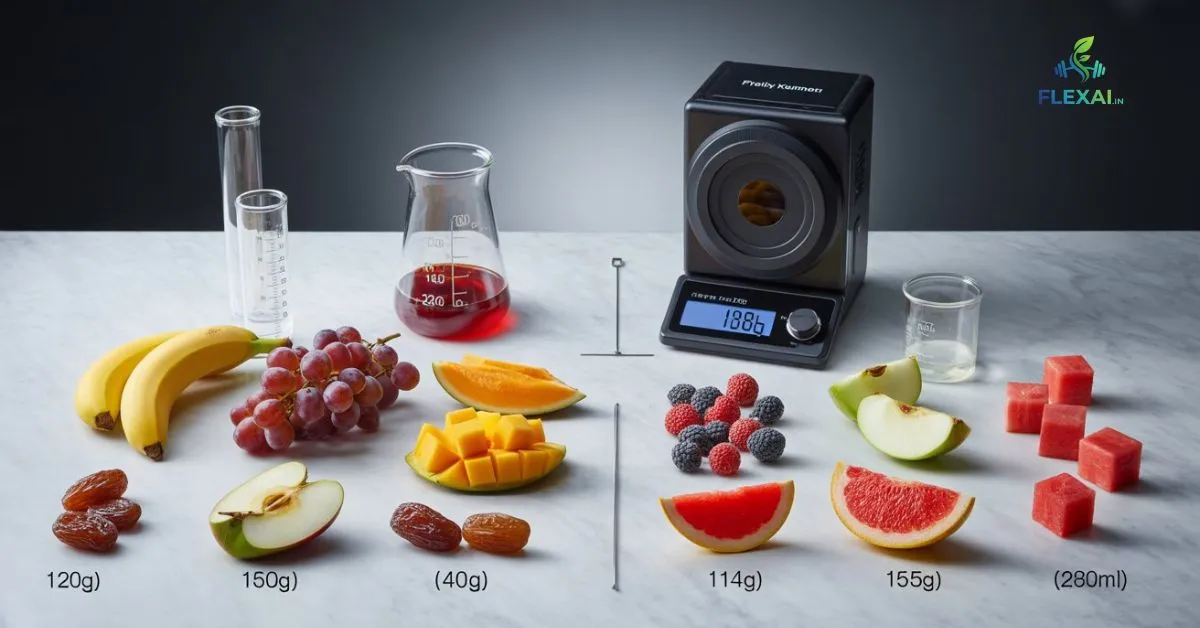
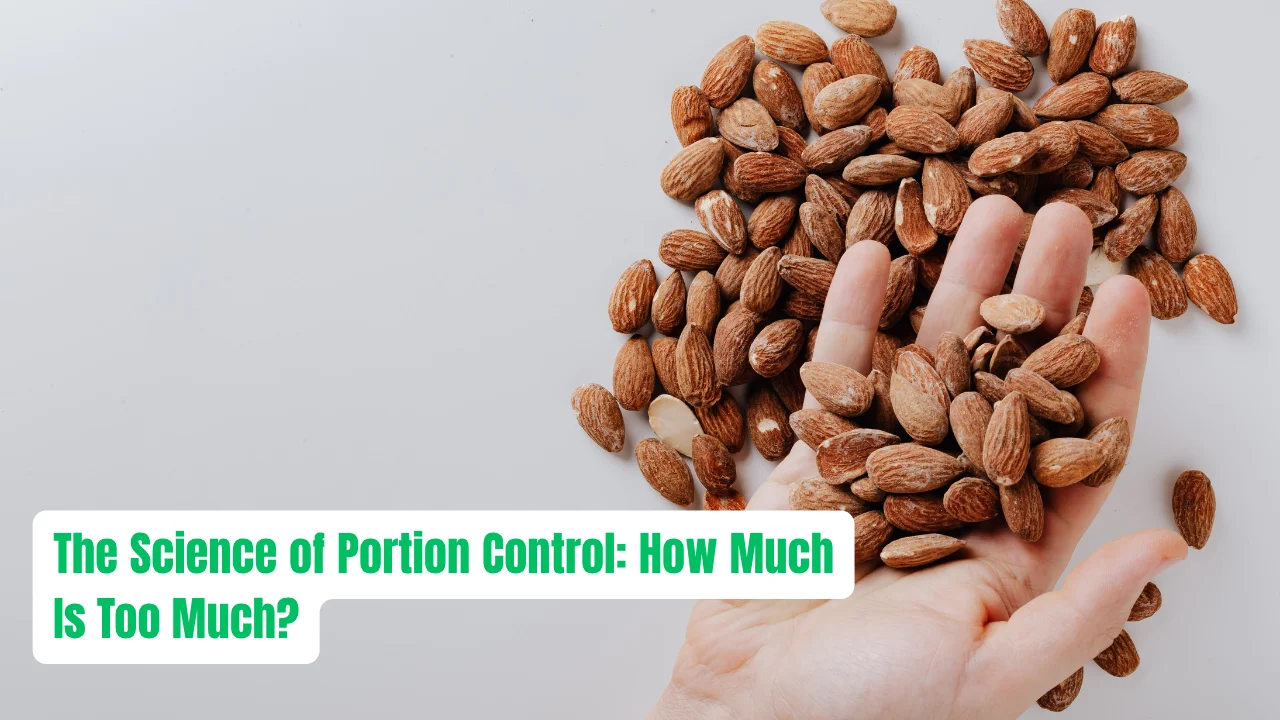
- Measure Food When Possible: Use visual cues to guide portions. For instance, a serving of meat is about the size of a deck of cards, and grains should fit in a fist.
- Avoid Eating From the Package: Always transfer snacks to a bowl or plate. This prevents mindless overeating and helps you stay aware of your intake.
- Fill Half Your Plate With Vegetables: Vegetables are high in fiber and low in calories. They help you stay full while keeping meals balanced.
- Eat Slowly and Without Distractions: Give your brain about 20 minutes to recognize fullness. Eating while watching TV or scrolling your phone can easily lead to excess intake.
Health Benefits of Right Portions
Practicing portion control does more than just limit calories it improves metabolism, digestion, and satiety. It also reduces the risk of lifestyle diseases like obesity, diabetes, and high blood pressure. Over time, it helps your body become more efficient at signaling hunger and fullness naturally.
When practiced consistently, portion control turns into a sustainable habit rather than a diet rule. It allows you to eat foods you enjoy, maintain a healthy weight, and feel in control of your eating patterns.