White grapes are a sweet and juicy fruit enjoyed their mild taste and easy digestion. Often chosen as a fresh snack option, they fit smoothly into a balanced routine without feeling heavy. Many people add them to a plant-based diet because they are naturally gluten-free fruit and simple to include in daily meals.
Beyond flavor, white grapes offer hydration, natural energy, and valuable nutrients that support overall wellness. From quick snacks to full recipes, they add variety without effort. This guide explores how white grapes support health, how to choose the freshest bunches, and the best ways to store and enjoy them year-round.

Table of Contents
What Are White Grapes? (Quick Overview)
White grapes are light green to pale yellow grapes with a mild taste. They feel refreshing and crisp. Many people add them to a plant-based diet because they are vegan food, vegetarian friendly, and a gluten-free fruit that suits most lifestyles.
You often see them used for eating fresh or for juice and wine. Their gentle sweetness works well for kids and adults. They also add dietary variety without heavy calories, which makes them popular in American kitchens.
White Grapes Nutrition Profile
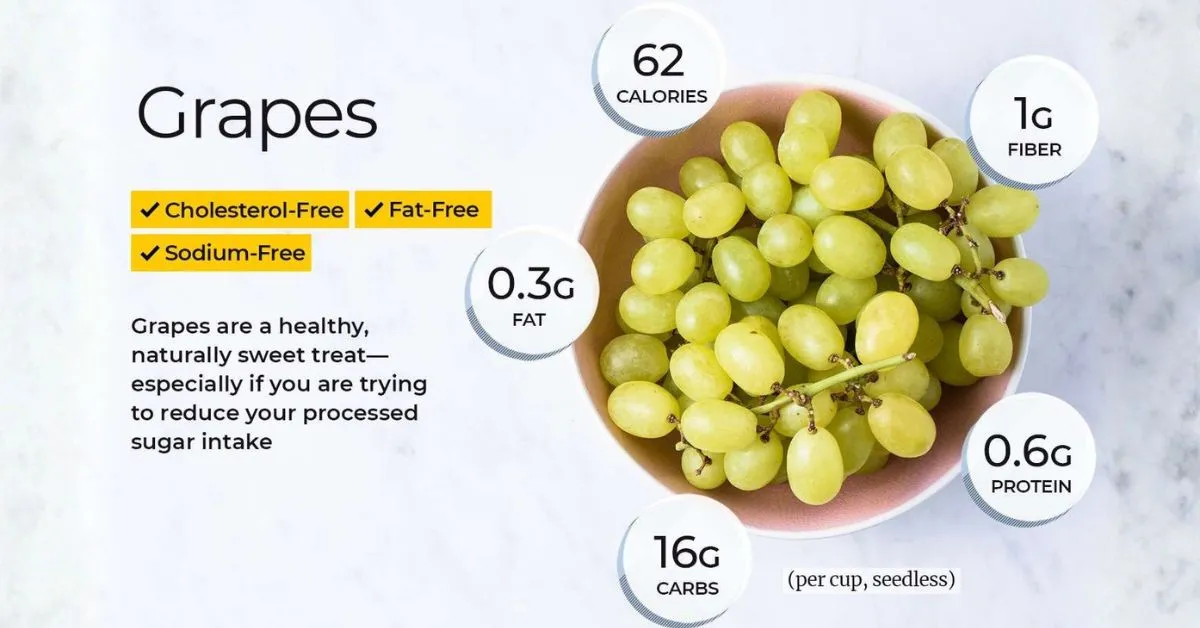
When you look at white grapes nutrients, you see a balance of water and natural sugars. White grapes nutrition factsshow that they provide energy without fat. White grapes calories are moderate, making them easy to fit into meals.
The white grapes sugar content is natural but noticeable. The white grapes glycemic index sits in the middle range, which means portions matter. For most people, they give quick energy without heaviness.
| Per 100 g | Value |
|---|---|
| Energy | 69 kcal |
| Carbohydrates | 18 g |
| Fiber | 1 g |
| Sugars | 15 g |
| Protein | 1 g |
Key Vitamins & Minerals in White Grapes
White grapes vitamins and minerals include Vitamin C and Vitamin K. These support immunity and normal blood function. White grapes potassium helps muscles and supports fluid balance.
You also get white grapes fiber, which aids digestion. The mix supports heart health support and blood pressure control when eaten in normal portions.
Health Benefits of White Grapes
People often ask, are white grapes healthy. The answer depends on balance. White grapes health benefits include hydration benefits because of high water content. They also contain white grapes antioxidants like antioxidants flavonoids that help with free radicals protection.
These compounds may support inflammation reduction and healthy cholesterol levels. Eaten regularly, white grapes add gentle nutrition without heaviness.
Are White Grapes Good for Weight Loss?
Many wonder about white grapes for weight loss. They can help if you control portions. The water content fills you up. The sweetness can replace desserts.
However, eating too many can raise blood sugar spikes. Pairing grapes with protein or nuts slows sugar absorption. This makes them easier to manage for weight goals.
Health Risks & Side Effects of White Grapes
Like all fruits, grapes have limits. White grapes health risks mainly involve sugar when eaten in excess. Some people feel digestive discomfort, including bloating and diarrhea, if they overeat.
Rare white grapes side effects include allergic reactions to grapes. Another concern is white grapes pesticide residue, which increases pesticide exposure risk. Choosing organic white grapes supports organic food sourcing.
White Grapes vs Green Grapes vs Red Grapes

People often compare white grapes vs red grapes. Red grapes contain more resveratrol. White grapes are usually gentler on digestion and slightly lower in acidity.
Green and white grapes are similar. Taste and antioxidant levels differ slightly. Your choice depends on taste preference and digestion comfort.
How to Choose Fresh White Grapes (Shopping Tips)
Learning how to choose white grapes improves taste and shelf life. Look for firm and plump grapes with a waxy grape skin and smooth grape texture. The stems should look green and fresh.
Avoid shriveled grapes or brown spots. A light white powder on the skin is natural. It signals freshness, not spoilage.
How to Store White Grapes Properly
Knowing how to store white grapes keeps them crisp. Place them in refrigerated storage using a perforated plastic bag. This airflow supports mold prevention.
Do not wash before storing. Moisture speeds spoilage. Washing just before eating keeps them fresh longer.

How Long Do White Grapes Last?
Many ask how long do white grapes last. The white grapes shelf life in the fridge is usually five to seven days. Remove damaged grapes early.
For longer storage, try freezing white grapes. This method supports frozen fruit storage for up to twelve months, though texture softens.
Healthy Ways to Eat White Grapes
White grapes work in many meals. They fit sweet and savory recipes with ease. Add them to fruit salads and yogurtfor breakfast or snacks.
They also shine in meals like chicken salad with grapes. Pair them as a bruschetta topping or enjoy cheese and crackers pairing for simple appetizers.
What to Do With Leftover White Grapes?
Smart leftover white grapes uses reduce waste. Freeze them for snacks. Blend into grape juice and jam. Cook them gently for roasted grapes recipes.
You can also mix them into salads or grain bowls. Their mild sweetness lifts many dishes without extra sugar.
FAQ
What are the benefits of white grapes?
White grapes support hydration, provide antioxidants, and offer natural energy while being low in fat and easy to digest.
Are white grapes different from green grapes?
Not really. White grapes are often called green grapes; the names are used interchangeably in most markets.
Which is better, white or red grapes?
Both are healthy. Red grapes contain more antioxidants, while white grapes are gentler on digestion and slightly lower in acidity.
What are the white grapes called?
White grapes are commonly called green grapes and include varieties like Thompson Seedless.
Are white grapes high in sugar?
They contain natural sugar, but in moderate portions they fit well into a balanced diet.
Which is the healthiest wine to drink?
Red wine is often considered the healthiest due to its higher antioxidant content when consumed in moderation.