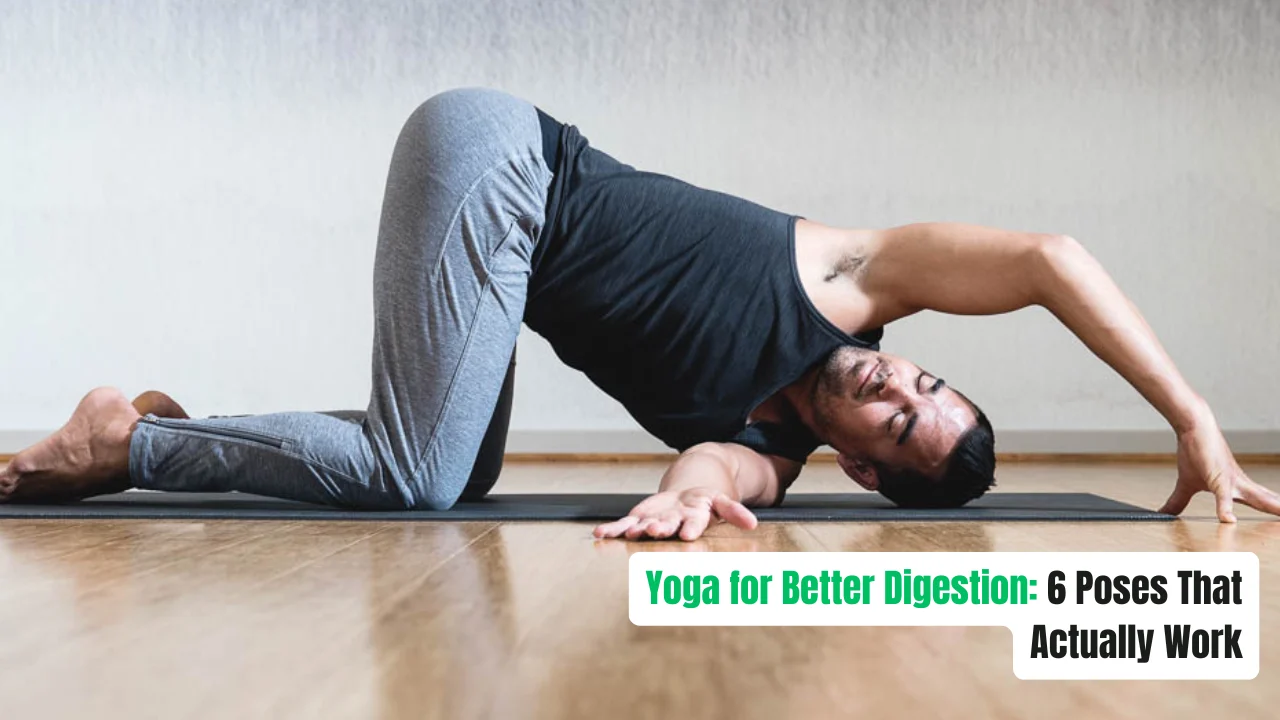
Digestive discomfort is common, and many people look for natural ways to ease gas, bloating, and irregular bowel movement. Yoga is often viewed as a gentle practice that supports the digestive system through slow movement, mindful breathing, and relaxation. These simple actions help calm the gut and encourage better flow in the abdomen.
Before trying these poses, it is helpful to understand why yoga can support digestion. These movements relax the body, improve blood circulation, and activate the system that helps the body rest and digest food at a steady pace.
Key Takeaways
- Yoga calms the body and reduces stress linked to digestive issues.
- Slow movements support gut mobility and ease common problems like gas and bloating.
- Regular practice can help people dealing with IBS and mild digestive discomfort.
- Simple poses are safe for most people when done with care.
- These six poses support better digestion through gentle stretching and pressure on the abdomen.
Yoga is a practice that connects the mind and body through movement and breath. When the mind feels relaxed, the digestive system works more smoothly. Many people notice that stress can trigger stomach discomfort, appetite changes, bloating, and irregular bowel habits. Yoga reduces this stress by activating a resting state in the body that promotes a calmer gut.
How Yoga Supports Digestion
Digestion is the process that breaks food down so the body can absorb nutrients and release waste. However, people often use the term digestion to describe any gut-related symptoms, such as gas, heaviness, swelling, and irregular stool pattern. These issues can change based on stress, activity level, and eating habits.
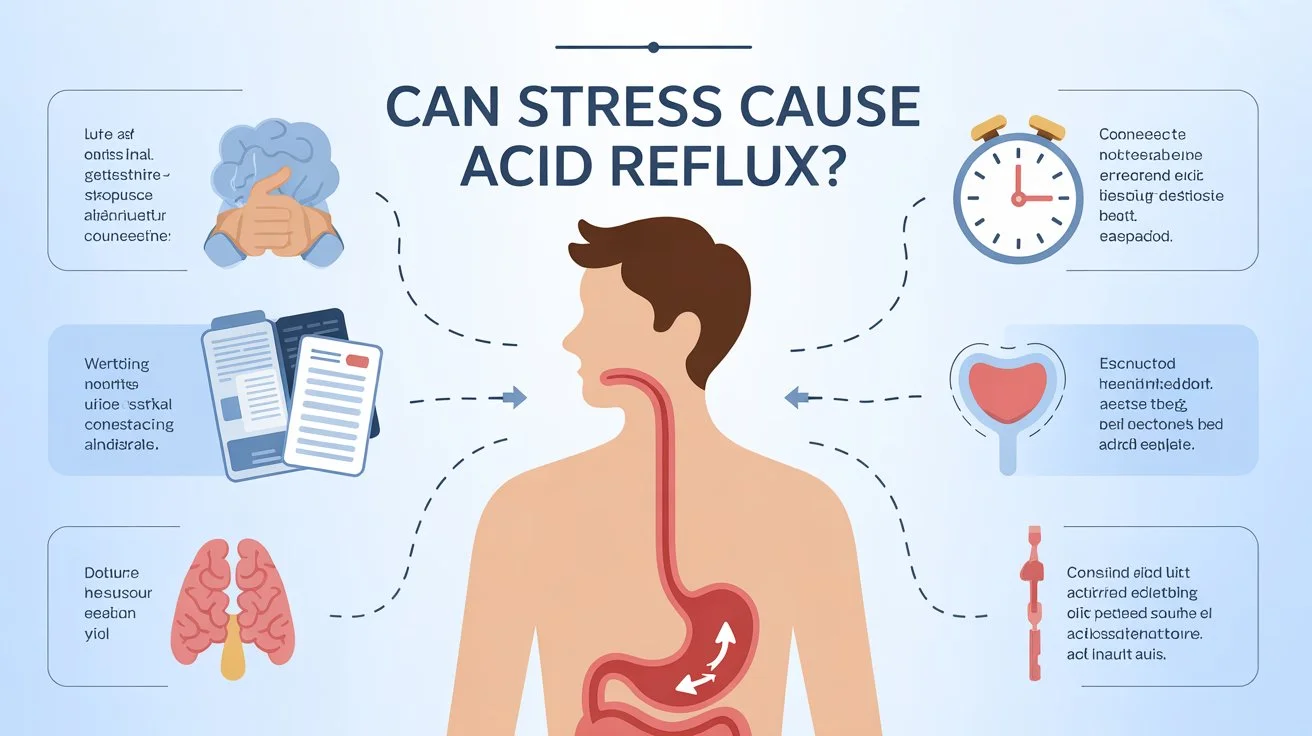
The gut and brain share a communication system known as the gut brain axis. This system signals the digestive organs through nerves and hormones. When a person is under stress, the gut responds quickly, leading to discomfort, cramps, or loose stool. Yoga helps regulate these signals by relaxing the body, allowing the gut to return to a balanced state.
Many experts believe yoga supports digestion by reducing tension, increasing circulation in the abdomen, and improving gut motility. These movements also stretch the muscles that sit around the digestive organs, which can reduce pressure and improve comfort.
Yoga and Common Digestive Problems
Some people dealing with irritable bowel syndrome notice improvement when they add yoga to their routine. Research suggests that stress may worsen IBS symptoms such as bloating, gas, constipation, and loose stool. When stress levels reduce, the gut responds in a calmer way. Studies comparing yoga with certain dietary approaches found that both groups experienced some relief, showing that gentle movement may help support symptom control.
People with inflammatory bowel diseases like Crohn’s disease or ulcerative colitis may also practice yoga for general relaxation. These poses do not replace medical treatment, but they can help people manage stress that often affects digestion.
Listicle: 6 Yoga Poses That Help Digestion
These six poses are known to support digestion by easing pressure, stretching the abdomen, and promoting natural movement in the gut.
1. Seated Side Bend
This pose gently opens the sides of your body and encourages soft movement around the ribs and belly The stretch feels natural and calming and helps your body release any tightness that builds up from long hours of sitting The slow lean to one side allows your breathing to deepen and move more freely through the torso
The movement supports digestion by creating space in the abdomen which helps the organs feel less compressed This can make you feel lighter after meals and reduce the heavy fullness that sometimes lingers The pose invites the body into a relaxed state which is important for smooth digestion
Practicing this pose regularly helps you understand how your body reacts to gentle stretches You slowly learn how to relax the shoulders soften the midsection and encourage natural movement in the belly which together create a more comfortable digestive flow
Benefits Props Use Cases
- Reduces pressure in the belly
- Encourages deeper breathing for digestion
- Helps ease mild bloating
- Supports relaxation after eating
- Can be done sitting on floor or chair
- Helpful for office workers
- Great morning or evening stretch
- Suitable for beginners
2. Apanasana
Bringing the knees toward the chest creates a soft compression in the abdomen that encourages natural movement in the gut The gentle squeeze helps your belly relax and release unwanted tightness which often contributes to discomfort after meals This simple motion encourages your body to slow down and settle
As you hold the knees in place your lower back softens and your breathing naturally shifts toward the belly This helps stimulate internal circulation which is important for gut activity The pose can feel especially soothing when digestion feels sluggish or heavy
Over time this pose teaches your body how to respond to gentle pressure without tension You learn how to relax the hips lower back and belly together creating a calm environment for natural digestive processes
Benefits Props Use Cases
- Supports bowel movement
- Helps release trapped gas
- Encourages lower back relaxation
- Good for morning bloating
- Can be done on bed or floor
- Useful after long travel
- Promotes calm breathing
- Very beginner friendly
3. Seated Twist
A simple twist helps wake up the digestive organs by gently squeezing and releasing the belly area The rotation encourages movement through the intestines which can help your body process food more comfortably This motion also stretches the lower back which often tightens when digestion slows down
As you twist the spine you feel circulation increase around the abdomen which supports natural digestive rhythms The movement encourages your body to release tension in the midsection and improves overall mobility in the gut area Regular practice helps you feel lighter and more balanced after meals
This pose teaches you how to move mindfully without strain You work gradually with the breath and allow each twist to unfold naturally which improves both posture and internal comfort
Benefits Props Use Cases
- Encourages intestinal mobility
- Supports daily bowel habits
- Improves spine flexibility
- Helps reduce midsection tightness
- Can be done on chair or floor
- Useful after meals
- Great for office breaks
- Supports natural detox flow
4. Cat Cow
This gentle flow helps warm the belly back and spine in a smooth rhythmic motion The alternating stretch and compression create a natural massage for the digestive organs The movement also helps your body relax which is essential for healthy digestion
As you continue the flow the belly softens and the spine becomes more flexible encouraging better circulation in the abdomen This helps your gut stay active and responsive The smooth motion also calms the nervous system which can ease digestive stress
Regular practice helps your body understand how to move with ease rather than tension You learn to coordinate breath and movement which supports both relaxation and digestive comfort throughout the day
Benefits Props Use Cases
- Improves gut motility
- Massages internal organs
- Helps warm up spine
- Supports relaxation and calm
- Good for morning routines
- Helps ease stomach heaviness
- Suitable for all levels
- No equipment needed
5. Cobra Pose
This gentle lift opens the front of the body and allows more space for the belly to relax The stretch feels natural and helps you breathe more fully through the chest and abdomen The pose strengthens the back and encourages better posture which benefits digestion throughout the day
As the chest lifts the abdominal region lengthens helping relieve internal pressure and discomfort This can support smoother digestive flow especially when the body feels tight from sitting or stress The pose helps awaken your energy and create a sense of ease
Practicing this shape teaches the body how to open without strain You develop awareness in the spine belly and chest which leads to a more balanced digestive response overall
Benefits Props Use Cases
- Stretches the belly gently
- Supports digestive comfort
- Opens chest for deeper breathing
- Strengthens back muscles
- Great after long sitting
- Helps reduce mild acidity
- Boosts energy flow
- Beginner friendly with variations
6. Bridge Pose
Lifting the hips creates space in the belly while engaging the lower body and core The pose increases circulation toward the stomach area which supports natural digestive activity The gentle upward lift also helps open the chest and improve breathing
As you hold the pose your abdominal muscles activate and release in a pattern that supports gut movement This can help reduce discomfort and create a sense of openness in the midsection The posture also strengthens the legs and back which supports overall posture during digestion
Consistent practice helps you build steady control in the core muscles which supports smoother digestion throughout the day This pose teaches the body how to lift engage and relax in a healthy pattern
Benefits Props Use Cases
- Improves circulation to belly
- Helps reduce acidity
- Strengthens core and hips
- Supports posture for digestion
- Good for evening wind down
- Can use block for support
- Useful after heavy meals
- Suitable for all fitness levels
Who Should Be Careful With These Poses
Yoga is safe for most people, but some should take extra care. People with back or neck injuries, high blood pressure, or those who are pregnant should speak with a trained instructor before practicing some poses. If you have ongoing digestive issues, a medical evaluation is still important so you can understand the cause of your symptoms.
Simple Practice for Daily Relief
A short daily practice can help the body relax and support the digestive system. Even a few minutes of slow movement and steady breathing may ease discomfort. With consistent practice, these poses help calm the gut and make digestion feel smoother.
The Bottom Line
Yoga has been used for many years to support physical and mental well-being. These poses work by relaxing the mind, improving blood flow, and reducing pressure in the abdomen. While more research is needed to understand how yoga affects specific digestive issues, many people find comfort through these movements. If you practice these poses regularly and follow medical guidance, yoga can be a gentle way to support better digestion.