Yoga Nidra is becoming more popular as students and teachers look for a deeper way to relax and reset their minds. In a world full of noise and pressure, finding real peace feels difficult. Yoga Nidra offers a gentle path into a state where the body rests and the mind stays awake.
It helps release stress and supports inner calm. This practice comes from ancient yogic traditions and guides you step by step into different layers of awareness. As the mind enters these quiet states, you explore deeper parts of yourself and open space for clarity, creativity and healing. Many people now turn to Yoga Nidra for stress relief, anxiety control, pain reduction and better sleep.
Key Takeaways
- Yoga Nidra guides the body into deep relaxation while the mind stays aware
- The practice reduces stress, improves sleep and supports emotional balance
- It helps access subconscious layers for clarity and self discovery
- Scientific studies show strong effects on the brain and nervous system
- A simple structured method allows safe practice for all levels
What Yoga Nidra Really Means
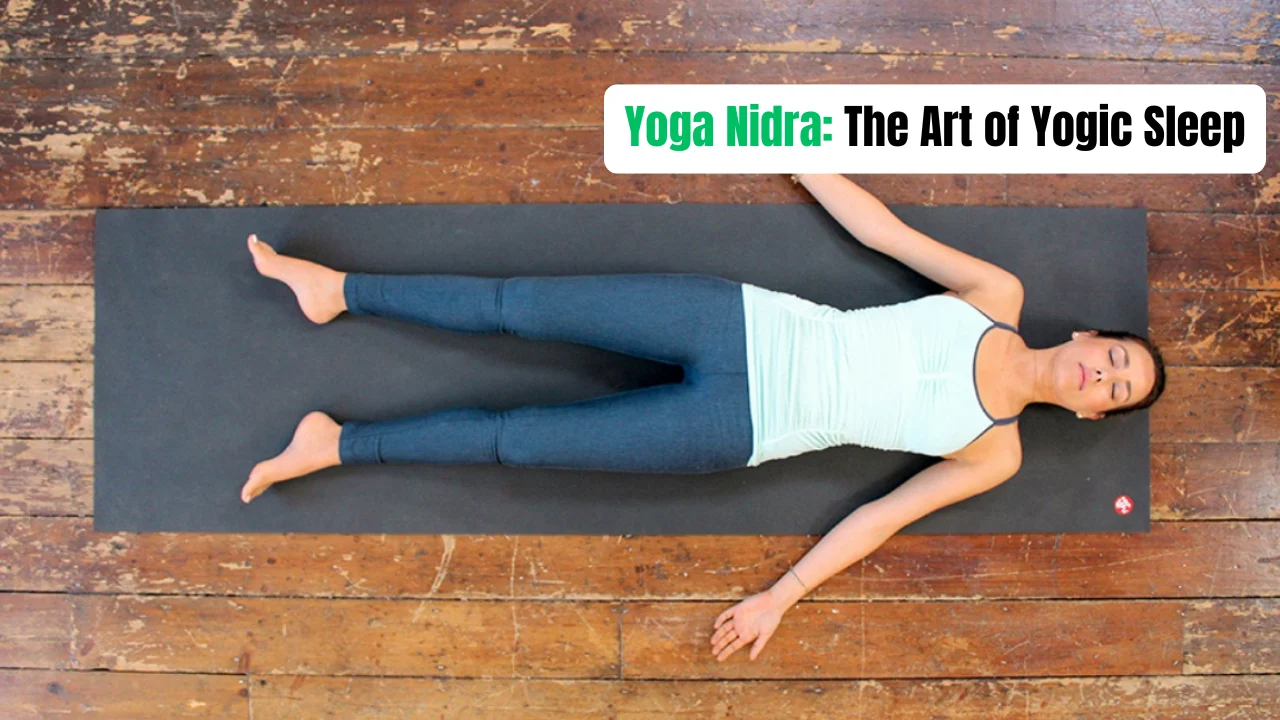
Yoga Nidra is often called yogic sleep. It uses a guided method to help the body relax completely. The term comes from Sanskrit, where yoga means union and nidra means sleep. But it is not ordinary sleep. During Yoga Nidra, the body rests as if sleeping, but awareness does not drop. This creates a special state where physical, mental and emotional tension reduces layer by layer. Many refer to this state as psychic sleep because it allows access to deeper areas of the mind.
Modern Yoga Nidra most commonly follows the method taught by Swami Satyananda Saraswati, who described it as a systematic approach to full relaxation. In this state, you become still, but not unconscious. You observe without effort. This makes it different from usual meditation even though both share similar benefits.
Benefits of Yoga Nidra
Yoga Nidra supports the body and mind in many ways. It reduces stress by activating the parasympathetic nervous system. This lowers stress hormones and helps the body recover. Many people report a strong sense of calm after each session.
Yoga Nidra also improves sleep quality. Research shows that almost half of adults face sleep problems, and this practice helps quiet the mind before bedtime. It relaxes the body deeply, making it easier to fall asleep and stay asleep.
On a deeper level, Yoga Nidra helps with spiritual growth. As you explore the subconscious mind, you start to connect with your inner self. This leads to better intuition, emotional clarity and personal growth. Many use the practice to understand their thoughts and patterns, and to create positive change.
Listicle: Key Benefits of Yoga Nidra
- Reduces stress and anxiety
- Supports deeper and more restful sleep
- Improves emotional balance
- Enhances focus and mental clarity
- Helps with self discovery and inner healing
The Science Behind Yogic Sleep
Modern research supports the benefits of Yoga Nidra. Studies show the practice increases alpha brainwaves, which are linked to relaxation, creativity and improved learning. The brain becomes more synchronized, which supports clearer thinking and higher well being.
Yoga Nidra also affects the autonomic nervous system. It reduces the fight or flight response and supports the rest and restore response. This helps the body recover from the effects of chronic stress. Some studies also show improved hormone balance, including better regulation of melatonin, which supports healthy sleep cycles.
How to Practice Yoga Nidra
Yoga Nidra follows a structured method. Most people use guided audio or listen to a teacher. The format below reflects the approach taught by Swami Satyananda.
Preparation
Preparation is the base of Yoga Nidra You begin by lying down in Savasana and allowing the body to settle naturally The goal is to create a space where the body feels supported and tension slowly fades away You may use a blanket pillow or bolster to keep yourself comfortable and relaxed.
As you adjust the posture notice how the body starts to release the weight into the ground The back shoulders and legs soften with every breath This comfort makes the mind ready to enter deeper levels of stillness and awareness.
The preparation phase is where outer comfort meets inner readiness It teaches the body to be quiet and still which prepares the mind for conscious relaxation.
Initial Relaxation
Initial relaxation helps bridge the active body and the calm mind You begin with a slow body scan feeling each part release tension layer by layer The process slows the mind and prepares it for inward focus.
Keeping the body still is important It teaches awareness through observation not effort The stillness turns into calm energy that allows the nervous system to rest naturally.
This phase feels gentle and grounding It signals the shift from daily activity toward deep internal balance.
Sankalpa
Sankalpa is a simple positive resolve that shapes intention It acts as a seed planted in the relaxed and receptive mind You repeat it mentally with quiet conviction three times at the start.
It could be a phrase that inspires change or growth The repetition builds a subtle direction that influences behavior and thought patterns over time.
This stage connects willpower with consciousness It reminds you that transformation begins with clarity of purpose.
Rotation of Consciousness
Rotation of consciousness brings awareness through each body part in a flowing sequence The attention moves like light touching head arms torso legs and toes without physical movement.
This practice helps build neural relaxation and mental clarity Each point of focus brings a sense of connection and stillness to the body and mind.
The process balances both hemispheres of the brain and develops deep inner awareness It feels like a peaceful journey through your own body.
Breath Awareness
Breath awareness deepens relaxation by connecting mind and body naturally You observe the rhythm of breath at the navel or nostrils without changing it The movement becomes a gentle anchor for awareness.
This stage develops calm focus The breath moves smoothly while thoughts fade into the background Awareness becomes steady and quiet.
The simplicity of observing the breath helps release tension and improve emotional stability.
Feelings and Sensations
In this phase you notice sensations like heaviness lightness warmth or coolness without reaction These experiences arise naturally and fade as awareness deepens.
It helps release stored emotional tension and connects you with inner stillness The body feels balanced and grounded as you simply observe sensations flow through.
This awareness improves emotional understanding and teaches the art of acceptance without judgment.
Visualization
Visualization engages the creative mind to deepen relaxation You imagine peaceful scenes symbols or natural images like stars ocean or moon.
The mental imagery relaxes the subconscious and creates a sense of safety and harmony It transforms inner energy and brings clarity to thought and feeling.
Practicing visualization regularly can improve focus creativity and emotional healing.
Repeat Sankalpa
At this stage the mind is open quiet and receptive You repeat the same Sankalpa again with faith and feeling allowing it to sink deeper into awareness.
The repetition after relaxation strengthens the imprint of intention It becomes part of subconscious patterns shaping new habits and focus.
Repeating Sankalpa in this state connects thought and experience forming inner alignment and stability.
Externalization
Externalization gently brings awareness back to the body and environment You begin to feel fingers toes and surroundings as you shift from inner stillness to outer awareness.
This stage ensures a smooth transition without breaking the calm energy gained during practice It helps you stay balanced and refreshed as you return to normal activity.
You open the eyes slowly with gratitude feeling rested and centered.
Adding Yoga Nidra to Daily Life
Yoga Nidra fits easily into any routine Morning sessions bring clarity and focus Daytime sessions release stress Evening sessions promote sleep and recovery
Regular practice keeps the mind balanced and the body recharged even with short sessions of fifteen to twenty minutes The restfulness feels equal to hours of normal sleep
Yoga Nidra becomes more effective when practiced consistently at the same time each day making it a natural part of well being
Adding Yoga Nidra to Daily Life
Yoga Nidra can be done at home or at work. It fits easily into a daily routine. Morning sessions bring clarity. Daytime sessions help reduce stress. Evening sessions support sleep. A short session of 15 to 20 minutes can feel as refreshing as hours of normal rest.
Tips for a Better Practice
- Practice regularly for best results
- Choose a time when you can stay awake
- Try different guided recordings
- Be patient with yourself
- Create a calm environment
Final Thoughts
Yoga Nidra is a powerful and accessible practice. It helps reduce stress, improves sleep and supports emotional and spiritual growth. Whether you want to relax, find clarity or connect with yourself, Yoga Nidra offers a simple path. With consistent practice, it becomes a tool for peace, balance and inner strength.